In my final column of the year, I want to extend my gratitude to all ACCC Program Members who participated in the 42nd National Oncology Conference in October in Denver, Colorado. Your unwavering commitment to learning, sharing, and problem-solving ways to improve the delivery of high-quality, equitable cancer care in the midst of institutional challenges is inspiring and heartening to witness.
As cancer care continues to evolve, so too must our commitment to meeting the needs of both patients and providers with foresight, compassion, and innovation. In this issue, we highlight programs that are not only responding to clinical challenges but also reimagining what it means to deliver whole-person care.
With cancer treatments increasingly accompanied by cardiovascular complications, cardio-oncology has emerged to address these risks. This month, Oncology Issues explores the vital and evolving role of pharmacists in cardio-oncology clinics, highlighting their expertise in managing drug interactions, assessing cardiotoxicity risk, and improving patient outcomes through interdisciplinary care and education.
We also spotlight the Missouri Lung Cancer Coalition’s multisector initiative to reduce radon exposure—a leading cause of lung cancer in non-smokers—through education, community outreach, and policy advocacy.
Another feature article evaluates the dual surgeon approach to bilateral mastectomy, demonstrating that it significantly reduces operative time and increases surgical productivity compared to a modeled single surgeon method.
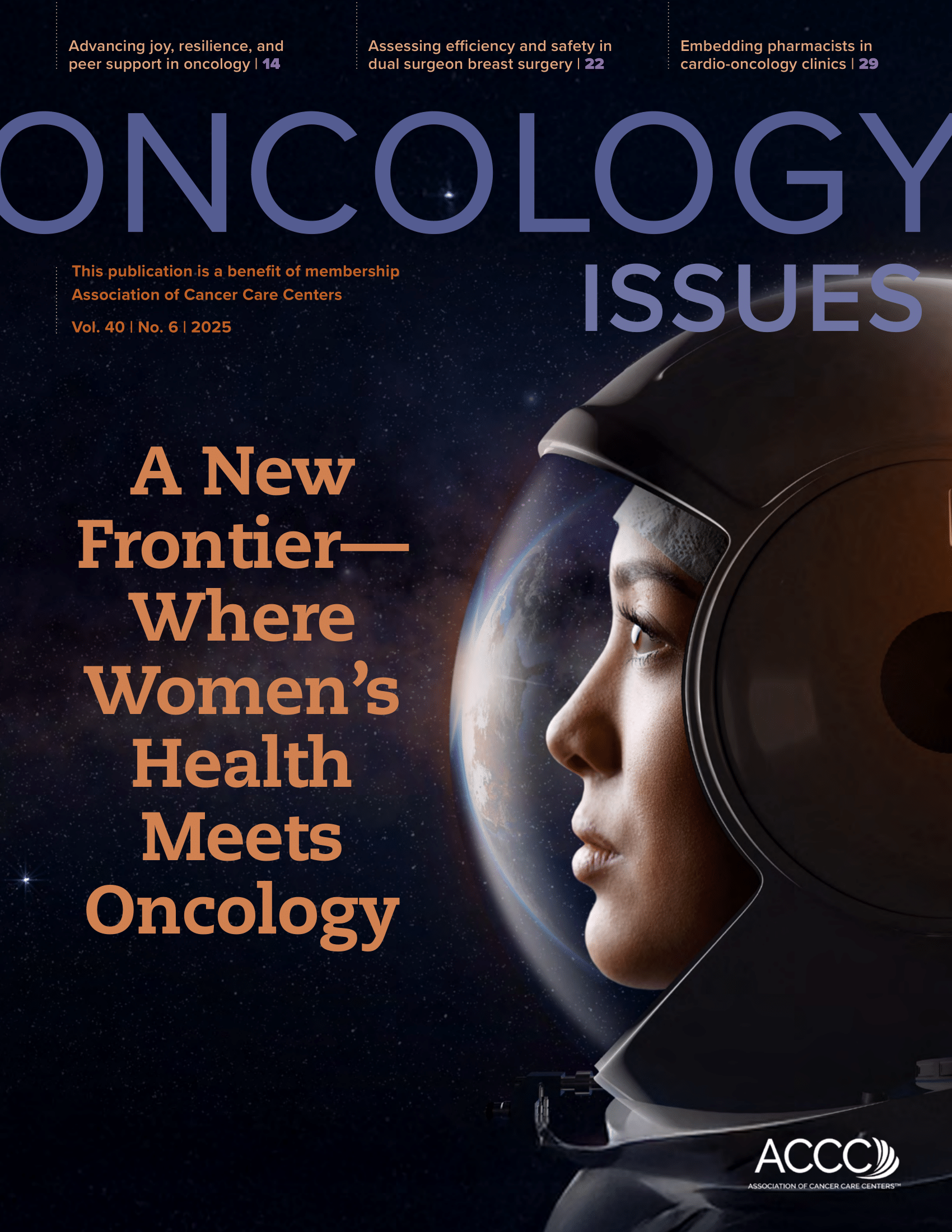
As cancer rates rise among women aged 50 and younger, integrating women’s health and oncology is imperative. This month’s cover story advocates for lifecycle-based, patient-centered care models spanning prevention to survivorship and highlights strategic levers for developing comprehensive programs that improve outcomes, enhance operational efficiency, and foster innovation. Attention to shared infrastructure, multidisciplinary collaboration, and coordinated care pathways can redefine the patient experience and set a new standard for women’s oncology care.
As ever, oncology providers’ well-being is top of mind, especially as burnout rates continue to climb. To that end, Advocate Health has developed a comprehensive approach to clinician well-being through initiatives such as the Best Place to Care, Together As One, and Code Lavender programs. By fostering psychological safety, compassion, and systemic efficiency, these efforts aim to reduce burnout, enhance resilience, and build a culture where caregivers are supported and empowered.
Taken together, these articles offer a compelling vision for the future of oncology. They remind us that innovation is not just about new tools or treatments, but about creating environments where patients feel safe, supported, and seen, and where providers are empowered to do their best work. As we face rising cancer rates, growing workforce demands, and persistent disparities, the path forward lies in collaboration, compassion, and a deep understanding of the human experience behind every diagnosis. Let us continue to build systems that reflect the dignity of those who walk through our doors—and the resilience of those who stand beside them.







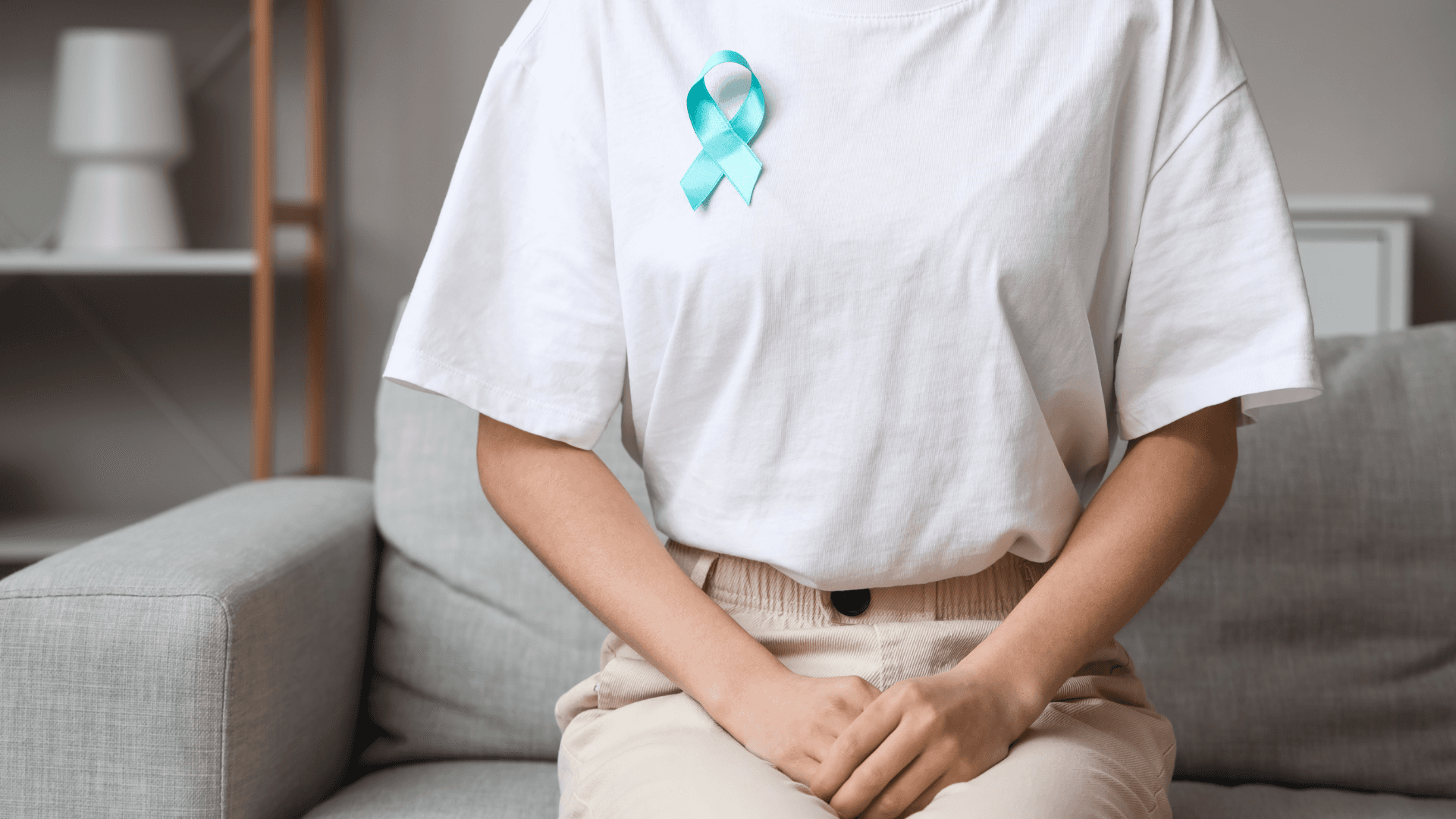
An at-home option for cervical cancer screening breaks down barriers to care and offers the same level of precision as screening in the clinic.