
To help members of the cancer care team better manage stress and improve their overall well-being, ACCC 2021-22 President Krista Nelson—and several special guests—hosted a virtual Mindfulness Meditation series. Through meditation, we cultivate an awareness of the present moment and train the mind to better understand how and why we think and feel the way we do.
Burnout is on the rise as oncology becomes increasingly complex with new treatment options, growing financial toxicity, an aging patient population, and an increasingly burdensome healthcare system. It has received much media attention, with some calling it an epidemic.
Thomas A. Gallo, MS, MDA, ACCC President, selected his 2018–2019 president’s theme: Reflect, Renew, Reignite: Creating a Resilient Oncology Team in Your Community, in order to shed light on the pain points that frustrate physicians, nurses, social workers, administrators, pharmacists, and all of the other professionals who collaborate to provide the highest level of patient care.
The ACCC 35th National Oncology Conference, October 17 – 19, in Phoenix, AZ, featured stories and strategies for fostering resilience and a healthcare culture that mitigates burnout among all members of the cancer care team. Three featured speakers inspired while providing practical strategies to help increase engagement, transform your work culture, and embrace experimentation.

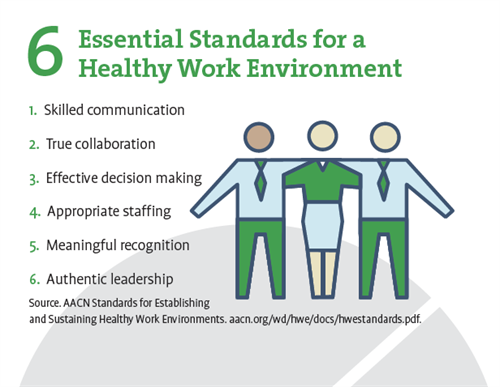
ACCC is committed to identifying shared strategies and solutions to help combat the burnout and frustration that many of its members experience. This Building a Resilient Oncology Team: Issues and Solutions infographic details key findings on clinician burnout and a bevy of solutions to help you mitigate stress and bring the joy back to your workplace.
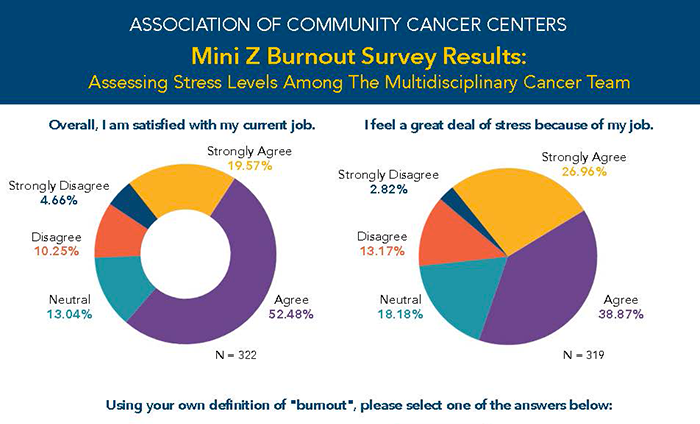
To gauge the level of burnout in the multidisciplinary cancer care team, ACCC surveyed its membership in 2019 using the clinically validated Mini Z survey developed by the American Medical Association. While only a small number of respondents (14.9%) report dissatisfaction with their current job, burnout and stress levels are significant.

Discover highlights from the Oncology Practice Transformation and Integration Center preconference at #AMCCBS.

ACCCBuzz engaged in a discussion Josiah Allen, PharmD, a clinical pharmacogenomic pharmacist and Jake Barnes, an IS application manager, both from St. Elizabeth Healthcare in Kentucky, focused on the obstacles encountered in integrating a biomarker testing add-on module in their EHR.
Explore key takeaways from a meeting between ACCC, Inova Schar Cancer Institute, and delegates from the Swedish Ministry of Health and Social Affairs.
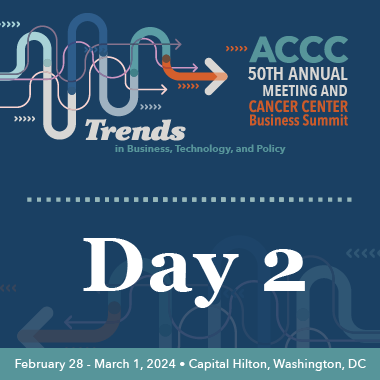
Highlights from the second day of the ACCC 50th Annual Meeting & Cancer Center Business Summit (#AMCCBS).

ACCCBuzz spoke with the co-directors of a precision medicine Initiative at the Sidney Kimmel Cancer Center at Jefferson Health in Philadelphia, Pennsylvania about their work in building a team to champion EHR integration to support precision medicine.
Introducing a brand new podcast from ACCC: Oncology Unscripted. In this inaugural episode, hosts Mark Liu and Deirdre Saulet lay out what listeners can expect from the show, including unfiltered, honest dialogue about the state of cancer care today, the most pressing challenges providers are facing, and how they can move forward with hope amid unpredictable headwinds. Liu and Saulet will approach a variety of topics, from operational to financial to clinical, as they explore how providers can help one another, continue to hold important conversations, and act as agents of change in oncology.
Una Hopkins, DNP, MSN, FNP-BC, NE-BC, RN, FACCC, president of the Association of Cancer Care Centers (ACCC) designated her theme for the 2025-2026 year as Designing Oncology Care to Meet the Needs of a Growing Patient Population in response to forecasts predicting both patient and survivor populations will grow in coming years. In this episode, CANCER BUZZ speaks with Dr. Hopkins about the importance of peer-to-peer mentorship in workforce development and empowerment, particularly for nurses, and why retired nurses are well-equipped to provide this mentorship.

Lehigh Valley Hospital in Allentown, Pa., successfully developed a cardio-oncology program designed to implement best practices and guideline-based care, which resulted in an average growth in patient volume of 50 percent per year.

In the dynamic, everchanging world of oncology, developing the strength of the multidisciplinary care team is paramount.
In this episode, CANCER BUZZ speaks with Susan Salgado, PhD, keynote speaker at the upcoming 42nd National Oncology Conference, about her approach to organizational culture and leadership. With over 2 decades of experience in consulting spanning more than 20 industries, Dr. Salgado is adept at transferring hospitality skills to the field of health care. She discusses the importance of zeroing in on the employee experience first, and the downstream impacts this has on the patient or customer experience, as well as the key role leadership plays in reinforcing a human-centered culture.
Hear from ACCC 2021-2022 President, Krista Nelson, MSW, LCSW, OSW-C, FAOSW, as she talks about two new resources (a business case brief for hiring and a benchmarking survey) coming from ACCC that demonstrate the value oncology social workers play in cancer care.
In this special podcast episode, we talk with oncology social worker and ACCC President Krista Nelson, MSW, LCSW, OSW-C, FAOSW, about finding opportunities to practice gratitude each day for colleagues and patients.
Early in the pandemic, members of the Stanford Health Care Radiation Oncology Department created an internal podcast for their department to creatively address the need for connections among onsite and remote staff, acknowledge the emotional and psychological toll of caring for patients during this challenging time, and support the well-being and mental health for oncology staff.

In my breakout session at the 37th ACCC [Virtual] National Oncology Conference, held Sept. 14-18, 2020, I shared that mentorship is often the missing link to facing these staffing challenges.

Learn the 10 feasible and impactful “how-tos” Summit participants identified within three domains—care coordination and communication, clinical trials, and acknowledging and mitigating implicit bias.

Learn how the creation of the first advanced practice radiation therapist role in the United States helped Mount Sinai establish a new model of inpatient care by elevating the radiation therapy skill set.
