ACCC is leading the way in transforming oncology practice management and operations resources that connect real-world challenges with real-world solutions.
Oncology programs and practices must keep pace with clinical and technological advancements in the diagnosis, staging, and treatment of cancer. As the healthcare landscape continues to rapidly evolve, management and operations acumen is critical to sustaining the delivery of quality cancer care. However, incorporating the latest therapies and diagnostics into cancer programs can be challenging, especially for communities that lack funding for training and new tools. In addition, many factors, such as size, structure, location, scope of services, staffing, patient populations, and payer mix, can impact the management and operations of cancer programs and practices.
To help address these issues, ACCC has created a comprehensive resource library and facilitated peer-to-peer learning opportunities to provide the training and education that new cancer treatment options often require. In addition, ACCC offers solutions to other oncology practice challenges such as, orienting new-to-oncology staff with a 360-degree view of cancer program fundamentals, making a business care for hiring new staff, strategies for building staff resilience and well-being, integrating telehealth into practice, understanding evolving payment models, and more.
Tumor boards, also known as multidisciplinary cancer conferences, provide prospective patient case review and assure quality of care evaluation related to diagnosis, treatment, symptom management, follow-up, prehabilitation and/or rehabilitation, and supportive care. Discussion includes, but is not limited to, sharing of expert clinical opinions and treatment recommendations; treatment decision made by attending physician and patient; and opportunities for clinical trial participation.
Burnout is on the rise as oncology becomes increasingly complex with new treatment options, growing financial toxicity, an aging patient population, and an increasingly burdensome healthcare system. ACCC is committed to identifying shared strategies and solutions to help combat the burnout and frustration that many of its members experience.
Download these discipline-specific business briefs to learn how to justify the hiring of critical cancer care staff members, such as oncology social workers, oncology pharmacists, registered dietitian nutritionists, board certified genetic counselors, financial navigators, and oncology psychologists.
The loosening of restrictions and policies during the COVID-19 pandemic has allowed for the rapid implementation of telehealth and telemedicine into cancer care. Through interviews and focus groups, ACCC continues to document how the growing need for telehealth services has impacted oncological care.
The role of the patient navigator continues to evolve in tandem with the healthcare landscape’s emphasis on patient-centered, efficient, coordinated care.
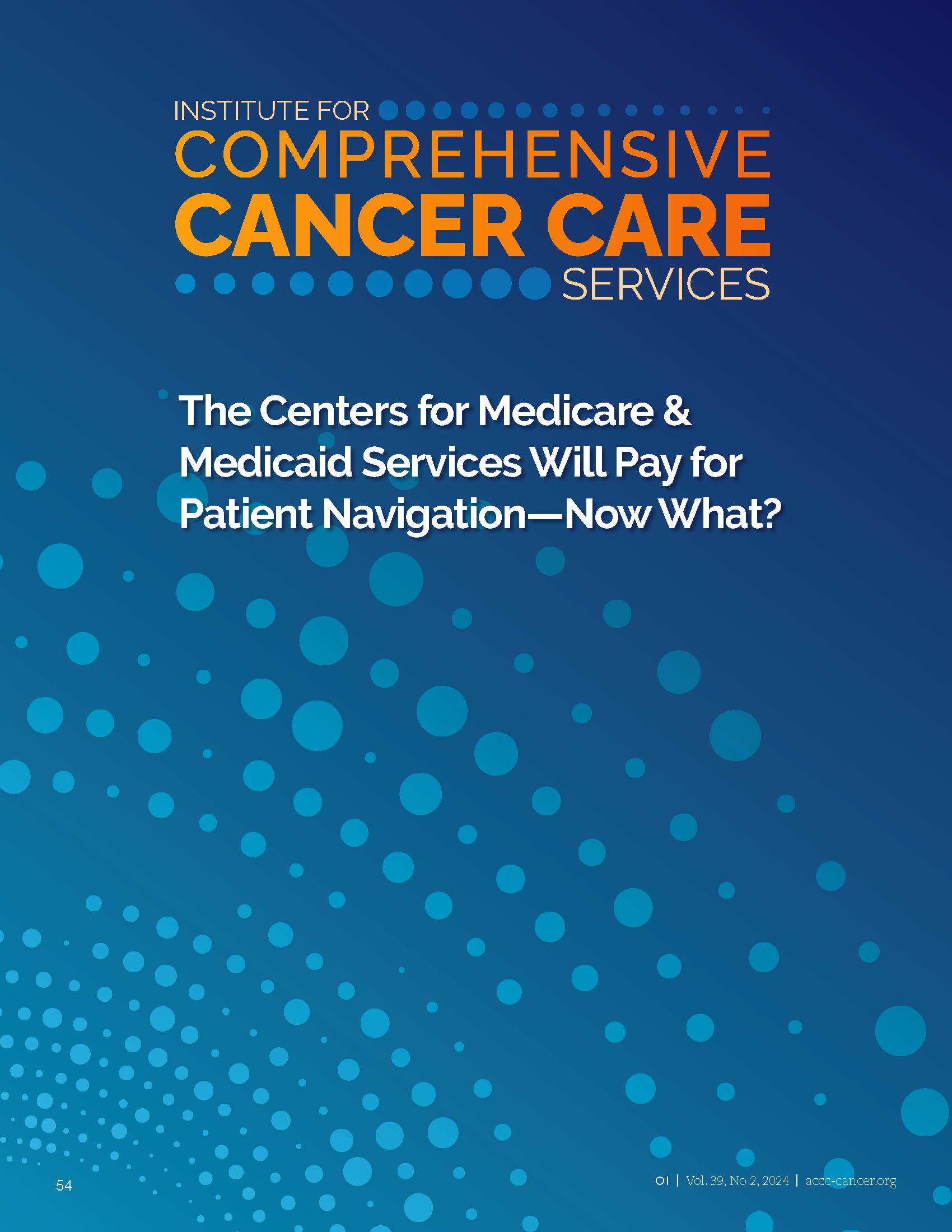
Following decades of research demonstrating the efficacy of patient navigation on clinical and patient-reported outcomes, the Centers for Medicare & Medicaid Services (CMS) issued a final rule that pays for patient navigation and navigation-related services effective January 1, 2024. Review a description of the codes, how to use them, who can perform services, and next steps for the field.
The ACCC Alternative Payment Model (APM) Coalition builds on the success of the Oncology Care Model (OCM) Collaborative by helping oncology programs navigate the evolving landscape of value-based care. This two-part webinar series explores the future of alternative payment models, lessons learned from the Oncology Care Model, emerging value-based payment approaches, and Medicare Advantage and Medicaid updates impacting oncology practice operations.
This online meditation series can help manage stress levels and improve your social, emotional, physical, and mental health. Through meditation, we cultivate an awareness of the present moment and train the mind to better understand how and why we think and feel the way we do.
Peer-developed, foundational information on the basic areas encompassed in the development of a cancer program, including Oncology Services, Comprehensive Care, Survivorship, Community Engagement, and more.

In a recent conversation with ACCC, DiMe Associate Program Director Ian Miller discussed what responsible AI adoption looks like in practice, particularly for organizations early in their AI journey and seeking clearer guidance on how to evaluate, prioritize, and implement these tools.

A recent discussion between ACCC and Highlands Oncology centered on how artificial intelligence can be implemented thoughtfully in cancer care to support clinicians and operations without compromising clinical judgement or patient care.
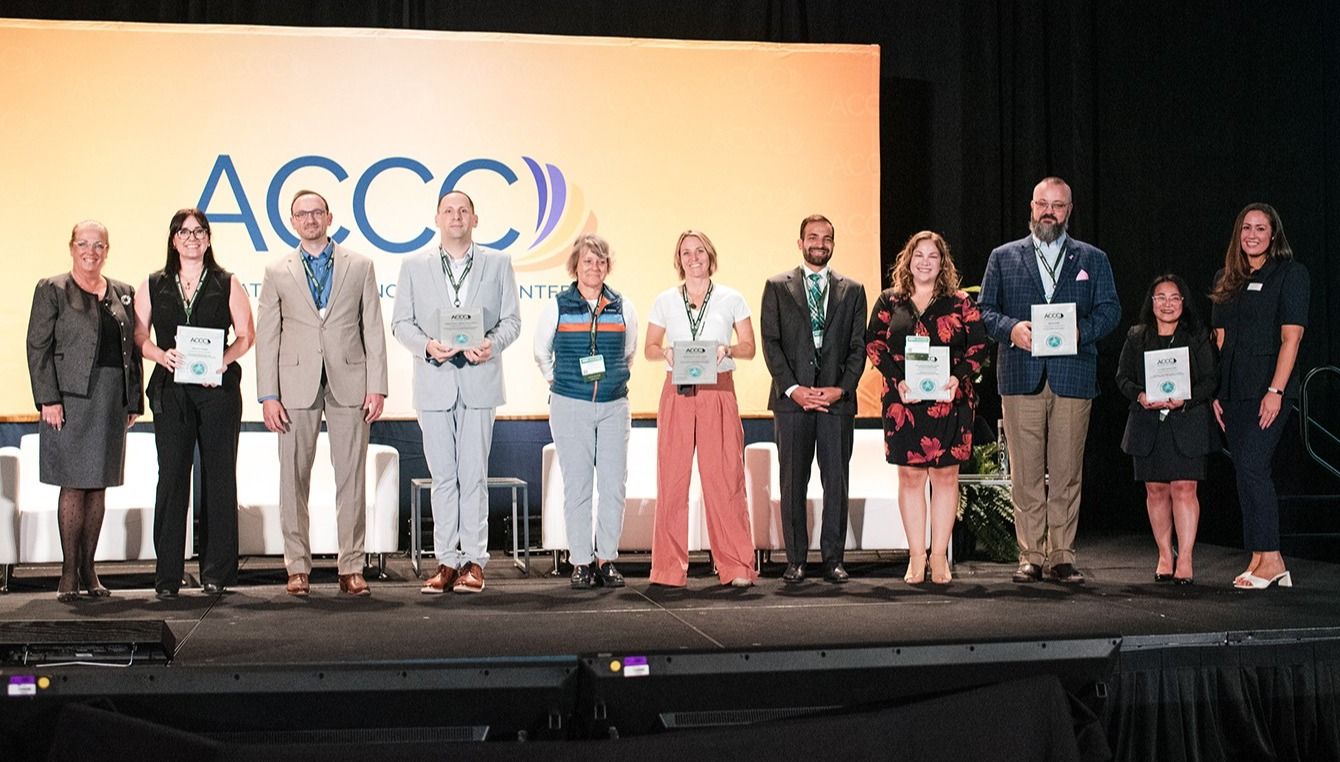
The newest Oncology Issues is here, opening the year with a spotlight on the six 2025 ACCC Innovators: Fox Chase Cancer Center, Lifepoint Health, Penn Medicine Princeton Health, WellSpan Cancer Institute, Highlands Oncology, and Shaw Cancer Center.

The August 2025 edition of Oncology Issues contains 8 feature articles covering the full spectrum of cancer care, from financial health to mental well-being support for providers.
Introducing a brand new podcast from ACCC: Oncology Unscripted. In this inaugural episode, hosts Mark Liu and Deirdre Saulet lay out what listeners can expect from the show, including unfiltered, honest dialogue about the state of cancer care today, the most pressing challenges providers are facing, and how they can move forward with hope amid unpredictable headwinds. Liu and Saulet will approach a variety of topics, from operational to financial to clinical, as they explore how providers can help one another, continue to hold important conversations, and act as agents of change in oncology.
Una Hopkins, DNP, MSN, FNP-BC, NE-BC, RN, FACCC, president of the Association of Cancer Care Centers (ACCC) designated her theme for the 2025-2026 year as Designing Oncology Care to Meet the Needs of a Growing Patient Population in response to forecasts predicting both patient and survivor populations will grow in coming years. In this episode, CANCER BUZZ speaks with Dr. Hopkins about the importance of peer-to-peer mentorship in workforce development and empowerment, particularly for nurses, and why retired nurses are well-equipped to provide this mentorship.
In this episode, CANCER BUZZ speaks with Susan Salgado, PhD, keynote speaker at the upcoming 42nd National Oncology Conference, about her approach to organizational culture and leadership. With over 2 decades of experience in consulting spanning more than 20 industries, Dr. Salgado is adept at transferring hospitality skills to the field of health care. She discusses the importance of zeroing in on the employee experience first, and the downstream impacts this has on the patient or customer experience, as well as the key role leadership plays in reinforcing a human-centered culture.
Health technology performance and integration of electronic health record (EHR) systems have become critical factors in conducting efficient and equitable biomarker testing at cancer programs nationwide.. Listen in as CancerBuzz speaks to Karen Huelsman, MS, LGC, precision oncology lead and genetic counselor at TriHealth Cancer and Blood Institute, about key takeaways and insights from the Working Summit.
Genetic counselors—as members of the cancer care team—can help patients better understand their cancer diagnosis, make informed treatment decisions, and navigate the financial costs of testing.
In this episode, we talk with an experienced cancer center information technology (IT) professional about how the role of the IT professional in quality, patient-centered cancer care delivery and what lies ahead.

Lehigh Valley Hospital in Allentown, Pa., successfully developed a cardio-oncology program designed to implement best practices and guideline-based care, which resulted in an average growth in patient volume of 50 percent per year.

Highlands Oncology Group took key steps toward implementing an ePRO platform aimed at reducing emergency department utilization and unplanned hospitalization, while improving the patient’s quality of life.