Learn how multidisciplinary care coordination and timely diagnosis are critical in the health outcomes of patients with SCLC.




Many patients with SCLC face a high symptom burden, poor prognosis, and adherence challenges due to treatment-related adverse events, stigmatization, and emotional distress. Multidisciplinary care coordination and timely diagnosis are critical in the health outcomes of patients with SCLC. CANCER BUZZ spoke to Gustavo Cumbo-Nacheli, MD, Interventional Pulmonologist and Critical Care Medicine and Pulmonary Medicine Physician at Spectrum Health in Grand Rapids, MI. Hear how care coordination through a multidisciplinary team can improve patient experience and health outcomes.
Guest

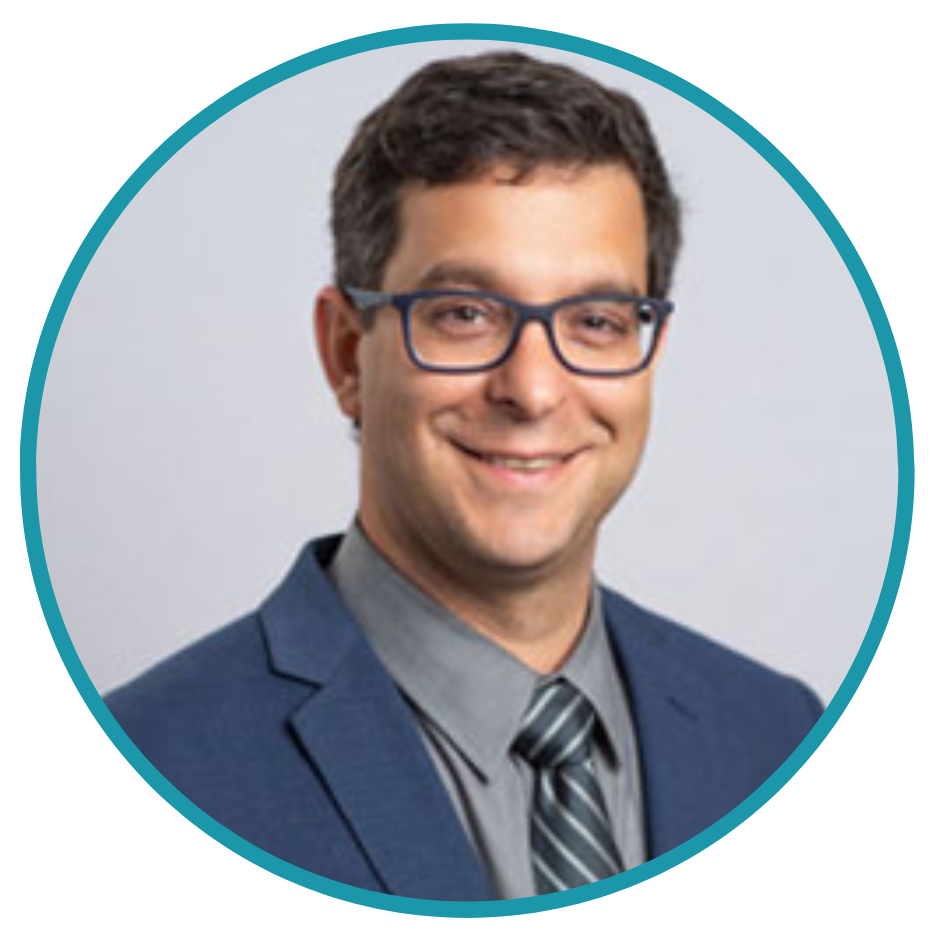
Gustavo Cumbo-Nacheli, MD
Interventional Pulmonologist
Critical Care Medicine and Pulmonary Medicine Physician
Spectrum Health
Grand Rapids, MI
“We have a pledge in my local system to have enough resources that every new referral should be seen within a 2-week timeframe in order for the patient to not have to sit at home anxious, not knowing what is going on.”
– Gustavo Cumbo-Nacheli, MD
Resources:
CANCER BUZZ: Welcome back to CANCER BUZZ TV. I'm your host, Summer Johnson. Today we're looking at the challenge of providing high quality care to patients with small cell lung cancer. Small cell lung cancer is very aggressive and must be treated quickly, but by the time of diagnosis, it is rarely curable. Patients also face a high symptom burden and may have multiple barriers such as health disparities. The good news is multidisciplinary care coordination can improve quality of life for some of these patients. Here today to talk about it is Dr. Gustavo Cumbo-Nacheli. He's an interventional pulmonologist at Spectrum Health in Grand Rapids, Michigan.
Nice to have you here, Dr. Cumbo-Nacheli. Can you explain how your practice ensures patients receive quality care?
Gustavo Cumbo-Nacheli, MD: We strongly believe in collective intelligence as part of providing the patient with the best care they need. Therefore, we allocated massive resources in order to be able to interact with other doctors of other disciplines, namely radiation oncology and experts on oncology and surgeons to discuss every single case that needs to be discussed in-person in synchronic forum that we discussed, presentation, diagnosis, staging, and suggested treatments; everything happens very fast and everything happens comprehensively.
CANCER BUZZ: How does your team make sure patients receive timely diagnoses?
Gustavo Cumbo-Nacheli, MD: Thank you. We have a group of expert nurses that screen patient referrals, and then these referrals are shown to a healthcare provider that is an expert in radiological findings and also laboratory findings. And every time that we get a referral, a doctor takes a look at the case and makes sure that this patient needs to be seen immediately within 24 hours urgently within the next 48 to 72 or routine next available. We have the pledge in my local system to have enough resources that every new referral should be seen within a two-week frame in order for the patient not to have to sit down, anxious at home, not knowing what's going on. Therefore, we have protected time in our schedules in order to be able to answer a phone call from a nurse saying, “There's something that looks like small cell, can you please take a look? Open up one hour in the schedule?” And I can tell you that more often than not that happens.
CANCER BUZZ: How has the lung multi-specialty team clinic impacted patient care?
Gustavo Cumbo-Nacheli, MD: Thank you. Dr. Conci is our medical director, and Loril Garrett is our manager. And what they have built has been a schedule and templates in order to secure physician presence in order to be there pretty much Monday through Friday, full office hours. Therefore, we have a little bit of flexibility to pull some other resources. And as part of, of the quality metrics that are analyzed very frequently by the leadership of the cancer center, we see where the blind spots are. And if physician availability starts becoming a question and we realize that maybe we're starting to see in the future a backlog, then all hands-on deck and using very detailed quality data, we can justify the ask for more physician availability.
So everything is as part of an ongoing quality improve improvement process in order for the patient to have the best experience possible. And I'm glad to say that we're excelling at this.
CANCER BUZZ: Can you explain the ‘six pillars of collaboration’?
Gustavo Cumbo-Nacheli, MD: Well, whenever you talk about the six pillars of collaboration in a multidisciplinary team, essentially it's a concept. It's a concept of everybody bringing to the table what we know.
It's a concept about collective intelligence. It's a concept of using best technology available, and it's a concept also of ironing out any wrinkles on the patient experience. So therefore, whenever we talk about pillars of collaboration, it's essentially making sure that we have the resources available to making a patient quality experience second to none. It's been able to track down the outcomes and also the downsides of the care complication, extended length of stay, and also when it comes down to adverse effects, and more importantly, making sure that the cost of the care is responsible in order to make healthcare sustainable in the long term.
Therefore, when we talk about pillars of anything, it's a foundation which is effective communication, best technology available, tracking down quality metrics, and be very mindful that at the end, in the other end, there's a patient that is suffering and make sure we roll out a red carpet and they know that they're not alone in the journey.
CANCER BUZZ: What makes you so passionate about this work?
Gustavo Cumbo-Nacheli, MD: I had cancer, and I was a patient when I was very young and somebody thinking outside of the box saved my life. So for me to wake up and pay it forward is really the driver reason for me to have become a physician and an expert in interventional pulmonology and pneumo-oncology. So not only I hate cancer with every fiber of my body, but also I build multiple service lines around how to detect cancer early, collaborate with our surgeons and radiation oncologists and oncologists to provide top shelf care and with industry leaders in order to have the resources to continue doing prospective work that is meaningful, impactful, and applicable at the community and at a large scale. So therefore, my profound dislike for all sorts of cancer, particularly lung, and might need to find a cure, so nobody has to go through the journey of diagnosis and treatment of what at the present time is a natural killer.
It's enough reason to wake, wake up very early and go to bed really late.
CANCER BUZZ: Thank you, Dr. Cumbo-Nacheli. You could check out the show notes for more resources on treating patients with small cell lung cancer. Today's episode was made possible by funding through AstraZeneca and G1 Therapeutics. On behalf of all of us here at CANCER BUZZ TV, thank you for watching. I'm Summer Johnson.
The views and opinions expressed herein are those of the author(s)/faculty member(s) and do not reflect the official policy or position of their employer(s) or the Association of Cancer Care Centers.