Bispecific antibodies (BsAbs) continue to garner the interest of both academic and community cancer centers due to their rapid growth in FDA approvals and increasing use in hematologic malignancies and solid tumors. However, practical considerations such as treatment-related toxicities, choosing the right delivery model, and staffing constraints deter many programs from attempting to implement BsAbs.
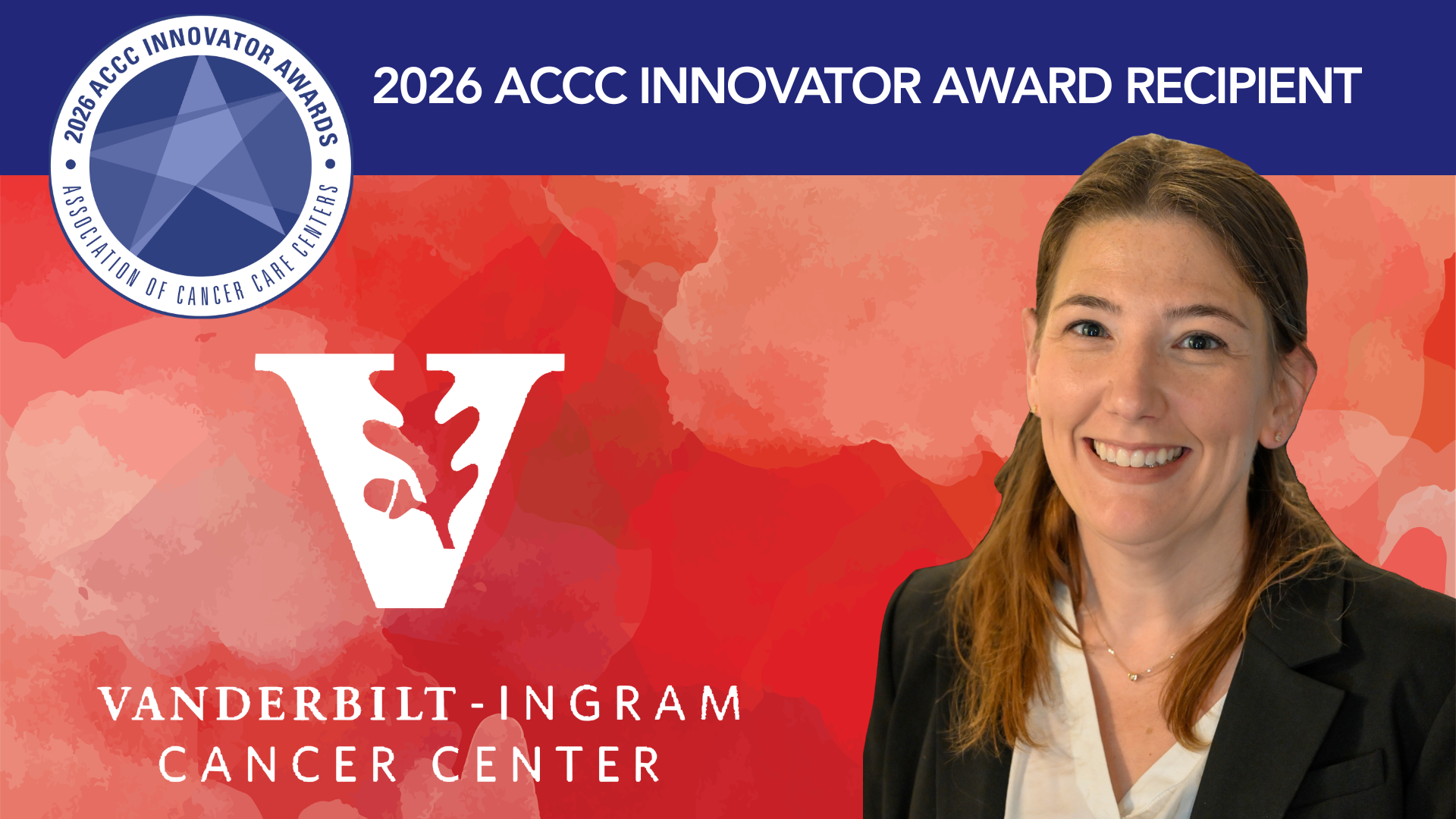
In this episode, CANCER BUZZ speaks with 2026 ACCC Innovator Award winner Kate Kennedy, MSN, APRN, ACNP-BC, AOCNP, an Outpatient Hematology Advanced Practice Provider (APP) Team Lead at Vanderbilt-Ingram Cancer Center, about her program’s APP-led BsAb step-up dosing clinic. With APPs at the helm, this model enables efficient and specialty-expert management of therapies while optimizing physician resources. In addition, its adherence to step-up dosing protocols prioritizes patient safety and convenience while reducing inpatient resource utilization.
“[It’s important to look] at what you need to spend money on, [make] sure that you're spending money on the right things, and then [look] for areas like space and staff that maybe have capacity that you can utilize in a little bit of a different way to deliver this care.” – Kathryn Kennedy, MSN, APRN, ACNP-BC, AOCNP
Guest:

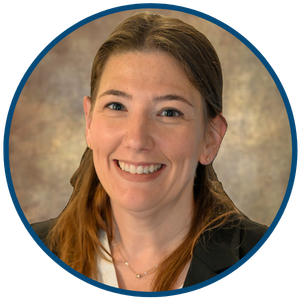
Kathryn Kennedy, MSN, APRN, ACNP-BC, AOCNP
Outpatient Hematology APP Team Lead
Vanderbilt-Ingram Cancer Center
Nashville, Tennessee
Resources:
The views and opinions expressed herein are those of the author(s)/faculty member(s) and do not reflect the official policy or position of their employer(s) or the Association of Cancer Care Centers.
September 10, 2026








An at-home option for cervical cancer screening breaks down barriers to care and offers the same level of precision as screening in the clinic.