Baptist Health South Florida, Miami Cancer Institute in Florida turned to technology to provide high-quality cancer care without having to dip deeper into its operating budget.
Find the CANCER BUZZ podcast on Apple Podcasts, Spotify, or wherever you get your podcasts!
It’s common for cancer programs and practices to struggle with timely treatment education, consent gathering, and adherence tracking, especially when an oral oncolytic is prescribed. These challenges are due in part to older solutions that are no longer benefiting all patients equally. To better address these concerns, Baptist Health South Florida, Miami Cancer Institute in Florida turned to technology solutions that were already being used by the health system and that were well understood by their healthcare teams and patients. By using these technologies and implementing existing staffing resources, Miami Cancer Institute staff are providing high-quality cancer care without having to dip deeper into its operating budget.
Guest:
Morgan Nestingen, MSN, APRN, AGCNS-BC, NEA-BC, OCN, ONN-CG
Director of Nursing Services, Patient Intake and Navigation
Baptist Health South Florida, Miami Cancer Institute

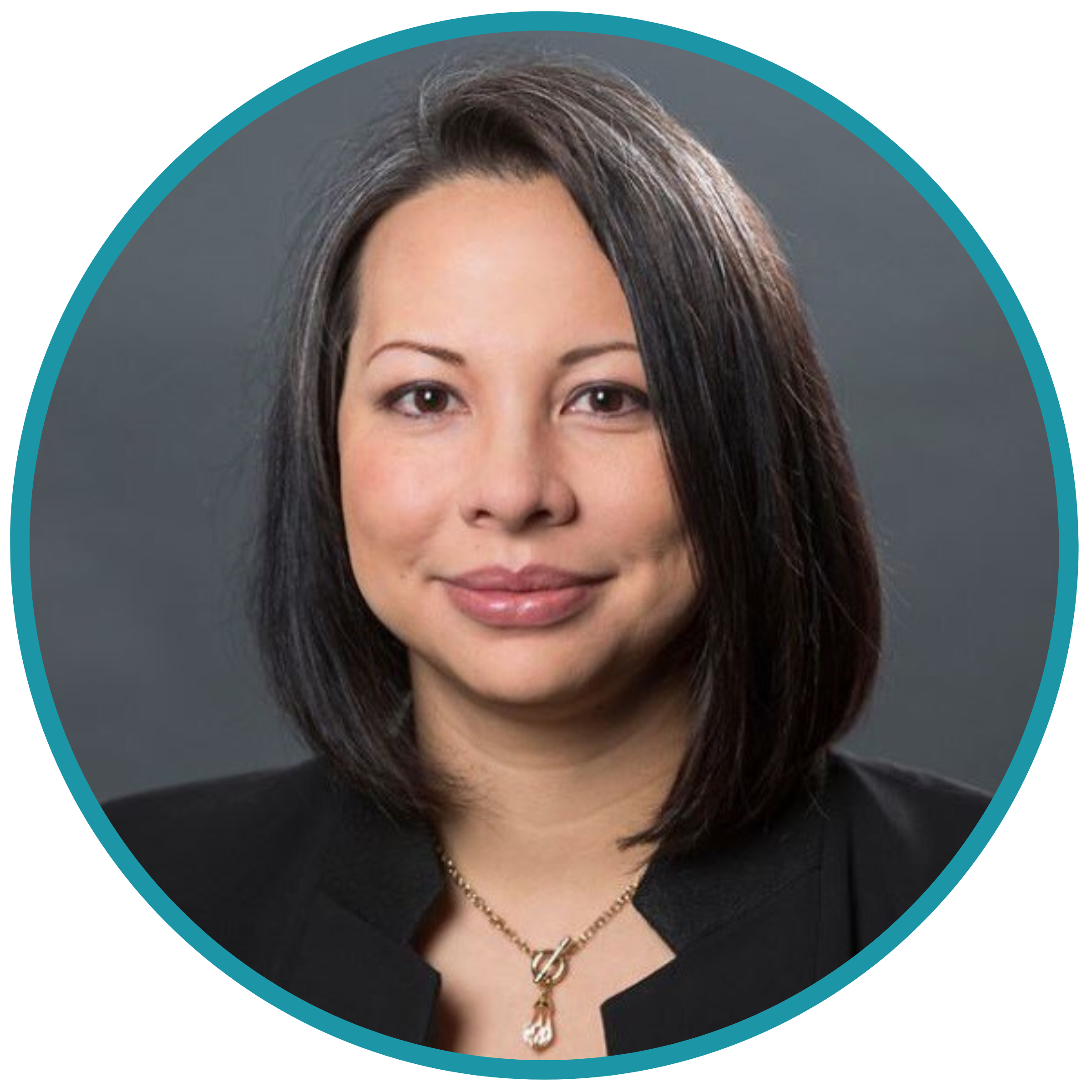
“There’s a sense of partnership across the teams that wasn’t necessarily there before...I know I have closer connections with the pharmacy team, the APP (advanced practice provider) team, and folks in informatics who helped us build reports to do this.”
Resources:
This podcast is part of a special series on the 2022 ACCC Innovator Award winners. For a deeper dive into this content, visit ACCC’s Innovator Award website.
CANCER BUZZ: Welcome back to CANCER BUZZ. I'm your host Summer Johnson. On today's mini episode, the use of technology to improve oral oncolytics education, consent gathering, and treatment compliance. Since 2011, the ACCC Innovator Awards have recognized ACCC member programs delivering cost-effective solutions to patient center care. This episode is part of a CANCER BUZZ series highlighting the 2022 winners.
Miami Cancer Institute at Baptist Health South Florida started a quality improvement initiative to address education and treatment compliance for patients prescribed an oral oncolytic. The result was an increase in education and consent gathering that jumped from 60% to 100%, with 90% occurring on the same day in oral oncolytics was prescribed. Morgan Nestingenis the Director of Nursing Services, Patient Intake and Navigation at Miami Cancer Institute.
Morgan Nestingen, MSN, APRN, AGCNS-BC, NEA-BC, OCN, ONN-CG: So challenges I'm sure they're the same challenges that everybody else faces. You know, clinics are busy. Oncology patients are in and out cancer care takes place in a, in a regular life, right? You still have to go back to work and do all of your things. So patient visits can be quite quick. You still need to have great education, great informed consent. Make sure you get the patient ready for treatment. The other thing is that this project fell into the COVID timeline, right? So patients often were virtual and that was a new challenge for us and was difficult to capture at times.
CANCER BUZZ: Morgan, how did this program come about?
Morgan Nestingen, MSN, APRN, AGCNS-BC, NEA-BC, OCN, ONN-CG: It came from a…just a review of auditing practices. We had looked at before periodically just looking at the quality of different departments and saying, how are we doing with this project? We had looked at education and consent prior, and our teams did an audit, they found that, you know, we had some room for improvement. We knew what we wanted to do. We just wanted to improve over our baseline and really kind of tighten up. The other thing is we knew that at any given time during COVID staff might suddenly be out. So, you had a clinic that might be doing beautifully on Tuesday and Wednesday morning, somebody reported symptoms and was out sick and all of a sudden we're understaffed in that clinic. How are we going to accommodate?
Plus half the visits are virtual now. So how are you going to do that? So that was really kind of the driving force behind workforce fluctuation changes in patient visits, but things that we knew we had to do as part of routine, great cancer care.
CANCER BUZZ: Can you tell us how the program works and how you move that through the patient experience?
Morgan Nestingen, MSN, APRN, AGCNS-BC, NEA-BC, OCN, ONN-CG: Sure. A couple of big changes that we made to this essentially were to involve on-call nursing support because we knew that anyone given clinic in our building might be short-staffed at any moment. So we used additional nursing forces elsewhere on the team. We use our nurse navigators as part of our on-call team. I want to caveat that and say, it's not their normal role, but they also are team players and, and have that competency to provide clinical education on the fly to patients. Because of that, we use them as an assistive on call support to be able to come in and help the other teams when needed.
We gave them a portable phone that they would answer and just pop over to that clinic, meet with the patient, make sure that everything is moving along well. And then the clinic team would take over the rest of the paperwork from there in the big scheme of things. Couple of the other major changes we did were remote consenting and education. We would use like a tele-health platform like Zoom or Doximity or something like that, and have a call with the patient, do the education over telehealth, and then provide an electronic signature option for them. And then one other thing, we used some shared documents stuff.
I mean, and shared technology is not that big of a deal in 2022, but adapting to using it well is so we use daily reporting to say, what new orders have been written? Have we accounted for all of them? Have we audit this and made sure that every single order was addressed that same day if humanly possible? And if not that we had some follow-up reason why and how we were going to resolve that.
CANCER BUZZ: How has this program impacting the cancer care team? Is it improving their workflow at all?
Morgan Nestingen, MSN, APRN, AGCNS-BC, NEA-BC, OCN, ONN-CG: It is. It's very helpful in a lot of clinics. And you know, there are times where like, we've all gotten better at dealing with the pandemic world. So we don't feel that same daily struggle in terms of staffing that we did at the beginning, especially when we didn't know how long to quarantine people. So that part has improved a little bit, but we still see staffing fluctuations, right? Someone leaves the role, someone goes on maternity. This clinic has somebody who's just sick that day, like regular old, normal sick, and those adaptations, the changes we made during this time period helped us adapt to those things as well.
And it can be really helpful in that environment when suddenly the whole clinic needs to pivot and still get the stuff done. In the context of patient visits,
CANCER BUZZ: You alluded a little bit to the pandemic. How has this program affected your daily work life and those of your team members?
Morgan Nestingen, MSN, APRN, AGCNS-BC, NEA-BC, OCN, ONN-CG: I don't know if I speak for everybody, but I'll speak for our group where I'm retired too. Right? I think everybody's a little tired. Everybody has been, you know, doing not necessarily extra work, but different work and accommodating and flexing and living with this new reality. And the bottom line is the new normal is tiring sometimes, right? It's the little things every day using the precautions, you know, changing your schedule to provide onsite coverage, making sure that everybody's taken care of, making sure that you're thinking of those things that are…we're not a pre-2019 reality in the world, right?
So I think there is a sense of partnership across the teams that wasn't necessarily there before, when it was onsite work, just your department, just your team. You would kind of look again around your four walls and say, these are my people right here. This is what we're going to do together today in clinic. But when you are forced to do for better or worse branch out of that, you build some bonds that you didn't have otherwise. I know I have closer connections with a pharmacy team and the app team and, you know, folks in informatics who helped us build reports to do this and, you know, trigger alerts and things like that.
CANCER BUZZ: You can meet Nestingen again at the upcoming annual ACCC 39th National Oncology Conference. That's October 12th through the 14th in West Palm Beach. There's more information and a link to register in the show notes. Until next time for the CANCER BUZZ team, this is Summer Johnson.
CANCER BUZZ is a resource of the Association of Community Cancer Centers (ACCC).
The views and opinions expressed herein are those of the author(s)/faculty member(s) and do not reflect the official policy or position of their employer(s) or the Association of Cancer Care Centers.