ACCC association of cancer care centers
Join/Renew
Login
Join/Renew
Login
Education & Resources
ACCC eXchange LogInCorporate Member Sponsored ResourcesPresentations & AbstractsPresident's ThemeACCC Connect eLearning LogIn
Publications
Oncology IssuesPatient Assistance & Reimbursement GuideTrending Now in Cancer Care
Events
2026 ACCC Leadership SummitAnnual Meeting & Cancer Center Business SummitCapitol Hill DayNational Oncology ConferenceOncology Reimbursement MeetingsOncology State Society Meetings
Policy & Advocacy
2024 Policy Wrap-Up and ACCC 2025 Policy PrioritiesLetters & StatementsAccess, Payment & Reimbursement ReformWhite Bagging & Brown BaggingAdvocacy ResourcesCancer Moonshot
Membership
Join | RenewWho We AreMembership Types & BenefitsCorporate MembersACCC Member Portal FAQMember Directory
Partners
Oncology State SocietiesPartner OrganizationsCME
News
News ReleasesAdvocacy News ReleasesOncology News
About ACCC
Timeline / 50th Anniversary2025 Impact ReportACCC Innovator AwardsACCC FellowsACCC Senior Staff
Breast CancerMetastatic Breast Cancer
Gastrointestinal CancerBiliary Tract CancerColorectal CancerGastric CancerLiver Cancer
Genitourinary CancerBladder CancerProstate CancerRenal Cell Carcinoma
Gynecologic CancerOvarian Cancer
Head & Neck Cancer
Hematologic MalignanciesAcute Lymphocytic Leukemia (ALL)Acute Myeloid Leukemia (AML)Chronic Lymphocytic Leukemia (CLL)Mantle Cell Lymphoma (MCL)Multiple Myeloma (MM)Myelodysplastic Syndromes (MDS)
Lung CancerNon-Small Cell Lung Cancer (NSCLC)Small Cell Lung Cancer (SCLC)
Sarcoma
Skin CancerMelanomaNon-Melanoma Skin Cancers (NMSC)
Clinical Practice & TreatmentCancer DiagnosticsCare CoordinationEHR Integration for Biomarker TestingQuality Improvement Collaboration: Integration of Precision Medicine in Community OncologyTreatment
Financial NavigationFAN Boot CampFinancial Advocacy Network (FAN) Resource LibraryPatient Assistance & Reimbursement GuidePrior Authorization
Health Equity & Access3, 2, 1, Go! Practical Solutions for Addressing Cancer Care DisparitiesAppalachian Community Cancer AllianceOncology Advanced PractitionersPersonalizing Care for Patients of All BackgroundsSocial Drivers of Health
Patient-Centered CareAddressing Care Disparities for VeteransAdolescent and Young Adult (AYA)Care Action Plans for People with CancerDermatologic ToxicitiesEmpowering CaregiversGeriatric OncologyHealth LiteracyNutritionOncology PharmacyPatient NavigationPsychosocial Care in OncologyShared Decision-MakingSupportive CareSurvivorship Care
Practice Management & OperationsCancer Program FundamentalsLeadership Sustainment and Engagement VideosOncology Practice Transformation and Integration CenterOncology Team Resiliency
ResearchACCC Community Oncology Research Institute (ACORI)
Technology & InnovationTelehealth & Digital Medicine
ACCCBuzz Blog
CANCER BUZZ Podcast
Oncology Issues
Join/Renew
Login
Breast CancerMetastatic Breast Cancer
Gastrointestinal CancerBiliary Tract CancerColorectal CancerGastric CancerLiver Cancer
Genitourinary CancerBladder CancerProstate CancerRenal Cell Carcinoma
Gynecologic CancerOvarian Cancer
Head & Neck Cancer
Hematologic MalignanciesAcute Lymphocytic Leukemia (ALL)Acute Myeloid Leukemia (AML)Chronic Lymphocytic Leukemia (CLL)Mantle Cell Lymphoma (MCL)Multiple Myeloma (MM)Myelodysplastic Syndromes (MDS)
Lung CancerNon-Small Cell Lung Cancer (NSCLC)Small Cell Lung Cancer (SCLC)
Sarcoma
Skin CancerMelanomaNon-Melanoma Skin Cancers (NMSC)
Clinical Practice & TreatmentCancer DiagnosticsCare CoordinationEHR Integration for Biomarker TestingQuality Improvement Collaboration: Integration of Precision Medicine in Community OncologyTreatment
Financial NavigationFAN Boot CampFinancial Advocacy Network (FAN) Resource LibraryPatient Assistance & Reimbursement GuidePrior Authorization
Health Equity & Access3, 2, 1, Go! Practical Solutions for Addressing Cancer Care DisparitiesAppalachian Community Cancer AllianceOncology Advanced PractitionersPersonalizing Care for Patients of All BackgroundsSocial Drivers of Health
Patient-Centered CareAddressing Care Disparities for VeteransAdolescent and Young Adult (AYA)Care Action Plans for People with CancerDermatologic ToxicitiesEmpowering CaregiversGeriatric OncologyHealth LiteracyNutritionOncology PharmacyPatient NavigationPsychosocial Care in OncologyShared Decision-MakingSupportive CareSurvivorship Care
Practice Management & OperationsCancer Program FundamentalsLeadership Sustainment and Engagement VideosOncology Practice Transformation and Integration CenterOncology Team Resiliency
ResearchACCC Community Oncology Research Institute (ACORI)
Technology & InnovationTelehealth & Digital Medicine
ACCCBuzz Blog
CANCER BUZZ Podcast
Oncology Issues
    • Education & Resources
    • Publications
    • Events
    • Policy & Advocacy
    • Membership
    • Partners
    • News
    • About ACCC
ACCC association of cancer care centers
1801 Research Boulevard, Suite 400, Rockville, MD 20850
Tel: 301.984.9496 Fax: 301.770.1949 Email Us
Contact UsVolunteers
Advertise
Career Center
Terms and Conditions
Privacy Policy
ACCC Rebranding
Copyright © 2026 Association of Cancer Care Centers. All Rights Reserved.
Advertisement

Blog

Article

August 24, 2018

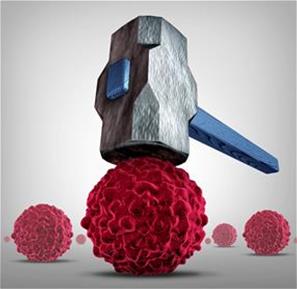
Crushing Cancer Through Prevention and Early Detection

Chuck DeGooyer

Crushing Cancer Through Prevention and Early Detection

The two cornerstones of population health: prevention and early detection.

Community cancer programs across the country provide outreach and education on action that individuals and communities can take to reduce cancer risk. Screening and early detection are key. When 2018 ACCC Innovator Award winner Tri-Cities Cancer Center discovered that citing facts and figures on cancer was not getting the message across, they came up with two awareness campaigns with a new twist. The result? A little levity can go a long way in reducing anxiety and stress over getting screened. Learn more in this ACCCBuzz guest blog post.

In the heart of Washington Wine Country and at the confluence of the Yakima, Snake, and Columbia Rivers lies the Tri-Cities. Consisting of the cities of Kennewick, Pasco, Richland, and West Richland, the Tri-Cities is one of the largest and fastest growing communities in the state of Washington. For this evolving population, Tri-Cities Cancer Center (TCCC) plays a critical role: providing prevention, early detection, world-class cancer care, and survivorship support to our local community.

Creating Partnerships to Assess Need
To best serve our region, TCCC partnered with Blue Mountain Oncology Program to review and better understand the data collected through the local tumor registry. Data showed that our region in southeastern Washington and northeastern Oregon has a significantly higher rate of late-stage diagnosed lung and colorectal cancer. Through conversations with local primary care providers, we knew there was a need to increase patient compliance with recommended cancer screenings.

Armed with this information, our focus turned to how best to reach our community. Our education efforts to date had focused on creative messaging highlighting the facts and figures associated with cancer mortality rates. However, we found that this “by the numbers” approach did not achieve the compliance results we had hoped for, so the Tri-Cities Cancer Center team decided it was time for a fresh appeal.

Balancing Honesty andHumor
We decided to try a combination of tough talk and a healthy dose of humor for our education campaigns on prevention and early detection. Through our “Be A Man” campaign, we zeroed in on the leading cancer killers of men, such as lung and colorectal cancer, as well as male reproductive cancers such as prostate and testicular cancers. We paired this with our “Woman Up!” campaign to highlight the importance of screening and early detection for the leading cancers seen in women, including cervical cancer, breast cancer, colorectal cancer, and lung cancer. In tandem with our two focused campaigns, we promoted our free “Quit Tobacco” program, as well as a critical companion campaign educating parents on the importance of vaccinating their children against HPV.

We’ve spread our messages out in the community through a variety of formats, including social media and in large group settings.

Wellness at Work
In addition to our community education campaigns, we increased our outreach and compliance efforts by launching a workplace wellness program in November 2017. Partnering with the University of Washington, the Washington State Department of Health, and senior leadership from 23 of the region’s largest employers, the program promotes evidence-based practices to keep employees healthy by targeting the leading causes of cancer-related death. Collectively, these organizations represent 30,000 employees, 100,000 lives, and one-third of our region’s population. This program has already been a catalyst for conversations in the workplace about the need to get screened, and we expect to see an increase in screening compliance from participating organizations.

Through our workplace wellness program and our hard-hitting community education campaigns, we have succeeded in sparking conversations within our community and hope to significantly impact screening compliance rates through this effort. We are also hoping to improve the stage of diagnosis, providing patients with a wider array of treatment options.

For more on our initiatives, watch our video.

We will be discussing our outreach programs and how they can be replicated at the ACCC 35th National Oncology Conference, October 17-19, 2018, in Phoenix, AZ.

Guest blog contributor Chuck DeGooyer is chief executive officer at Tri-Cities Cancer Center, Kennewick, Washington.