ACCC association of cancer care centers
Join/Renew
Login
Join/Renew
Login
Education & Resources
ACCC eXchange LogInCorporate Member Sponsored ResourcesPresentations & AbstractsPresident's ThemeACCC Connect eLearning LogIn
Publications
Oncology IssuesPatient Assistance & Reimbursement GuideTrending Now in Cancer Care
Events
2026 ACCC Leadership SummitAnnual Meeting & Cancer Center Business SummitCapitol Hill DayNational Oncology ConferenceOncology Reimbursement MeetingsOncology State Society Meetings
Policy & Advocacy
2024 Policy Wrap-Up and ACCC 2025 Policy PrioritiesLetters & StatementsAccess, Payment & Reimbursement ReformWhite Bagging & Brown BaggingAdvocacy ResourcesCancer Moonshot
Membership
Join | RenewWho We AreMembership Types & BenefitsCorporate MembersACCC Member Portal FAQMember Directory
Partners
Oncology State SocietiesPartner OrganizationsCME
News
News ReleasesAdvocacy News ReleasesOncology News
About ACCC
Timeline / 50th Anniversary2025 Impact ReportACCC Innovator AwardsACCC FellowsACCC Senior Staff
Breast CancerMetastatic Breast Cancer
Gastrointestinal CancerBiliary Tract CancerColorectal CancerGastric CancerLiver Cancer
Genitourinary CancerBladder CancerProstate CancerRenal Cell Carcinoma
Gynecologic CancerOvarian Cancer
Head & Neck Cancer
Hematologic MalignanciesAcute Lymphocytic Leukemia (ALL)Acute Myeloid Leukemia (AML)Chronic Lymphocytic Leukemia (CLL)Mantle Cell Lymphoma (MCL)Multiple Myeloma (MM)Myelodysplastic Syndromes (MDS)
Lung CancerNon-Small Cell Lung Cancer (NSCLC)Small Cell Lung Cancer (SCLC)
Sarcoma
Skin CancerMelanomaNon-Melanoma Skin Cancers (NMSC)
Clinical Practice & TreatmentCancer DiagnosticsCare CoordinationEHR Integration for Biomarker TestingQuality Improvement Collaboration: Integration of Precision Medicine in Community OncologyTreatment
Financial NavigationFAN Boot CampFinancial Advocacy Network (FAN) Resource LibraryPatient Assistance & Reimbursement GuidePrior Authorization
Health Equity & Access3, 2, 1, Go! Practical Solutions for Addressing Cancer Care DisparitiesAppalachian Community Cancer AllianceOncology Advanced PractitionersPersonalizing Care for Patients of All BackgroundsSocial Drivers of Health
Patient-Centered CareAddressing Care Disparities for VeteransAdolescent and Young Adult (AYA)Care Action Plans for People with CancerDermatologic ToxicitiesEmpowering CaregiversGeriatric OncologyHealth LiteracyNutritionOncology PharmacyPatient NavigationPsychosocial Care in OncologyShared Decision-MakingSupportive CareSurvivorship Care
Practice Management & OperationsCancer Program FundamentalsLeadership Sustainment and Engagement VideosOncology Practice Transformation and Integration CenterOncology Team Resiliency
ResearchACCC Community Oncology Research Institute (ACORI)
Technology & InnovationTelehealth & Digital Medicine
ACCCBuzz Blog
CANCER BUZZ Podcast
Oncology Issues
Join/Renew
Login
Breast CancerMetastatic Breast Cancer
Gastrointestinal CancerBiliary Tract CancerColorectal CancerGastric CancerLiver Cancer
Genitourinary CancerBladder CancerProstate CancerRenal Cell Carcinoma
Gynecologic CancerOvarian Cancer
Head & Neck Cancer
Hematologic MalignanciesAcute Lymphocytic Leukemia (ALL)Acute Myeloid Leukemia (AML)Chronic Lymphocytic Leukemia (CLL)Mantle Cell Lymphoma (MCL)Multiple Myeloma (MM)Myelodysplastic Syndromes (MDS)
Lung CancerNon-Small Cell Lung Cancer (NSCLC)Small Cell Lung Cancer (SCLC)
Sarcoma
Skin CancerMelanomaNon-Melanoma Skin Cancers (NMSC)
Clinical Practice & TreatmentCancer DiagnosticsCare CoordinationEHR Integration for Biomarker TestingQuality Improvement Collaboration: Integration of Precision Medicine in Community OncologyTreatment
Financial NavigationFAN Boot CampFinancial Advocacy Network (FAN) Resource LibraryPatient Assistance & Reimbursement GuidePrior Authorization
Health Equity & Access3, 2, 1, Go! Practical Solutions for Addressing Cancer Care DisparitiesAppalachian Community Cancer AllianceOncology Advanced PractitionersPersonalizing Care for Patients of All BackgroundsSocial Drivers of Health
Patient-Centered CareAddressing Care Disparities for VeteransAdolescent and Young Adult (AYA)Care Action Plans for People with CancerDermatologic ToxicitiesEmpowering CaregiversGeriatric OncologyHealth LiteracyNutritionOncology PharmacyPatient NavigationPsychosocial Care in OncologyShared Decision-MakingSupportive CareSurvivorship Care
Practice Management & OperationsCancer Program FundamentalsLeadership Sustainment and Engagement VideosOncology Practice Transformation and Integration CenterOncology Team Resiliency
ResearchACCC Community Oncology Research Institute (ACORI)
Technology & InnovationTelehealth & Digital Medicine
ACCCBuzz Blog
CANCER BUZZ Podcast
Oncology Issues
    • Education & Resources
    • Publications
    • Events
    • Policy & Advocacy
    • Membership
    • Partners
    • News
    • About ACCC
ACCC association of cancer care centers
1801 Research Boulevard, Suite 400, Rockville, MD 20850
Tel: 301.984.9496 Fax: 301.770.1949 Email Us
Contact UsVolunteers
Advertise
Career Center
Terms and Conditions
Privacy Policy
ACCC Rebranding
Copyright © 2026 Association of Cancer Care Centers. All Rights Reserved.
Advertisement

Blog

Article

February 29, 2024

#AMCCBS: A Day on The Hill

To kick-off #AMCCBS, ACCC members traveled to Capitol Hill for the association’s first in-person Hill Day since 2019.
#AMCCBS: A Day on The Hill

The Association of Cancer Care Centers welcomed its members to Washington D.C for the ACCC 50th Annual Meeting & Cancer Center Business Summit (#AMCCBS) on Wednesday, February 28. This edition of #AMCCBS is different than any other as the Association debuted its new name and logo. These changes were made to represent the strength of its multidisciplinary membership and prepare ACCC for the next 50 years of innovation, education, and advocacy. This renewed dedication was communicated to members of the United States Congress when ACCC members traveled to Capitol Hill for the Association’s first in-person Hill Day in 5 years.

Understanding the importance and influence of policy to delivering comprehensive cancer care, ACCC concentrated its advocacy efforts on 4 integral issues that were identified by its membership and the patients they serve. They include:

  • Oncology Patient Navigation
  • Oncology Drug Shortages
  • Inflation Reduction Act
  • Financial Toxicity

Drug Shortages

“Therapies are so expensive, and we want to make sure we keep cancer care affordable and accessible to patients,” said Sarah Hudson-DiSalle, PharmD, RPh, assistant director of Infusion Reimbursement Services at the Arthur G. James Cancer Hospital at The Ohio State University, in a conversation with Matthew Williams, correspondence manager for Senator James David Vance (R-OH). “That takes everyone, and we want to ensure we are providing solutions for the issues the cancer care continuum faces.” Dr. Hudson Di-Salle explained to Williams that in 2023, the US experienced the highest rate of drug shortages in its modern history and expressed ACCC’s desire to develop a solution. “We want to fix it systematically….at the root of the cause and would like to partner with Senator Vance on some initiatives.” Willaims shared Dr. Hudson-Di-Salle’s desire to collaboratively develop initiatives that prevent or at the very least minimize the effects of future oncology drug shortages. “The system needs streamlined, coordinated communication processes... and I think we can have a fruitful relationship,” Williams said.

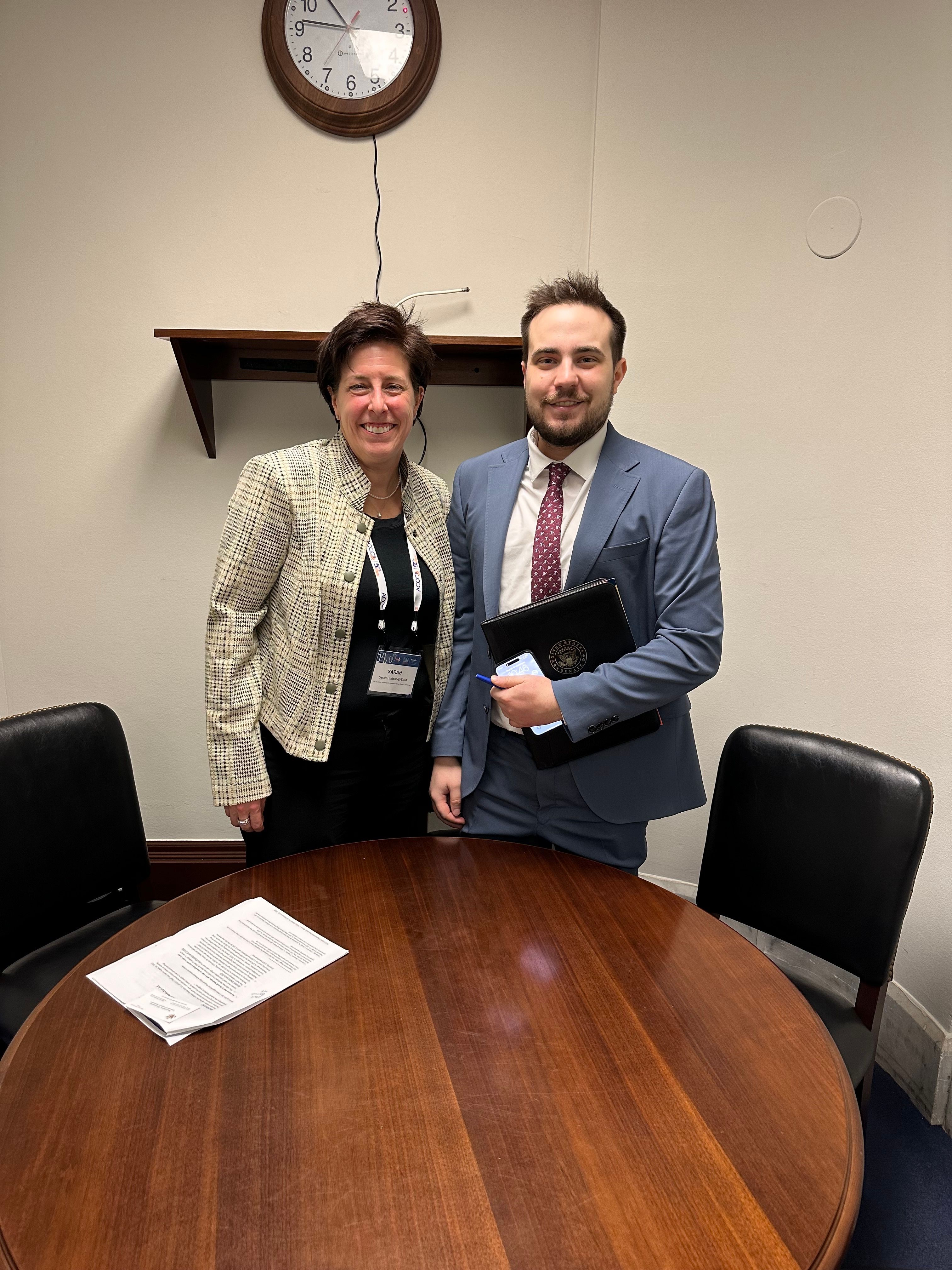
Dr. Hudson-DiSalle and Matthew Williams

To address the oncology drug shortage, ACCC asks that Congress use its 40,000+ membership, as a resource. Further, ACCC requests that Congress identify, evaluate, and propose transparent policies to address future drug shortages when they occur.

Financial Toxicity + Patient Navigation

Among The Hill Day contingent were members of the Financial Advocacy Network (FAN) sub-committee. They shared compelling stories that highlighted the effects of financial toxicity and the expressed the need for patient navigation. Francinna Scott-Jones CPAR, ROCC, FACCC, financial coordinator, Northside Hospital Cancer Institute, Department of Radiation Oncology, met with Senator Raphael Warnock (D-GA), to discuss the out-of-pocket costs patients with cancer face during their initial diagnosis and treatment.

Financial Toxicity affects approximately 56% of patients with cancer. Considering that over half of cancer diagnoses occur in patients 66 years of age or older—a year before the normal retirement age—many patients may not have the income to combat its effects. Thus, ACCC encourages Congress to continue considering legislation that addresses the prevalence of financial toxicity across the cancer care continuum.

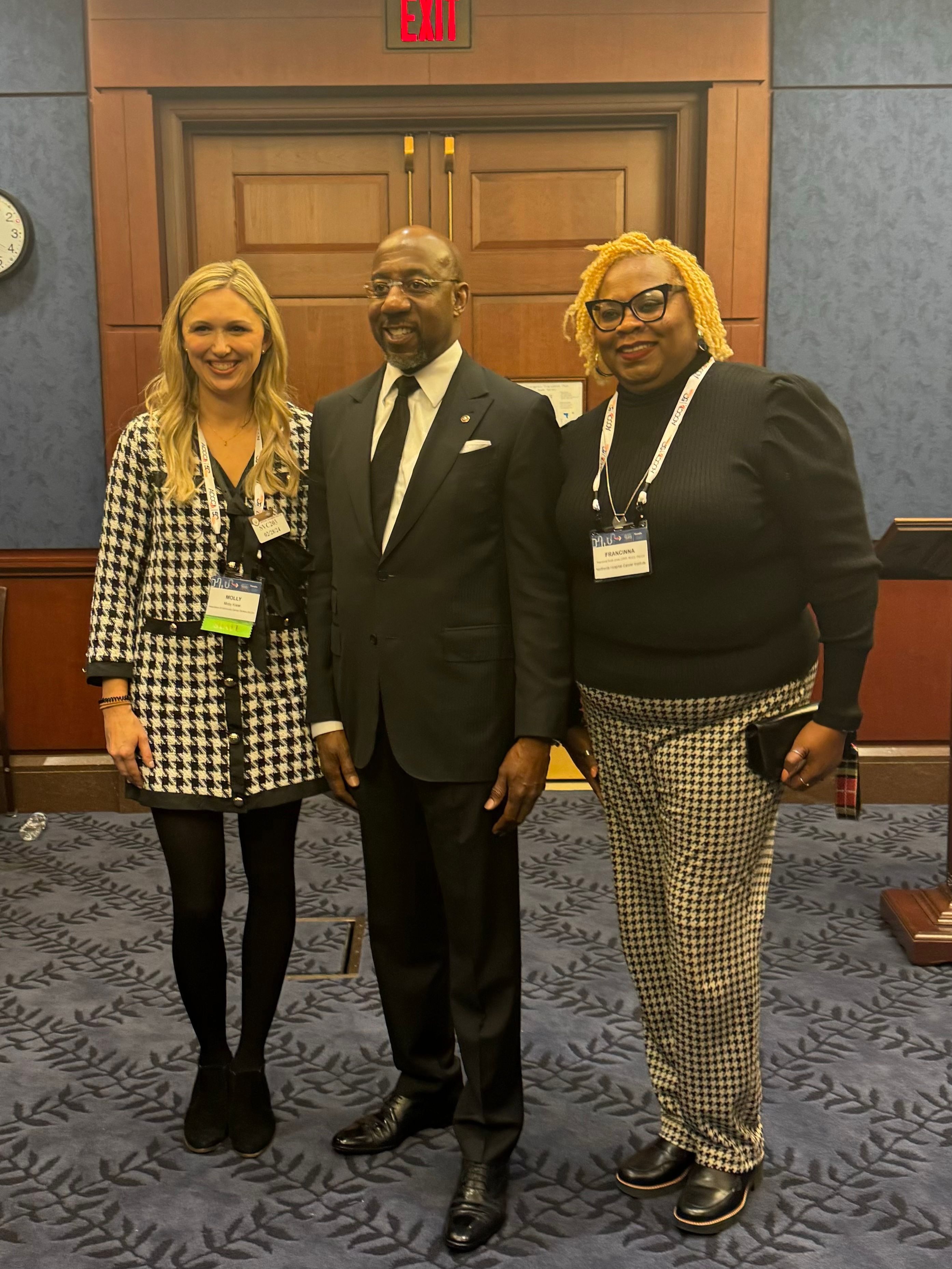
L-R: Molly Kisiel, MSN, FNP-BC, director of clinical content at ACCC, Sen. Warnock, and Francinna Scott-Jones.

Other members of the FAN sub-committee shared the value of oncology patient navigation with Members of Congress. Angie Santiago, CRCS, senior business manager, Medical Oncology, Sidney Kimmel Cancer Center at Jefferson Health, and Aimee Hoch, MSW, LSW, OSW-C, oncology financial navigator, Grand View Health Cancer Center, met with the offices of Senator John Fetterman (D-PA), and Congressman Brendan Boyle of Pennsylvania’s 2ND district, to share their excitement for the new Healthcare Common Procedure Coding System patient navigation codes. These codes went into effect on January 1, 2024, and represent a historic new level of Medicare reimbursement for patient navigation services. They also had a chance encounter with Senator Cory Booker (D-NJ).

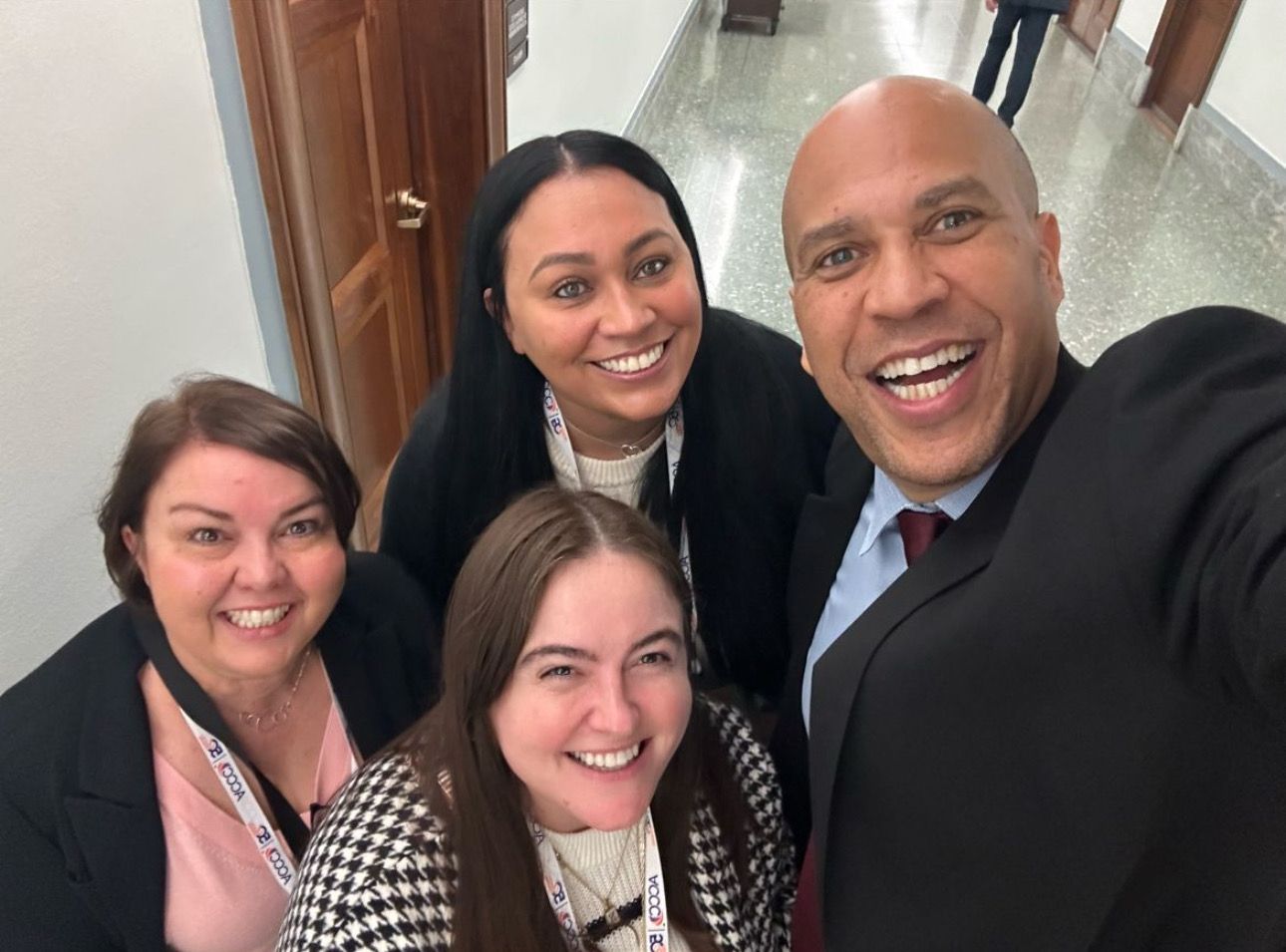
L-R: Aimee Hoch, Rifeta Kajdić-Hodžić, senior program manager, Oncology at ACCC, Angie Santiago, and Sen. Booker

Inflation Reduction Act

President Joseph Biden signed the Inflation Reduction Act of 2022 (IRA) into law on August 16, 2022. The law contains multiple provisions aimed at reducing prescription drug prices and costs for patients. Further, it sought to lower prescription drug spending in the federal Medicare program. Some of the IRA’s drug pricing-related provisions include:

  • Medicare Part D Benefit Redesign with a Cap on Beneficiary Out-of-Pocket-Costs
  • Medicare Drug Price Negotiation Program (Medicare Part D Effective in 2026 and Part B Effective in 2028).
  • Rebates to Medicare: Pharmaceutical manufacturers must pay rebates to Medicare if prices for Medicare Part B or Part D rise faster than inflation.

ACCC believes the IRA’s Drug Pricing, Medicare Part D Benefit Redesign and Medicare Part B and D rebate provisions have the potential to provide real savings for Medicare beneficiaries. Consequently, ACCC asks that Congress, together with policymakers at the Department of Health and Human Services and the Center of Medicare and Medicaid Services, continue to listen to healthcare providers and patients as the implementation of the IRA moves forward.

In conclusion, ACCC members shared with their respective Congress people that the Association has endorsed the Protecting Patient Access to Cancer and Complex Therapies Act (S.2764/H.R.5391). This proposed legislation seeks to mitigate the impact of any reduced Medicare reimbursement under Medicare Part B on the providers and healthcare organizations that administer such therapies—including practices serving patients with cancer.

Capitol Hill Day marks the kickoff of the ACCC 50th Annual Meeting & Cancer Center Business Summit. Stay tuned to the ACCCBuzz blog for highlights from meeting sessions, and follow @ACCCBuzz on X for real-time updates and insights.