ACCC association of cancer care centers
Join/Renew
Login
Join/Renew
Login
Education & Resources
ACCC eXchange LogInCorporate Member Sponsored ResourcesPresentations & AbstractsPresident's ThemeACCC Connect eLearning LogIn
Publications
Oncology IssuesPatient Assistance & Reimbursement GuideTrending Now in Cancer Care
Events
2026 ACCC Leadership SummitAnnual Meeting & Cancer Center Business SummitCapitol Hill DayNational Oncology ConferenceOncology Reimbursement MeetingsOncology State Society Meetings
Policy & Advocacy
2024 Policy Wrap-Up and ACCC 2025 Policy PrioritiesLetters & StatementsAccess, Payment & Reimbursement ReformWhite Bagging & Brown BaggingAdvocacy ResourcesCancer Moonshot
Membership
Join | RenewWho We AreMembership Types & BenefitsCorporate MembersACCC Member Portal FAQMember Directory
Partners
Oncology State SocietiesPartner OrganizationsCME
News
News ReleasesAdvocacy News ReleasesOncology News
About ACCC
Timeline / 50th Anniversary2025 Impact ReportACCC Innovator AwardsACCC FellowsACCC Senior Staff
Breast CancerMetastatic Breast Cancer
Gastrointestinal CancerBiliary Tract CancerColorectal CancerGastric CancerLiver Cancer
Genitourinary CancerBladder CancerProstate CancerRenal Cell Carcinoma
Gynecologic CancerOvarian Cancer
Head & Neck Cancer
Hematologic MalignanciesAcute Lymphocytic Leukemia (ALL)Acute Myeloid Leukemia (AML)Chronic Lymphocytic Leukemia (CLL)Mantle Cell Lymphoma (MCL)Multiple Myeloma (MM)Myelodysplastic Syndromes (MDS)
Lung CancerNon-Small Cell Lung Cancer (NSCLC)Small Cell Lung Cancer (SCLC)
Sarcoma
Skin CancerMelanomaNon-Melanoma Skin Cancers (NMSC)
Clinical Practice & TreatmentCancer DiagnosticsCare CoordinationEHR Integration for Biomarker TestingQuality Improvement Collaboration: Integration of Precision Medicine in Community OncologyTreatment
Financial NavigationFAN Boot CampFinancial Advocacy Network (FAN) Resource LibraryPatient Assistance & Reimbursement GuidePrior Authorization
Health Equity & Access3, 2, 1, Go! Practical Solutions for Addressing Cancer Care DisparitiesAppalachian Community Cancer AllianceOncology Advanced PractitionersPersonalizing Care for Patients of All BackgroundsSocial Drivers of Health
Patient-Centered CareAddressing Care Disparities for VeteransAdolescent and Young Adult (AYA)Care Action Plans for People with CancerDermatologic ToxicitiesEmpowering CaregiversGeriatric OncologyHealth LiteracyNutritionOncology PharmacyPatient NavigationPsychosocial Care in OncologyShared Decision-MakingSupportive CareSurvivorship Care
Practice Management & OperationsCancer Program FundamentalsLeadership Sustainment and Engagement VideosOncology Practice Transformation and Integration CenterOncology Team Resiliency
ResearchACCC Community Oncology Research Institute (ACORI)
Technology & InnovationTelehealth & Digital Medicine
ACCCBuzz Blog
CANCER BUZZ Podcast
Oncology Issues
Join/Renew
Login
Breast CancerMetastatic Breast Cancer
Gastrointestinal CancerBiliary Tract CancerColorectal CancerGastric CancerLiver Cancer
Genitourinary CancerBladder CancerProstate CancerRenal Cell Carcinoma
Gynecologic CancerOvarian Cancer
Head & Neck Cancer
Hematologic MalignanciesAcute Lymphocytic Leukemia (ALL)Acute Myeloid Leukemia (AML)Chronic Lymphocytic Leukemia (CLL)Mantle Cell Lymphoma (MCL)Multiple Myeloma (MM)Myelodysplastic Syndromes (MDS)
Lung CancerNon-Small Cell Lung Cancer (NSCLC)Small Cell Lung Cancer (SCLC)
Sarcoma
Skin CancerMelanomaNon-Melanoma Skin Cancers (NMSC)
Clinical Practice & TreatmentCancer DiagnosticsCare CoordinationEHR Integration for Biomarker TestingQuality Improvement Collaboration: Integration of Precision Medicine in Community OncologyTreatment
Financial NavigationFAN Boot CampFinancial Advocacy Network (FAN) Resource LibraryPatient Assistance & Reimbursement GuidePrior Authorization
Health Equity & Access3, 2, 1, Go! Practical Solutions for Addressing Cancer Care DisparitiesAppalachian Community Cancer AllianceOncology Advanced PractitionersPersonalizing Care for Patients of All BackgroundsSocial Drivers of Health
Patient-Centered CareAddressing Care Disparities for VeteransAdolescent and Young Adult (AYA)Care Action Plans for People with CancerDermatologic ToxicitiesEmpowering CaregiversGeriatric OncologyHealth LiteracyNutritionOncology PharmacyPatient NavigationPsychosocial Care in OncologyShared Decision-MakingSupportive CareSurvivorship Care
Practice Management & OperationsCancer Program FundamentalsLeadership Sustainment and Engagement VideosOncology Practice Transformation and Integration CenterOncology Team Resiliency
ResearchACCC Community Oncology Research Institute (ACORI)
Technology & InnovationTelehealth & Digital Medicine
ACCCBuzz Blog
CANCER BUZZ Podcast
Oncology Issues
    • Education & Resources
    • Publications
    • Events
    • Policy & Advocacy
    • Membership
    • Partners
    • News
    • About ACCC
ACCC association of cancer care centers
1801 Research Boulevard, Suite 400, Rockville, MD 20850
Tel: 301.984.9496 Fax: 301.770.1949 Email Us
Contact UsVolunteers
Advertise
Career Center
Terms and Conditions
Privacy Policy
ACCC Rebranding
Copyright © 2026 Association of Cancer Care Centers. All Rights Reserved.
Advertisement

Blog

Article

June 3, 2022

ACCC Tools for Immuno-Oncology Survivorship Care

In recognizing Cancer Immunotherapy Month and National Cancer Survivors Day (June 5), ACCC is highlighting the resources it has created to assist the multidisciplinary team in creating and adapting survivorship care plans to meet these patients’ unique needs and support toxicity management for better outcomes.
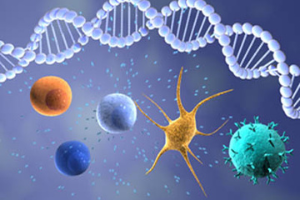

ACCC Tools for Immuno-Oncology Survivorship Care

June is a month consisting of many celebrations relating to oncology. First, it is Cancer Immunotherapy Month—a time to raise awareness about the importance of immunotherapy in anti-cancer treatment. And Sunday, June 5, is National Cancer Survivors Day®, an annual celebration of life. A day held to honor those who have survived cancer (anyone who has a history cancer, from diagnosis through the remainder of life) and to emphasize that life after cancer can be full and resilient, National Cancer Survivors Day is also meant to serve as a celebration for survivors, an inspiration to those recently diagnosed with cancer, and support for families and communities.

In recognizing these two important elements of the cancer care continuum, ACCC is paying particular attention to survivorship care for patients whose cancer was treated with immunotherapy.

What Is Immunotherapy?

Immunotherapy in oncology refers to a type of treatment that uses the body’s immune system to treat cancer, with a major function of the immune system being to locate and destroy abnormal cells, including cancer cells.

There are five major types of anti-cancer immunotherapies, including:

  • Immune checkpoint inhibitors
  • T-cell transfer therapy
  • Monoclonal antibodies
  • Treatment vaccines
  • Immune system modulators.

It is important to note that immunotherapy treatment is not right for every cancer case, and some immunotherapy types can cause patients to experience serious side effects (known as immune-related adverse events).

Immuno-Oncology Survivorship Care

ACCC established the Immuno-Oncology Institute to educate multidisciplinary cancer care teams to go beyond the clinical understanding of immunotherapy and tackle real-world implementation issues. The institute is at the forefront of developing critical education to empower oncology professionals across care delivery settings.

Unlike other anti-cancer treatments, cancer care standards do not require survivorship services (or care plans) to be provided to people who are treated with immunotherapies. However, ACCC’s Immuno-Oncology Institute is spreading awareness of the need to include the unique side-effect profile for people treated with immunotherapies in survivorship care plans. In doing so, ACCC created templates to guide cancer programs and patients’ needs. The templates are intended to support the management of toxicities during and beyond treatment to result in better health outcomes.

Templates include:

  • Physician Talking Points, such as helpful tips on how to have comprehensive conversations with patients about their goals and needs during or after treatment.
  • A Survivorship Care Plan and Care Transition Template that is designed to fit in with the plans and templates healthcare professionals may already use at their cancer center to further enhance care coordination and the patient experience.
  • Immuno-Oncology Survivor Support Resources that supplement these templates with additional information specific to immunotherapy patients and their personal goals and needs.

Survivorship care is not standardized for oncology patients who were treated with immunotherapies. Therefore, in recognizing National Cancer Survivors Day this year, ACCC is highlighting the resources it has created to assist the multidisciplinary team in creating and adapting survivorship care plans to meet these patients’ unique needs and support toxicity management for better outcomes.