ACCC association of cancer care centers
Join/Renew
Login
Join/Renew
Login
Education & Resources
ACCC eXchange LogInCorporate Member Sponsored ResourcesPresentations & AbstractsPresident's ThemeACCC Connect eLearning LogIn
Publications
Oncology IssuesPatient Assistance & Reimbursement GuideTrending Now in Cancer Care
Events
2026 ACCC Leadership SummitAnnual Meeting & Cancer Center Business SummitCapitol Hill DayNational Oncology ConferenceOncology Reimbursement MeetingsOncology State Society Meetings
Policy & Advocacy
2024 Policy Wrap-Up and ACCC 2025 Policy PrioritiesLetters & StatementsAccess, Payment & Reimbursement ReformWhite Bagging & Brown BaggingAdvocacy ResourcesCancer Moonshot
Membership
Join | RenewWho We AreMembership Types & BenefitsCorporate MembersACCC Member Portal FAQMember Directory
Partners
Oncology State SocietiesPartner OrganizationsCME
News
News ReleasesAdvocacy News ReleasesOncology News
About ACCC
Timeline / 50th Anniversary2025 Impact ReportACCC Innovator AwardsACCC FellowsACCC Senior Staff
Breast CancerMetastatic Breast Cancer
Gastrointestinal CancerBiliary Tract CancerColorectal CancerGastric CancerLiver Cancer
Genitourinary CancerBladder CancerProstate CancerRenal Cell Carcinoma
Gynecologic CancerOvarian Cancer
Head & Neck Cancer
Hematologic MalignanciesAcute Lymphocytic Leukemia (ALL)Acute Myeloid Leukemia (AML)Chronic Lymphocytic Leukemia (CLL)Mantle Cell Lymphoma (MCL)Multiple Myeloma (MM)Myelodysplastic Syndromes (MDS)
Lung CancerNon-Small Cell Lung Cancer (NSCLC)Small Cell Lung Cancer (SCLC)
Sarcoma
Skin CancerMelanomaNon-Melanoma Skin Cancers (NMSC)
Clinical Practice & TreatmentCancer DiagnosticsCare CoordinationEHR Integration for Biomarker TestingQuality Improvement Collaboration: Integration of Precision Medicine in Community OncologyTreatment
Financial NavigationFAN Boot CampFinancial Advocacy Network (FAN) Resource LibraryPatient Assistance & Reimbursement GuidePrior Authorization
Health Equity & Access3, 2, 1, Go! Practical Solutions for Addressing Cancer Care DisparitiesAppalachian Community Cancer AllianceOncology Advanced PractitionersPersonalizing Care for Patients of All BackgroundsSocial Drivers of Health
Patient-Centered CareAddressing Care Disparities for VeteransAdolescent and Young Adult (AYA)Care Action Plans for People with CancerDermatologic ToxicitiesEmpowering CaregiversGeriatric OncologyHealth LiteracyNutritionOncology PharmacyPatient NavigationPsychosocial Care in OncologyShared Decision-MakingSupportive CareSurvivorship Care
Practice Management & OperationsCancer Program FundamentalsLeadership Sustainment and Engagement VideosOncology Practice Transformation and Integration CenterOncology Team Resiliency
ResearchACCC Community Oncology Research Institute (ACORI)
Technology & InnovationTelehealth & Digital Medicine
ACCCBuzz Blog
CANCER BUZZ Podcast
Oncology Issues
Join/Renew
Login
Breast CancerMetastatic Breast Cancer
Gastrointestinal CancerBiliary Tract CancerColorectal CancerGastric CancerLiver Cancer
Genitourinary CancerBladder CancerProstate CancerRenal Cell Carcinoma
Gynecologic CancerOvarian Cancer
Head & Neck Cancer
Hematologic MalignanciesAcute Lymphocytic Leukemia (ALL)Acute Myeloid Leukemia (AML)Chronic Lymphocytic Leukemia (CLL)Mantle Cell Lymphoma (MCL)Multiple Myeloma (MM)Myelodysplastic Syndromes (MDS)
Lung CancerNon-Small Cell Lung Cancer (NSCLC)Small Cell Lung Cancer (SCLC)
Sarcoma
Skin CancerMelanomaNon-Melanoma Skin Cancers (NMSC)
Clinical Practice & TreatmentCancer DiagnosticsCare CoordinationEHR Integration for Biomarker TestingQuality Improvement Collaboration: Integration of Precision Medicine in Community OncologyTreatment
Financial NavigationFAN Boot CampFinancial Advocacy Network (FAN) Resource LibraryPatient Assistance & Reimbursement GuidePrior Authorization
Health Equity & Access3, 2, 1, Go! Practical Solutions for Addressing Cancer Care DisparitiesAppalachian Community Cancer AllianceOncology Advanced PractitionersPersonalizing Care for Patients of All BackgroundsSocial Drivers of Health
Patient-Centered CareAddressing Care Disparities for VeteransAdolescent and Young Adult (AYA)Care Action Plans for People with CancerDermatologic ToxicitiesEmpowering CaregiversGeriatric OncologyHealth LiteracyNutritionOncology PharmacyPatient NavigationPsychosocial Care in OncologyShared Decision-MakingSupportive CareSurvivorship Care
Practice Management & OperationsCancer Program FundamentalsLeadership Sustainment and Engagement VideosOncology Practice Transformation and Integration CenterOncology Team Resiliency
ResearchACCC Community Oncology Research Institute (ACORI)
Technology & InnovationTelehealth & Digital Medicine
ACCCBuzz Blog
CANCER BUZZ Podcast
Oncology Issues
    • Education & Resources
    • Publications
    • Events
    • Policy & Advocacy
    • Membership
    • Partners
    • News
    • About ACCC
ACCC association of cancer care centers
1801 Research Boulevard, Suite 400, Rockville, MD 20850
Tel: 301.984.9496 Fax: 301.770.1949 Email Us
Contact UsVolunteers
Advertise
Career Center
Terms and Conditions
Privacy Policy
ACCC Rebranding
Copyright © 2026 Association of Cancer Care Centers. All Rights Reserved.
Advertisement

Blog

Article

May 9, 2023

ACCC Releases New Resources to Support Advanced Skin Cancer Care

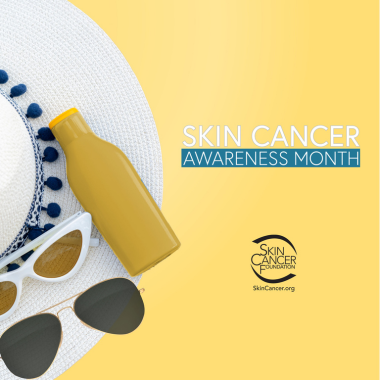
In recognition of May as skin cancer awareness month, a disease that affects one in five Americans by 70 years of age, ACCC has developed new resources to support advanced skin cancer care.
ACCC Releases New Resources to Support Advanced Skin Cancer Care

With the summer season approaching and transition to outdoor activities in the sun, healthcare professionals nationwide are preparing for important conversations with patients around skin protection and skin cancer prevention. This is because May—a month synonymous with sunshine and the great outdoors—is also Skin Cancer Awareness Month.

With more than five million cases of skin cancer diagnosed each year in the United States—a number that continues to grow with increased detection and longer life expectancy rates—it comes as no surprise that America’s most common cancer is part of the national healthcare conversation. Because one in five Americans will develop skin cancer by 70 years of age and more people are diagnosed with the disease each year than all other cancers combined, shining the national spotlight on skin cancer is essential to continuing to improve patient outcomes.

Early Prevention Trends

National education efforts and awareness trends are aplenty; social media campaigns like the #SkinCheckChallenge and #ThisIsSkinCancer, SPOT Skin Cancer™, Melanoma Monday®, Don’t Fry Day, and other preventative care campaigns, articles, and events around the country are all effective ways to engage and encourage more people to understand the dangers of sun exposure and check early and often for warning signs of skin cancer.

Arguably, the most important message is this: if caught early, skin cancer is highly treatable. While 8 in 10 cases are basal cell carcinoma, and squamous cell carcinoma is the second most common form of the disease, skin cancer that is detected early can be treated more easily and often results in a five-year survival rate of 99 percent.

Advanced Disease

However, misconceptions persist about the lesser, more rare forms of skin cancer. The treatable nature and high rates of survival simply do not apply to skin cancer that is advanced or has metastasized. Which means that more providers must hold difficult conversations with patients, who often do not understand that their form of advanced skin cancer may be inoperable and incurable.

And the facts can certainly be startling. According to the American Cancer Society, the five-year survival rate for regional (disease that has spread beyond the skin to nearby structures or lymph nodes) and distant (disease that has spread to distant parts of the body, such as the lungs, liver, or skin on other parts of the body) melanoma decreased to 71 percent and 32 percent, respectively. These survival rates decline further for skin cancers that grow, spread, or return after treatment. The Skin Cancer Foundation cites that the incidence rates for more rare and aggressive forms of skin cancer, such as Merkel cell carcinoma, increased by 95 percent from 2000 to 2013; the number of new invasive melanoma cases diagnosed annually between 2013 to 2023 increased by 27 percent; and patients receiving organ transplant are approximately 100 times more likely to develop squamous cell carcinoma than the general public.

New ACCC Resources to Support Providers

These statistics point to the increasing importance of educating and supporting providers to recognize the high-risk features associated with advanced cutaneous squamous cell and basal cell carcinoma, as well as more rare types of skin cancer like Merkel cell carcinoma, cutaneous lymphomas, among others, and to understand when and how to refer patients to oncology experts and specialists.

Recognizing this need, the Association of Cancer Care Centers (ACCC) partnered with the Skin Cancer Education and Research Foundation, Cancer Support Community, and CancerCare, and received support from Regeneron and Sanofi, to create a suite of powerful resources for multidisciplinary cancer care teams and non-oncology providers and specialists to build awareness on effective practices for supporting, treating, and managing patients with advanced skin cancers. These include an on-demand webinar on building multidisciplinary care collaboration to improve care for patients, a series of articles and resources highlighting insights from cancer programs and practices and their experts in advanced non-melanoma skin cancer, CANCER BUZZ podcasts focused on navigating difficult conversations with patients and addressing barriers to care, as well as a helpful online tool, 360 connect, which enables providers to locate and connect with experts and non-melanoma skin cancer centers of excellence across the U.S.

Leveraging these and other resources to build awareness for both providers and patients on the critical differences in the diagnosis, treatment, and outcomes of skin cancer, as well as arming them with the skills to recognize high-risk features and warning signs of advanced or rare types of skin cancer, is key. Early prevention practices and early diagnosis can a make all the difference in improving outcomes for American lives.

More From ACCC

  • New Patient Educations Tools for Skin Cancer Awareness Month
  • Why Skinny on Skin?
  • Developing Skin Cancer Prevention Initiatives for the Whole Family
  • Nine Steps to Hosting Your Own Skin Cancer Screening