ACCC association of cancer care centers
Join/Renew
Login
Join/Renew
Login
Education & Resources
ACCC eXchange LogInSponsored Education from ACCC Corporate PartnersACCC eLearning LogInPresentations & Abstracts
Publications
Oncology IssuesPatient Assistance & Reimbursement GuideTrending Now in Cancer CareBusiness Case Studies for Hiring New Staff
Events
2026 ACCC Leadership SummitAnnual Meeting & Cancer Center Business SummitCapitol Hill DayNational Oncology ConferenceOncology Reimbursement MeetingsOncology State Society Meetings
Policy & Advocacy
ACCC 2026 Policy PrioritiesLetters & StatementsAccess, Payment & Reimbursement ReformWhite Bagging & Brown BaggingAdvocacy ResourcesCancer Moonshot
Membership
Join | RenewWho We AreMembership Types & BenefitsCorporate MembersACCC Member Portal FAQMember Directory
Partners
Oncology State SocietiesPartner OrganizationsCME
News
News ReleasesAdvocacy News ReleasesOncology News
About ACCC
Timeline / 50th Anniversary2025 Impact ReportPresident's ThemeACCC Innovator AwardsACCC FellowsBoard of TrusteesACCC Senior Staff
Breast CancerMetastatic Breast Cancer
Gastrointestinal CancerBiliary Tract CancerColorectal CancerGastric CancerLiver Cancer
Genitourinary CancerBladder CancerProstate CancerRenal Cell Carcinoma
Gynecologic Cancer
Head & Neck Cancer
Hematologic MalignanciesAcute Lymphocytic Leukemia (ALL)Acute Myeloid Leukemia (AML)Chronic Lymphocytic Leukemia (CLL)Mantle Cell Lymphoma (MCL)Multiple Myeloma (MM)Myelodysplastic Syndromes (MDS)
Lung CancerNon-Small Cell Lung Cancer (NSCLC)Small Cell Lung Cancer (SCLC)
Sarcoma
Skin CancerMelanomaNon-Melanoma Skin Cancers (NMSC)
Clinical Practice & TreatmentCancer DiagnosticsCare CoordinationEHR Integration for Biomarker TestingQuality Improvement Collaboration: Integration of Precision Medicine in Community OncologyTreatment
Financial NavigationFAN Boot CampFinancial Advocacy Network (FAN) Resource LibraryPatient Assistance & Reimbursement GuidePrior Authorization
Health Equity & Access3, 2, 1, Go! Practical Solutions for Addressing Cancer Care DisparitiesAppalachian Community Cancer AllianceOncology Advanced PractitionersPersonalizing Care for Patients of All BackgroundsSocial Drivers of Health
Patient-Centered CareAddressing Care Disparities for VeteransAdolescent and Young Adult (AYA)Care Action Plans for People with CancerDermatologic ToxicitiesEmpowering CaregiversGeriatric OncologyHealth LiteracyNutritionOncology PharmacyPatient NavigationPsychosocial Care in OncologyShared Decision-MakingSupportive CareSurvivorship Care
Practice Management & OperationsCancer Program FundamentalsLeadership Sustainment and Engagement VideosOncology Practice Transformation and Integration CenterOncology Team Resiliency
ResearchACCC Community Oncology Research Institute (ACORI)
Technology & InnovationTelehealth & Digital Medicine
ACCCBuzz Blog
CANCER BUZZ Podcast
Oncology Issues
Join/Renew
Login
Breast CancerMetastatic Breast Cancer
Gastrointestinal CancerBiliary Tract CancerColorectal CancerGastric CancerLiver Cancer
Genitourinary CancerBladder CancerProstate CancerRenal Cell Carcinoma
Gynecologic Cancer
Head & Neck Cancer
Hematologic MalignanciesAcute Lymphocytic Leukemia (ALL)Acute Myeloid Leukemia (AML)Chronic Lymphocytic Leukemia (CLL)Mantle Cell Lymphoma (MCL)Multiple Myeloma (MM)Myelodysplastic Syndromes (MDS)
Lung CancerNon-Small Cell Lung Cancer (NSCLC)Small Cell Lung Cancer (SCLC)
Sarcoma
Skin CancerMelanomaNon-Melanoma Skin Cancers (NMSC)
Clinical Practice & TreatmentCancer DiagnosticsCare CoordinationEHR Integration for Biomarker TestingQuality Improvement Collaboration: Integration of Precision Medicine in Community OncologyTreatment
Financial NavigationFAN Boot CampFinancial Advocacy Network (FAN) Resource LibraryPatient Assistance & Reimbursement GuidePrior Authorization
Health Equity & Access3, 2, 1, Go! Practical Solutions for Addressing Cancer Care DisparitiesAppalachian Community Cancer AllianceOncology Advanced PractitionersPersonalizing Care for Patients of All BackgroundsSocial Drivers of Health
Patient-Centered CareAddressing Care Disparities for VeteransAdolescent and Young Adult (AYA)Care Action Plans for People with CancerDermatologic ToxicitiesEmpowering CaregiversGeriatric OncologyHealth LiteracyNutritionOncology PharmacyPatient NavigationPsychosocial Care in OncologyShared Decision-MakingSupportive CareSurvivorship Care
Practice Management & OperationsCancer Program FundamentalsLeadership Sustainment and Engagement VideosOncology Practice Transformation and Integration CenterOncology Team Resiliency
ResearchACCC Community Oncology Research Institute (ACORI)
Technology & InnovationTelehealth & Digital Medicine
ACCCBuzz Blog
CANCER BUZZ Podcast
Oncology Issues
    • Education & Resources
    • Publications
    • Events
    • Policy & Advocacy
    • Membership
    • Partners
    • News
    • About ACCC
ACCC association of cancer care centers
5425 Wisconsin Ave #600, Chevy Chase, MD 20815
Tel: 301.984.9496 Email Us
Contact UsVolunteers
Advertise
Career Center
Terms and Conditions
Privacy Policy
ACCC Rebranding
Copyright © 2026 Association of Cancer Care Centers. All Rights Reserved.
HomeACCCBuzz Blog

New Patient Education Tools for Skin Cancer Awareness Month

May 26, 2021

May is Skin Cancer Awareness Month! Learn how the Cancer Support Community's patient guides help patient health literacy and promote shared decision-making.
New Patient Education Tools for Skin Cancer Awareness Month

Skin cancer awareness is often in the news, particularly around Memorial Day, when much of the country welcomes the start of the warm summer months and people head outside. Accordingly, Skin Cancer Awareness Month is recognized in May to promote awareness of the importance of skin protection while enjoying the sun.

With more than 5 million cases diagnosed in the U.S. each year, skin cancer is America’s most common cancer. Fortunately, skin cancer is also one of the most treatable forms of cancer. Basal cell carcinoma (BCC) and squamous cell carcinoma (SCC) are the most common types of skin cancer. These nonmelanoma cancers rarely spread to other parts of the body.

Basal cell carcinoma, which accounts for eight out of ten diagnosed skin cancers, grows very slowly and is very treatable. Cancer registries do not even collect information about BCC survival rates because most of these cancers are diagnosed and treated easily in a doctor’s office. The SCC survival rate is likewise very high; when detected early, the five-year survival rate is 99 percent.

Advanced Cancers

However, these high survival rates do not hold for all skin cancers. Skin cancer comes in multiple forms, and, when advanced and metastasized, it can be inoperable and incurable. Melanoma is an aggressive form of skin cancer that is more likely to invade nearby tissues and spread to other parts of the body than the more common BCC and SCC. When a patient has melanoma that has metastasized to distant parts of the body at the time of diagnosis, the survival rate falls to 27.3 percent.

In rare cases, a patient is diagnosed with "advanced" squamous cell skin cancer, also known an cutaneous squamous cell carcinoma (cSCC). This means that the cancer is widespread, treatment is difficult, and chances of survival are small. Cutaneous squamous cell carcinoma represents 20 percent of all non-melanoma skin cancer, and it can metastasize to any organ in the body. Large studies demonstrate a mortality rate of more than 70 percent.

Likewise, patients with advanced basal cell carcinoma are more difficult to treat. Although experts don’t agree on one definition for advanced BCC, it’s generally considered more difficult to treat because it involves an aggressive, fast-growing tumor, or is in an inoperable location.

Patient Education Falls Short

Treatment options and survival rates are far different for patients with advanced BCC and cSCC than for patients with more common types of skin cancer. In general, there is not much patient information available on advanced skin cancers. This can lead to great confusion among newly diagnosed patients. When patients are told they have skin cancer by their physician, their first move is often to search for information about their disease online. There, they are overwhelmed by the “good news” that the vast majority of skin cancers are highly treatable and curable. But that’s not true for everyone.

“Patients do research, and all they read is that skin cancer is incredibly curable,” explains Claire Saxton, vice president of education and outreach at the Cancer Support Community. “Patients may have been told that they have locally advanced cancer or metastases that are not surgically viable, but when they Google their condition, they learn that skin cancer is curable. There is a cognitive dissonance between what they are reading online and what their physicians are saying to them.”

Saxton says it’s not unusual for patients not to know that their skin cancer is advanced: “They are not clear on what the definition of advanced cancer is, and often they haven’t gotten a clear message from their provider.” When the Cancer Support Community conducted focus groups with patients with skin cancer to gauge their knowledge of the disease, Saxton says that although many patients living with advanced disease knew whether they had basal cell and/or squamous cell skin cancer, they did not understand the extent of their cancer. “They weren’t clear that their cancer was ‘advanced’ or ‘metastatic,’” says Saxton, “just that their treatment and prognosis didn’t match what they read online about the treatment and prognosis for these types of skin cancer.”

Saxton says physician offices built around multidisciplinary care teams are more likely to effectively educate their patients about their specific diagnoses and the treatment options available to them. However, Saxton says those practices are in the minority, and many patients remain poorly informed about their illness until they are referred to a cancer program or practice that treats their specific disease. “Reinforcement of messaging after a patient leaves the office is not happening,” she says.

New Patient Guides Available

To help counter this, the Cancer Support Community recently released two patient guides for talking to physicians about treatment options for skin cancer. The guides—one for basal cell carcinoma and one for squamous cell carcinoma—incorporate information about treatment for different questions for patients to ask their dermatologist and oncologist about their disease; patient tips for taking control of their care; information about side effects; contact information for financial and community support; and lists of suggested questions to help patients determine their personal and treatment goals.

These new patient guides are part of an arsenal of patient support materials located on the Cancer Support Community's website. Providers can refer their patients there to access a thriving online patient support community, obtain comprehensive patient education materials, and access a support helpline. New patient materials are always being added.
More From ACCC

  • New Patient Educations Tools for Skin Cancer Awareness Month
  • Why Skinny on Skin?
  • Developing Skin Cancer Prevention Initiatives for the Whole Family
  • Nine Steps to Hosting Your Own Skin Cancer Screening

Related Content

Addressing the In-Between: AYAs and Multifaceted Cancer TreatmentACCCBuzz Blog

Addressing the In-Between: AYAs and Multifaceted Cancer Treatment

Jenna Pierson

September 30, 2026

From Diagnosis to Survivorship: Understanding AML and CLL From End to EndACCCBuzz Blog

From Diagnosis to Survivorship: Understanding AML and CLL From End to End

Rachel Radwan

September 28, 2026

Upcoming Events

Virtual Oncology Reimbursement Meeting (ORM) | Winter 2026

Virtual Oncology Reimbursement Meeting (ORM) | Winter 2026

Virtual December 9, 2026 at 11:00 AM EST
Register Now!
2027 ACCC Leadership Summit

2027 ACCC Leadership Summit

In Person April 22, 2027 at 6:00 PM EDTWillard InterContinental Hotel, 1401 Pennsylvania Avenue Northwest, Washington, DC, USAWashington
Register Now!
DOS 2026 Fall Conference
Oncology

DOS 2026 Fall Conference

In Person Meeting & NetworkingNovember 19, 2026 at 5:30 PM EST215 Broadway N. Fargo, ND 58102Jasper Hotel, Fargo
Register Now!
RIOS Year-End Wrap-Up
Oncology

RIOS Year-End Wrap-Up

In Person Conference & ConventionDecember 1, 2026 at 6:00 PM EST1 Bannister Street, Providence, RI, USABrown University - Brown Faculty Club , Providence
Register Now!
NOS 2027 Official SABCS Review and Hematology Update
Hematology

NOS 2027 Official SABCS Review and Hematology Update

In Person Conference & ConventionFebruary 6, 2027 at 7:00 AM PST221 N Rampart Blvd, Las Vegas, NV, USAJW Marriott Las Vegas Resort & Spa, Las Vegas
Register Now!
ESHOS 2027 Official SABCS Review
Oncology

ESHOS 2027 Official SABCS Review

In Person Meeting & NetworkingFebruary 27, 2027 at 7:00 AM EST205 Lakeshore Dr, Canandaigua, NY 14424, USAHotel Canandaigua, Tapestry Collection by Hilton, Canandaigua
Register Now!
WAHO ASH Highlights & Insights
Oncology

WAHO ASH Highlights & Insights

In Person Conference & ConventionFebruary 27, 2027 at 7:00 AM CST1 West Dayton Street, Madison, WI, USAThe Madison Concourse Hotel, Madison
Register Now!
IOS 2027 Spring Hematology Conference
Hematology

IOS 2027 Spring Hematology Conference

In Person Conference & ConventionMarch 6, 2027 at 8:00 AM CST1000 Walnut St, Des Moines, IA, USAHotel Fort Des Moines, Curio Collection by Hilton, Des Moines
Register Now!
NCOA 2027 Annual Conference
Oncology

NCOA 2027 Annual Conference

In Person Conference & ConventionMarch 6, 2027 at 12:00 PM EST201 Harrison Oaks Blvd, Cary, NC 27513, USAEmbassy Suites by Hilton Raleigh-Durham/Research Triangle, Cary
Register Now!
Advertisement
Advertisement

Trending Now on
ACCCBuzz Blog

Addressing the In-Between: AYAs and Multifaceted Cancer Treatment

Addressing the In-Between: AYAs and Multifaceted Cancer Treatment

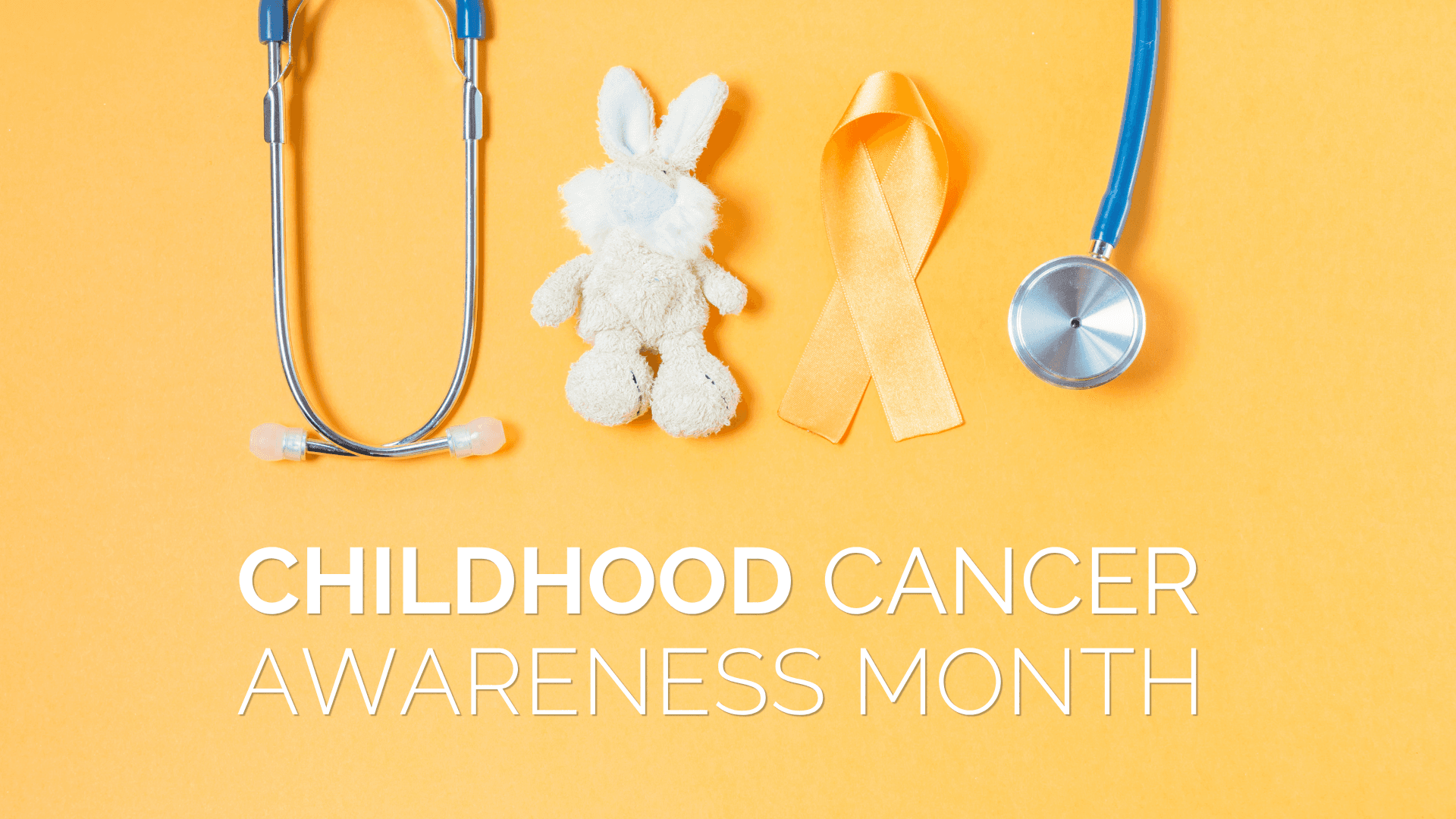
From mental health concerns to fertility preservation, adolescents and young adults with cancer require a specialized approach to treatment and survivorship care. In honor of Childhood Cancer Awareness Month, ACCC highlights a pivotal program from the University of North Carolina Lineberger Comprehensive Cancer Center and resources that meet the critical needs of these patients.

From Diagnosis to Survivorship: Understanding AML and CLL From End to End

From Diagnosis to Survivorship: Understanding AML and CLL From End to End

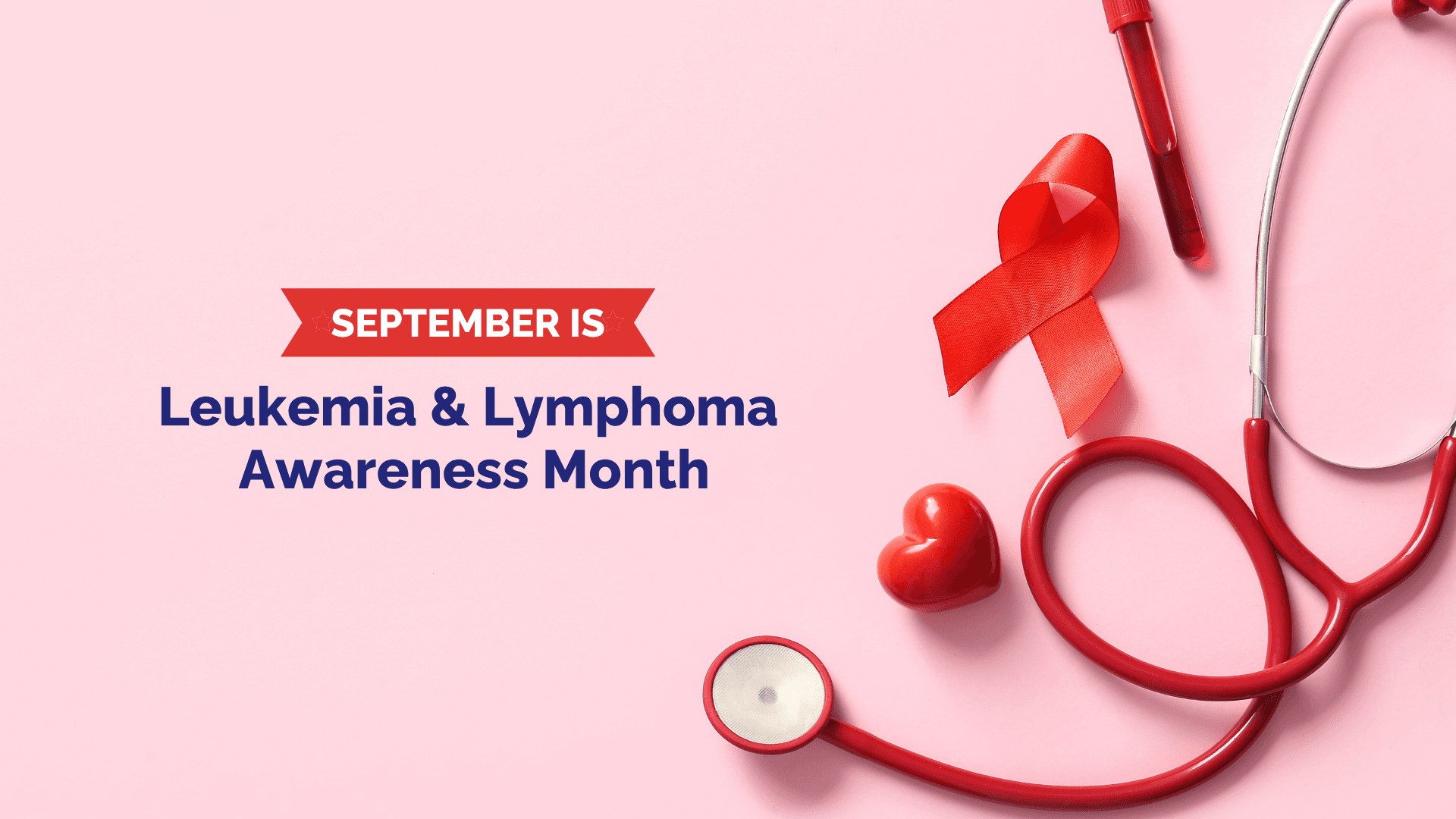
In recognition of Leukemia and Lymphoma Awareness Month, ACCC compiled a group of resources to help care teams navigate two of the most commonly diagnosed adult leukemias: acute myeloid leukemia and chronic lymphocytic leukemia.

Gynecologic Cancer Awareness Month: Expanding Access and Improving Outcomes
ACCCBuzz Blog

Gynecologic Cancer Awareness Month: Expanding Access and Improving Outcomes

Jenna Pierson; Gabrielle Stearns

September 25, 2026

ACCC’s Comments on the 2026 CMS Interim Final RuleACCCBuzz Blog

ACCC’s Comments on the 2026 CMS Interim Final Rule

Rachel Radwan

September 24, 2026

Decentralized Clinical Trials in Community Oncology: Advancing Access Requires More Than TechnologyACCCBuzz Blog

Decentralized Clinical Trials in Community Oncology: Advancing Access Requires More Than Technology

September 10, 2026

Highlights From Volume 41, Number 4 Oncology IssuesACCCBuzz Blog

Highlights From Volume 41, Number 4 Oncology Issues

Gabrielle Stearns

August 20, 2026

Transforming Access to Care Through Pre-Intake NavigationACCCBuzz Blog

Transforming Access to Care Through Pre-Intake Navigation

Rachel Radwan

August 6, 2026

An APP-Led Outpatient Bispecific Antibody ClinicACCCBuzz Blog

An APP-Led Outpatient Bispecific Antibody Clinic

Rachel Radwan

August 4, 2026

Gynecologic Cancer Awareness Month: Expanding Access and Improving Outcomes

Gynecologic Cancer Awareness Month: Expanding Access and Improving Outcomes

An at-home option for cervical cancer screening breaks down barriers to care and offers the same level of precision as screening in the clinic.

ACCC’s Comments on the 2026 CMS Interim Final Rule

ACCC’s Comments on the 2026 CMS Interim Final Rule

On June 1, 2026, CMS published its interim final rule (IFR), Medicaid Program; Community Engagement Requirement for Certain Individuals in the Federal Register, followed by a public comment period, during which time ACCC submitted a comment letter requesting amendments to the IFR.

View All ACCCBuzz Blogs

Recently Heard on
CANCER BUZZ Podcast

Bringing CAR T-Cell Therapy to the Community Setting - Mini Podcast [Ep. 242]

Embedding Local Expertise in Rural Cancer Prevention - Podcast [Ep. 241]

From Reactive to Proactive: Improving Access to Cancer Care Through Pre-Intake Navigation - [Podcast] Ep. 240

Real-World Oncology Decentralized Trials - [Video Podcast] Ep. 66

View All Podcasts

Latest from Oncology Issues

August 2026
August 2026
June 2026
April 2026
February 2026
December 2025
View All Oncology Issues

Join the Conversation

ACCC eXchange Digital Banner
Login