ACCC association of cancer care centers
Join/Renew
Login
Join/Renew
Login
Education & Resources
ACCC eXchange LogInCorporate Member Sponsored ResourcesPresentations & AbstractsPresident's ThemeACCC Connect eLearning LogIn
Publications
Oncology IssuesPatient Assistance & Reimbursement GuideTrending Now in Cancer Care
Events
2026 ACCC Leadership SummitAnnual Meeting & Cancer Center Business SummitCapitol Hill DayNational Oncology ConferenceOncology Reimbursement MeetingsOncology State Society Meetings
Policy & Advocacy
2024 Policy Wrap-Up and ACCC 2025 Policy PrioritiesLetters & StatementsAccess, Payment & Reimbursement ReformWhite Bagging & Brown BaggingAdvocacy ResourcesCancer Moonshot
Membership
Join | RenewWho We AreMembership Types & BenefitsCorporate MembersACCC Member Portal FAQMember Directory
Partners
Oncology State SocietiesPartner OrganizationsCME
News
News ReleasesAdvocacy News ReleasesOncology News
About ACCC
Timeline / 50th Anniversary2025 Impact ReportACCC Innovator AwardsACCC FellowsACCC Senior Staff
Breast CancerMetastatic Breast Cancer
Gastrointestinal CancerBiliary Tract CancerColorectal CancerGastric CancerLiver Cancer
Genitourinary CancerBladder CancerProstate CancerRenal Cell Carcinoma
Gynecologic CancerOvarian Cancer
Head & Neck Cancer
Hematologic MalignanciesAcute Lymphocytic Leukemia (ALL)Acute Myeloid Leukemia (AML)Chronic Lymphocytic Leukemia (CLL)Mantle Cell Lymphoma (MCL)Multiple Myeloma (MM)Myelodysplastic Syndromes (MDS)
Lung CancerNon-Small Cell Lung Cancer (NSCLC)Small Cell Lung Cancer (SCLC)
Sarcoma
Skin CancerMelanomaNon-Melanoma Skin Cancers (NMSC)
Clinical Practice & TreatmentCancer DiagnosticsCare CoordinationEHR Integration for Biomarker TestingQuality Improvement Collaboration: Integration of Precision Medicine in Community OncologyTreatment
Financial NavigationFAN Boot CampFinancial Advocacy Network (FAN) Resource LibraryPatient Assistance & Reimbursement GuidePrior Authorization
Health Equity & Access3, 2, 1, Go! Practical Solutions for Addressing Cancer Care DisparitiesAppalachian Community Cancer AllianceOncology Advanced PractitionersPersonalizing Care for Patients of All BackgroundsSocial Drivers of Health
Patient-Centered CareAddressing Care Disparities for VeteransAdolescent and Young Adult (AYA)Care Action Plans for People with CancerDermatologic ToxicitiesEmpowering CaregiversGeriatric OncologyHealth LiteracyNutritionOncology PharmacyPatient NavigationPsychosocial Care in OncologyShared Decision-MakingSupportive CareSurvivorship Care
Practice Management & OperationsCancer Program FundamentalsLeadership Sustainment and Engagement VideosOncology Practice Transformation and Integration CenterOncology Team Resiliency
ResearchACCC Community Oncology Research Institute (ACORI)
Technology & InnovationTelehealth & Digital Medicine
ACCCBuzz Blog
CANCER BUZZ Podcast
Oncology Issues
Join/Renew
Login
Breast CancerMetastatic Breast Cancer
Gastrointestinal CancerBiliary Tract CancerColorectal CancerGastric CancerLiver Cancer
Genitourinary CancerBladder CancerProstate CancerRenal Cell Carcinoma
Gynecologic CancerOvarian Cancer
Head & Neck Cancer
Hematologic MalignanciesAcute Lymphocytic Leukemia (ALL)Acute Myeloid Leukemia (AML)Chronic Lymphocytic Leukemia (CLL)Mantle Cell Lymphoma (MCL)Multiple Myeloma (MM)Myelodysplastic Syndromes (MDS)
Lung CancerNon-Small Cell Lung Cancer (NSCLC)Small Cell Lung Cancer (SCLC)
Sarcoma
Skin CancerMelanomaNon-Melanoma Skin Cancers (NMSC)
Clinical Practice & TreatmentCancer DiagnosticsCare CoordinationEHR Integration for Biomarker TestingQuality Improvement Collaboration: Integration of Precision Medicine in Community OncologyTreatment
Financial NavigationFAN Boot CampFinancial Advocacy Network (FAN) Resource LibraryPatient Assistance & Reimbursement GuidePrior Authorization
Health Equity & Access3, 2, 1, Go! Practical Solutions for Addressing Cancer Care DisparitiesAppalachian Community Cancer AllianceOncology Advanced PractitionersPersonalizing Care for Patients of All BackgroundsSocial Drivers of Health
Patient-Centered CareAddressing Care Disparities for VeteransAdolescent and Young Adult (AYA)Care Action Plans for People with CancerDermatologic ToxicitiesEmpowering CaregiversGeriatric OncologyHealth LiteracyNutritionOncology PharmacyPatient NavigationPsychosocial Care in OncologyShared Decision-MakingSupportive CareSurvivorship Care
Practice Management & OperationsCancer Program FundamentalsLeadership Sustainment and Engagement VideosOncology Practice Transformation and Integration CenterOncology Team Resiliency
ResearchACCC Community Oncology Research Institute (ACORI)
Technology & InnovationTelehealth & Digital Medicine
ACCCBuzz Blog
CANCER BUZZ Podcast
Oncology Issues
    • Education & Resources
    • Publications
    • Events
    • Policy & Advocacy
    • Membership
    • Partners
    • News
    • About ACCC
ACCC association of cancer care centers
1801 Research Boulevard, Suite 400, Rockville, MD 20850
Tel: 301.984.9496 Fax: 301.770.1949 Email Us
Contact UsVolunteers
Advertise
Career Center
Terms and Conditions
Privacy Policy
ACCC Rebranding
Copyright © 2026 Association of Cancer Care Centers. All Rights Reserved.
Advertisement

Blog

Article

June 8, 2023

A New Decade for Advancements in Immunotherapy

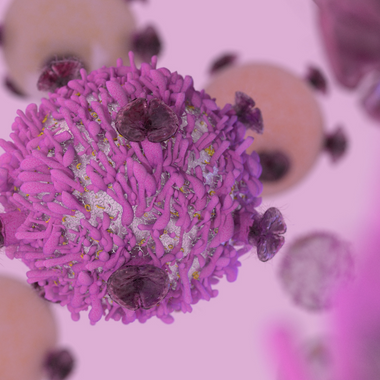
June is Cancer Immunotherapy Month, and ACCC is highlighting the important work that it and its partners are doing to increase patient access to these novel therapies.
A New Decade for Advancements in Immunotherapy

For most people, a decade marks a change in music, hairstyles, and clothing trends. But in cancer research, a decade can mean transformation in groundbreaking treatments, new standards of care, and immeasurable hope for patients.

Ten years ago, the idea of harnessing the power of one’s immune system to fight cancer cells was revolutionary. In fact, in 2013, Science named cancer immunotherapy as its “breakthrough of the year.” Today, this novel approach has been reinforced by years of successful clinical trials, and its treatments have evolved into a massive field of science. Adoptive cellular therapy, genome-targeted immunotherapy, immune checkpoint inhibitors, monoclonal antibodies, and combination therapies, while varying in approach, all aim to prompt one’s immune system to act against cancerous cells in the body.

June is Cancer Immunotherapy Month

In its 11th year, Cancer Immunotherapy Month—founded by the Cancer Research Institute—shines a light on these advanced therapies and prompts patients to have important conversations about their treatment options with their care team. It also highlights the latest and greatest in immunotherapies for oncology providers, as well as offers a platform for raising much-needed funding for immunotherapy research. According to the Cancer Research Institute, more than 30 cancers are now treatable with immunotherapy and more than 4 million patients have benefited from immunotherapy research worldwide.

How is ACCC Helping?

At the Association of Community Cancer Centers (ACCC), the Immuno-Oncology (IO) Institute continues to serve as a hub for guidance and education for the multidisciplinary cancer care team on how to navigate the implementation of new and emerging immunotherapies. Spanning care coordination and communication, the management of immune-related adverse events, novel therapies, policy and reimbursement, and survivorship, the IO Institute offers a wealth of resources for oncology providers and care team members.

This includes important work conducted by ACCC and the Society for Immunotherapy of Cancer (SITC) to promote rapid patient access to novel immunotherapies. Through a two-part series of focus groups and a joint ACCC-STIC workshop in November 2022 led by subject matter experts, including Sigrun Hallmeyer, MD, from Advocate Aurora Health; Ivo Abraham, PhD, RN, from the University of Arizona; Omid Hamid, MD, from the Angeles Clinic and Research Institute; and Jason Luke, MD, from the University of Pittsburgh Medical Center, leaders explored how to apply immunotherapy implementation best practices from academic medical centers in the community setting. This work expands upon ACCC’s efforts to prepare community-based oncology providers for bispecific antibodies, including identifying and addressing barriers to awareness, preparedness, and adoption of these therapies. Look for the complete “SITC-ACCC Expanding Access to Cellular Therapies and Bispecifics” whitepaper to understand key findings and recommendations, which is planned for release this summer, in part with ACCC’s education program Best Practices in Expanding Access to Bispecific Antibodies and Adverse Event Management.

Another ACCC education program, Bringing CAR T-Cell Therapies to Community Oncology, offers a series of featured publications and resources that are centered around the growing interest and need to bring chimeric antigen receptor (CAR) T-cell therapy to patients in the community setting, as well as the importance of establishing referral relationships and streamlined care coordination. This includes articles on optimizing care coordination, essentials for identifying patients, and spotlights on cancer programs and practices with successful care models. Look for upcoming resources on reimbursement, the financial toxicities associated with CAR T-cell therapy, and more this summer; this includes newly expanded ACCC education program offerings that are designed to aid community-based providers in identifying patients who are eligible for CAR T-cell therapy sooner and maintaining patient-provider relationships throughout the care coordination process.

For more information about the ACCC Immuno-Oncology (IO) Institute and its important work related to cancer immunotherapy, visit the ACCC website.