ACCC association of cancer care centers
Join/Renew
Login
Join/Renew
Login
Education & Resources
ACCC eXchange LogInSponsored Education from ACCC Corporate PartnersACCC eLearning LogInPresentations & Abstracts
Publications
Oncology IssuesPatient Assistance & Reimbursement GuideTrending Now in Cancer CareBusiness Case Studies for Hiring New Staff
Events
2026 ACCC Leadership SummitAnnual Meeting & Cancer Center Business SummitCapitol Hill DayNational Oncology ConferenceOncology Reimbursement MeetingsOncology State Society Meetings
Policy & Advocacy
ACCC 2026 Policy PrioritiesLetters & StatementsAccess, Payment & Reimbursement ReformWhite Bagging & Brown BaggingAdvocacy ResourcesCancer Moonshot
Membership
Join | RenewWho We AreMembership Types & BenefitsCorporate MembersACCC Member Portal FAQMember Directory
Partners
Oncology State SocietiesPartner OrganizationsCME
News
News ReleasesAdvocacy News ReleasesOncology News
About ACCC
Timeline / 50th Anniversary2025 Impact ReportPresident's ThemeACCC Innovator AwardsACCC FellowsBoard of TrusteesACCC Senior Staff
Breast CancerMetastatic Breast Cancer
Gastrointestinal CancerBiliary Tract CancerColorectal CancerGastric CancerLiver Cancer
Genitourinary CancerBladder CancerProstate CancerRenal Cell Carcinoma
Gynecologic Cancer
Head & Neck Cancer
Hematologic MalignanciesAcute Lymphocytic Leukemia (ALL)Acute Myeloid Leukemia (AML)Chronic Lymphocytic Leukemia (CLL)Mantle Cell Lymphoma (MCL)Multiple Myeloma (MM)Myelodysplastic Syndromes (MDS)
Lung CancerNon-Small Cell Lung Cancer (NSCLC)Small Cell Lung Cancer (SCLC)
Sarcoma
Skin CancerMelanomaNon-Melanoma Skin Cancers (NMSC)
Clinical Practice & TreatmentCancer DiagnosticsCare CoordinationEHR Integration for Biomarker TestingQuality Improvement Collaboration: Integration of Precision Medicine in Community OncologyTreatment
Financial NavigationFAN Boot CampFinancial Advocacy Network (FAN) Resource LibraryPatient Assistance & Reimbursement GuidePrior Authorization
Health Equity & Access3, 2, 1, Go! Practical Solutions for Addressing Cancer Care DisparitiesAppalachian Community Cancer AllianceOncology Advanced PractitionersPersonalizing Care for Patients of All BackgroundsSocial Drivers of Health
Patient-Centered CareAddressing Care Disparities for VeteransAdolescent and Young Adult (AYA)Care Action Plans for People with CancerDermatologic ToxicitiesEmpowering CaregiversGeriatric OncologyHealth LiteracyNutritionOncology PharmacyPatient NavigationPsychosocial Care in OncologyShared Decision-MakingSupportive CareSurvivorship Care
Practice Management & OperationsCancer Program FundamentalsLeadership Sustainment and Engagement VideosOncology Practice Transformation and Integration CenterOncology Team Resiliency
ResearchACCC Community Oncology Research Institute (ACORI)
Technology & InnovationTelehealth & Digital Medicine
ACCCBuzz Blog
CANCER BUZZ Podcast
Oncology Issues
Join/Renew
Login
Breast CancerMetastatic Breast Cancer
Gastrointestinal CancerBiliary Tract CancerColorectal CancerGastric CancerLiver Cancer
Genitourinary CancerBladder CancerProstate CancerRenal Cell Carcinoma
Gynecologic Cancer
Head & Neck Cancer
Hematologic MalignanciesAcute Lymphocytic Leukemia (ALL)Acute Myeloid Leukemia (AML)Chronic Lymphocytic Leukemia (CLL)Mantle Cell Lymphoma (MCL)Multiple Myeloma (MM)Myelodysplastic Syndromes (MDS)
Lung CancerNon-Small Cell Lung Cancer (NSCLC)Small Cell Lung Cancer (SCLC)
Sarcoma
Skin CancerMelanomaNon-Melanoma Skin Cancers (NMSC)
Clinical Practice & TreatmentCancer DiagnosticsCare CoordinationEHR Integration for Biomarker TestingQuality Improvement Collaboration: Integration of Precision Medicine in Community OncologyTreatment
Financial NavigationFAN Boot CampFinancial Advocacy Network (FAN) Resource LibraryPatient Assistance & Reimbursement GuidePrior Authorization
Health Equity & Access3, 2, 1, Go! Practical Solutions for Addressing Cancer Care DisparitiesAppalachian Community Cancer AllianceOncology Advanced PractitionersPersonalizing Care for Patients of All BackgroundsSocial Drivers of Health
Patient-Centered CareAddressing Care Disparities for VeteransAdolescent and Young Adult (AYA)Care Action Plans for People with CancerDermatologic ToxicitiesEmpowering CaregiversGeriatric OncologyHealth LiteracyNutritionOncology PharmacyPatient NavigationPsychosocial Care in OncologyShared Decision-MakingSupportive CareSurvivorship Care
Practice Management & OperationsCancer Program FundamentalsLeadership Sustainment and Engagement VideosOncology Practice Transformation and Integration CenterOncology Team Resiliency
ResearchACCC Community Oncology Research Institute (ACORI)
Technology & InnovationTelehealth & Digital Medicine
ACCCBuzz Blog
CANCER BUZZ Podcast
Oncology Issues
    • Education & Resources
    • Publications
    • Events
    • Policy & Advocacy
    • Membership
    • Partners
    • News
    • About ACCC
ACCC association of cancer care centers
5425 Wisconsin Ave #600, Chevy Chase, MD 20815
Tel: 301.984.9496 Email Us
Contact UsVolunteers
Advertise
Career Center
Terms and Conditions
Privacy Policy
ACCC Rebranding
Copyright © 2026 Association of Cancer Care Centers. All Rights Reserved.
HomeCANCER BUZZ Podcast

Expediting Cancer Treatment Through a Rapid Access APP-Led Diagnostic Clinic — [PODCAST] EP 92

August 30, 2022

People were avoiding hospitals during COVID-19, which could have impacted cancer detection rates. The James Cancer Hospital opened a new facility where patients can receive several services in one place.

Find the CANCER BUZZ podcast on Apple Podcasts, Spotify, or wherever you get your podcasts!

In the summer of 2020, staff at The Ohio State University Comprehensive Cancer Center – James Cancer Hospital and Solove Research Institute in Columbus, Ohio, realized that many patients experiencing symptoms for cancer and those who needed further evaluation to reach a diagnosis were now actively avoiding the hospital given the COVID-19 pandemic. The underlying concern: the global pandemic might result in more patients presenting with late-stage disease that could have been diagnosed earlier. To fill this care gap, The James Cancer Hospital opened a new set of front doors to its facility—The James Cancer Diagnostic Center—where patients can be evaluated, diagnosed, and treated all under one roof.

Guest:

Raquel Reinbolt, MD
Medical Director
The Ohio State University Comprehensive Cancer Center – James Cancer Hospital and Solove Research Institute

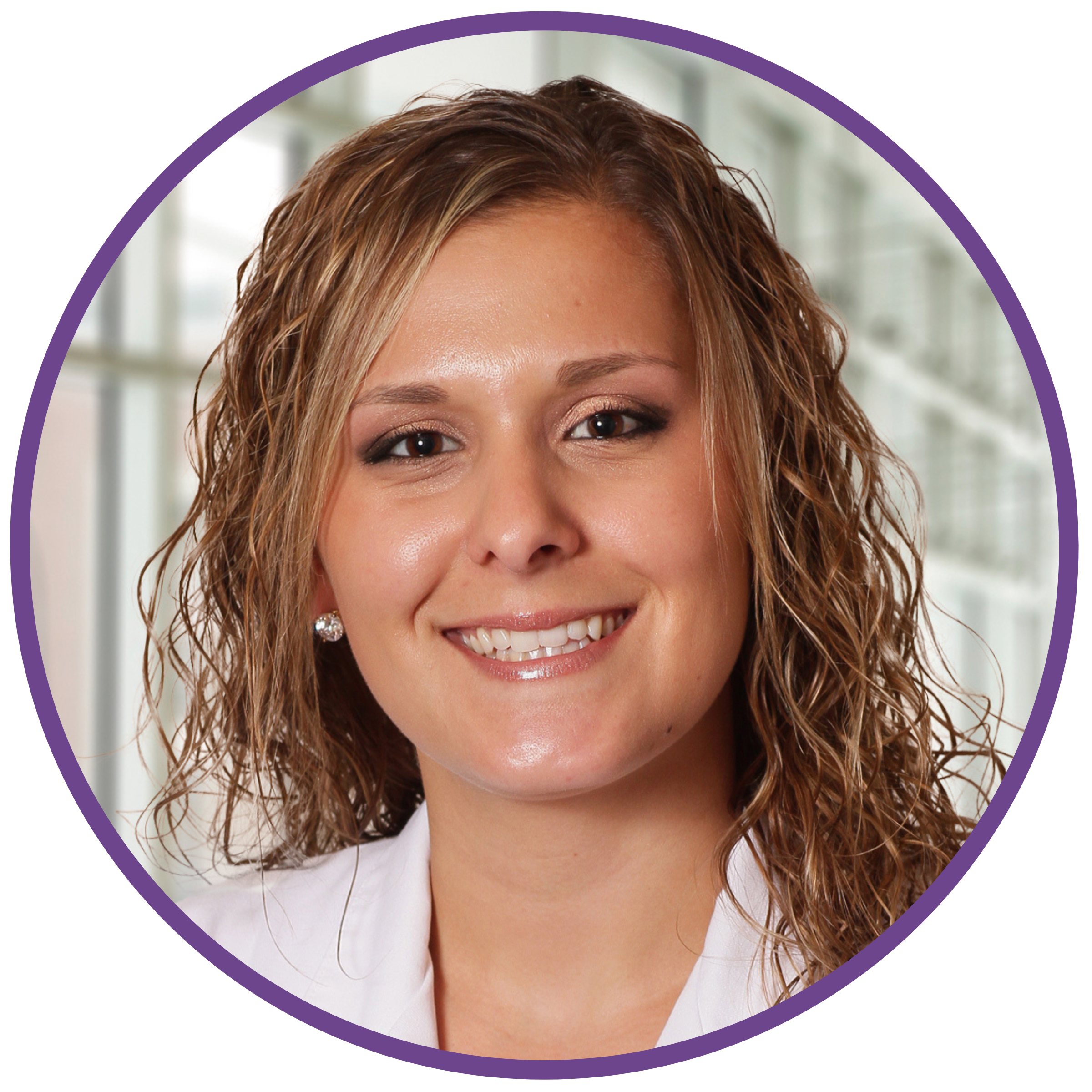
“I think our team wins every day when we’re able to say, ‘We don’t believe this is cancer.’ But, at the same point, if we are making that diagnosis…I think the team does a great job in trying to walk the patient through that part of their journey.”

Resources:

  • Rapid Access Diagnostic Clinic Expedites Cancer Treatment
  • 2022 ACCC Innovator Award Details
  • ACCC 39th National Oncology Conference
  • ACCC Forms Alliance to Improve Cancer Care Continuum
  • Genetic Counseling in Cancer Care
  • Bridging the Gap: Early Detection of cancer for the Medically Underserved

This podcast is part of a special series on the 2022 ACCC Innovator Award winners. For a deeper dive into this content, visit ACCC’s Innovator Award website.

Transcript

CANCER BUZZ: Welcome back to CANCER BUZZ, I'm your host Summer Johnson. On today's mini episode, a clinic that offers patients with a concern for cancer access to same day or next day diagnostic testing. Since 2011, the ACCC Innovator Awards have recognized ACCC Member Programs that are developing cost effective solutions to patient-centered care. This episode is part of a CANCER BUZZ series highlighting the 2022 winners.

The Ohio State University Comprehensive Cancer Center – James Cancer Hospital and Solove Research Institute in Columbus saw an opportunity to extend its oncology services and include diagnostic testing and evaluation. Patients can now get testing and treatment under one roof, right in the James Cancer Hospital.

Dr. Raquel Reinbolt is the Medical Director leading this program.

Raquel Reinbolt, MD: I'm a medical oncologist by training, and many of our patients, you know, someone has a concern for cancer. Perhaps they go to the ER because they have a cough or a cold, they get an x-ray done. And then suddenly there's a spot in the lung that we're not sure what that is. Patients might be discharged from the emergency department and they don't necessarily have a plan or a follow-up of where to go next to get that evaluated. You know, oftentimes to get into a medical oncology clinic, you have to have a tissue or pathologic diagnosis saying, indeed, this is confirmed lung cancer.

You know, now we can see you and talk about treatment plans, et cetera, but what happens in between that space? Some patients aren't well connected with primary care, so they might not have a physician to go to, to get those next steps. Some are, but there's opportunities that we can provide additional assistance since, you know, cancer is our business. And so, you know, this is a great opportunity to help bridge that gap. When patients have a concern for cancer, whether that be a physical exam, finding a lab, finding an imaging findings, such as the example I just gave and saying, how do we walk you through the diagnostics that we need to get to get an answer and to hopefully reassure you.

Or in the instances we do make a cancer diagnosis, we want to make sure we get all of that information wrapped up for the specialist. So they can then really focus their energies on talking about the next steps and getting you to treatment. So that's a lot of where this came from. Certainly, I think the idea was accelerated in June of 2020 because of the pandemic. You know, we saw a lot of patients were avoiding coming to the ER or coming to their doctors and kind of maybe some folks were ignoring signs or symptoms that were worrisome. We wanted to offer patients a different way to get evaluated for these concerns. And that's one reason while this is something we offer in-person as well as virtual to try to accommodate patients where they're at.

CANCER BUZZ: Are you tracking patient outcomes and then the impact on your cancer center?

Raquel Reinbolt, MD: That is something we're working on. We have a dashboard in place. Of course, you know, data is tricky to capture. You know, we've been fortunate to be able to track kind of, you know, how many patients we've seen, how that's evolved over time. We've seen almost a thousand new patients now since opening of June of 2020. So that's very exciting. We're very interested to understand what happens to those patients and are looking for, you know, additional ways to define, you know, how many patients did we diagnose with cancer? How many do we not, what were the final outcomes? So that's something I would say we're perfecting still, but very much interested in keeping an eye on

CANCER BUZZ: Dr. Reinbolt, during the pandemic, everyone on the cancer team is trying to do all sorts of things; learn tele-health continued to service patients and adapting to the pandemic. How was the new clinic received by the members of your team at that time?

Raquel Reinbolt, MD: I'll say to the internal team that worked to put this together, it was an incredible collaboration with a lot of different areas. You know, certainly it patient access, you know, not only our sub-specialty physicians, but advanced practice providers, nursing, et cetera, et cetera. So it was a really nice collaborative approach within all of those teams to get this launched. I'll just spend a moment and speaking to kind of our so specialty team engagement, you know, part of the goal is if we are diagnosing someone with cancer, we want to make sure we have all of, or at least nearly all of the diagnostics necessary to complete.

By the time we send them onto a subspecialist. So they're not having to waste time ordering those things and further delaying treatment. So we engage them from the beginning to help us refine our kind of protocols or algorithms when a patient came in with a specific concern to ensure that, you know, we were being as comprehensive as possible from that regard, when I speak to taking this and broadcasting it to our larger team outside of the cancer center, even itself, we've had great responses from our primary care providers.

So internal medicine, as well as family medicine, we've had referrals even from other specialties, you know, coming in. And so we've certainly made an effort to do some outreach in those spaces, in the community.

CANCER BUZZ: You are doing outreach with primary care providers, but patients don't need a physician referral. Is that correct?

Raquel Reinbolt, MD: You do not know. Patients can certainly self-referral. We do have a, you know, a phone number that they call in and then we try to get them in, you know, within 24 to 72 hours. Sometimes it is same day. Sometimes it's a little bit longer. Certainly that's our goal is to have that rapid turnaround, but of course, you know, patient preference, et cetera. And as the clinic's gotten busier, we want to certainly work to continue to maintain that, you know, open opportunities for appointments.

CANCER BUZZ: What does the staffing look like in the diagnostic center?

Raquel Reinbolt, MD: It is an advanced practice provider—or APP—run clinic. I am the Medical Director for, and certainly back them up for challenging cases, but we also work closely with our specialists. So if there's any question of how to proceed or, you know, what diagnostics are most appropriate here, we have some wonderful relationships that we've established from, as I said, from the get-go with our subspecialty teams, but our APPs really run the show in the clinic. They work very closely with our nurses who do just a tremendous job of walking the patient through the process.

It's oftentimes a time of high anxiety for our patients. You leave the ER kind of lost or nervous about, “How do I figure this out?” And so our team does a really great job of helping to set expectations and anticipate next steps, et cetera.

CANCER BUZZ: What kind of impact has the center had on your own personal job satisfaction and that of your team?

Raquel Reinbolt, MD: It's incredibly meaningful. You know, when you think about a family member who has a concern, some symptom it's been bothering them, they just can't get it sorted out, or they're not getting the answers they need to, and you're able to make a connection and get them to kind of a plan. And next steps are at least able to say, we can take this off the table. We don't think it's this that's causing your concern. I think that's incredibly rewarding. I think our team wins every day when we're able to say we don't lead this as cancer. But at the same point, if we are making that diagnosis, I'm biased, of course, but I think the team does a great job in trying to walk the patient through that part of their journey.

CANCER BUZZ: If you'd like to learn more about the James Cancer Hospital and Solove Research Institute, make plans to join your oncology colleagues at the upcoming annual ACCC 39th National Oncology Conference. That's October 12th through the 14th in West Palm Beach. There's more information and a link to register in the show notes. Until next time for the CANCER BUZZ team, this is Summer Johnson.

CANCER BUZZ is a resource of the Association of Cancer Care Centers (ACCC).

The views and opinions expressed herein are those of the author(s)/faculty member(s) and do not reflect the official policy or position of their employer(s) or the Association of Cancer Care Centers.

Related Content

Embedding Local Expertise in Rural Cancer Prevention - Podcast [Ep. 241]

September 10, 2026

From Reactive to Proactive: Improving Access to Cancer Care Through Pre-Intake Navigation - [Podcast] Ep. 240

August 27, 2026

Real-World Oncology Decentralized Trials - [Video Podcast] Ep. 66

August 20, 2026

Upcoming Events

ACCC 43rd National Oncology Conference

ACCC 43rd National Oncology Conference

In Person October 21, 2026 at 8:00 AM EDT450 Summer St, Boston, MA 02210, USAOmni Boston Hotel at the Seaport, Boston
Register Now!
ACCC Oncology Reimbursement Meeting | Reno

ACCC Oncology Reimbursement Meeting | Reno

In Person November 4, 2026 at 8:00 AM EST255 North Virginia Street, Reno, NV, USAWhitney Peak Hotel Reno, Tapestry Collection by Hilton,
Register Now!
ACCC Oncology Reimbursement Meeting | Providence

ACCC Oncology Reimbursement Meeting | Providence

In Person November 10, 2026 at 8:00 AM EST5 Avenue of the Arts, Providence, RI, USARenaissance Providence Downtown Hotel,
Register Now!
TxSCO 2026 Annual Conference
Oncology

TxSCO 2026 Annual Conference

In Person Conference & ConventionSeptember 18, 2026 at 6:00 PM CDT501 Gaylord Trail, Grapevine, TX, USAGaylord Texan Resort & Convention Center, Grapevine
Register Now!
KYSCO 2026 Fall Oncology Review
Oncology

KYSCO 2026 Fall Oncology Review

In Person Conference & ConventionSeptember 19, 2026 at 7:00 AM EDT500 S 4th St, Louisville, KY, USAThe Seelbach Hilton Louisville, Louisville
Register Now!
ESHOS Horizons 2026
Oncology

ESHOS Horizons 2026

In Person Conference & ConventionSeptember 19, 2026 at 7:30 AM EDT1 Liberty Street, New York, NY, USAConvene at One Liberty Plaza, New York
Register Now!
MSOS 2026 Bozeman Meeting
Oncology

MSOS 2026 Bozeman Meeting

In Person Meeting & NetworkingSeptember 22, 2026 at 5:30 PM EDT5 W Mendenhall St suite 102, Bozeman, MT 59715, USA Urban Kitchen, Bozeman
Register Now!
MSCO 2026 Fall Conference
Oncology

MSCO 2026 Fall Conference

In Person Conference & ConventionSeptember 22, 2026 at 5:00 PM CDT1500 Park Pl Blvd, Minneapolis, MN, USADoubleTree by Hilton Hotel Minneapolis - Park Place, Minneapolis
Register Now!
HSCO 2026 September Dinner Symposium
Oncology

HSCO 2026 September Dinner Symposium

In Person Conference & ConventionSeptember 23, 2026 at 5:30 PM HST3660 Waialae Ave, Honolulu, HI, USA3660 On The Rise, Honolulu
Register Now!
RIOS Fall Meeting
Oncology

RIOS Fall Meeting

In Person Conference & ConventionSeptember 25, 2026 at 5:30 PM EDT139 Mathewson Street, Providence, RI, USAHotel Providence, Providence
Register Now!
Advertisement
Advertisement

Trending Now on
ACCCBuzz Blog

Decentralized Clinical Trials in Community Oncology: Advancing Access Requires More Than Technology

Decentralized Clinical Trials in Community Oncology: Advancing Access Requires More Than Technology

Decentralized clinical trial approaches, including remote consent, telehealth, local laboratory and imaging services, and more, can help reduce some of the many barriers that prevent eligible patients from participating in trials. But as the participants in ACCC’s Advancing Decentralized Clinical Trials in the Community Setting Roundtable Series emphasized, implementing DCT elements is not simply a matter of adopting new technology. Doing so successfully requires thoughtful workflows and oversight structures that consider equity, scalability, and sustainability.

Highlights From Volume 41, Number 4 Oncology Issues

Highlights From Volume 41, Number 4 Oncology Issues

From precision medicine to psychosocial care to navigation for a diverse population, the latest issue Oncology Issues brings insights into not just institutional and administrative barriers to treatment, but areas of care that directly impact the lived experience of those navigating the cancer care continuum.

The Real Cost of Cancer: Financial Toxicity, Transportation Challenges, and Access Gaps – [Video Podcast] Ep. 65

August 19, 2026

Closing the Gap in Medical Necessity Review With a Clinical Documentation Integrity Registered Nurse - [Mini Podcast] Ep. 239

August 18, 2026

Utilizing APPs to Deliver Bispecific Antibodies in the Outpatient Setting - [Mini Podcast] Ep. 238

August 7, 2026

Between the Orders and the Infusion: The Patient Experience of Bispecific Antibodies - [Podcast] Ep. 237

August 4, 2026

Centering Compassion in Cancer Care – [Video Podcast] Ep. 64

July 29, 2026

Transforming Access to Care Through Pre-Intake Navigation

Transforming Access to Care Through Pre-Intake Navigation

The University of Texas MD Anderson Cancer Center in Houston, Texas, developed a novel Pre-Intake Navigation (PIN) program, which identifies and resolves early financial and insurance barriers, enabling patients to access timely, high-quality cancer care with less anxiety and fewer delays. PIN shifts financial navigation from a late-stage, reactive task to an early, standardized, patient‑centered process embedded in the call center workflow.

An APP-Led Outpatient Bispecific Antibody Clinic

An APP-Led Outpatient Bispecific Antibody Clinic

Understanding both the benefits to be had from offering BsAb therapy to its community and the scope of this undertaking, Vanderbilt-Ingram Cancer Center took a novel approach with its APP-led BsAb step-up dosing clinic, which won the program a 2026 ACCC Innovator Award.

View All ACCCBuzz Blogs

Join the Conversation

ACCC eXchange Digital Banner
Login