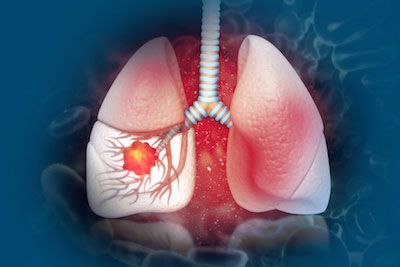
Non-small cell lung cancer accounts for over 80 percent of all newly diagnosed cases of lung cancer. Growing knowledge of non-small cell lung cancer subtypes and molecular biomarkers for this disease has led to changes in how non-small cell lung cancer is diagnosed and staged. This has resulted in more complex treatment planning and decision-making, particularly for patients diagnosed with locally advanced Stage III and metastatic Stage IV disease. Although more treatment options are now available for these patients, fragmentation in the U.S. healthcare system can often impede consistent access to optimal care for patients diagnosed with locally advanced or metastatic lung cancer.
Wendi Waugh, Southern Ohio Medical Center, shares three key elements for quality improvement success.
In response to these challenges, ACCC conducted a national multi-phase effort to provide guidance on key issues related to the optimization of care for patients diagnosed with Stages III and IV non-small cell lung cancer. The project explored coordination and communication within the multidisciplinary cancer care team to understand existing barriers and create and execute process improvement plans.
In part with this initiative, an ACCC Steering Committee of experts selected six ACCC Cancer Program Members—from a variety of settings and locations across the United States—to participate in a six-month process improvement initiative. Recommended process improvements included optimizing biomarker testing, monitoring patients for immune-mediated adverse reactions, and engaging cancer care team members to increase palliative care and reduce unnecessary emergency department utilization.
For more information on this project, please contact the ACCC Provider Education department.
ACCC and its multidisciplinary Steering Committee disseminated a double-blind, national online survey in 2019 to its membership to assess how patients with stage III and IV NSCLC are diagnosed and managed. Six cancer programs—from a variety of settings and locations across the United States—were selected from the applicants to participate in a six-month process improvement initiative.
FirstHealth Moore Regional Hospital developed an improved workflow that incorporated better communication between pulmonology and pathology, which reduced delays and variation in biomarker test ordering patterns.
O’Neal Comprehensive Cancer Center at the University of Alabama improved how they identified and managed immune-related adverse events associated with the use of immune checkpoint inhibitors in patients with advanced lung cancer.
Saint Francis Cancer Center focused their efforts on symptom identification, assessment, monitoring, and management. Their clinicians also improved patient communication and recognized when a palliative care consult may be beneficial.
Southern Ohio Medical Center improved the process of tracking and communicating NSCLC biomarker test results. They have also focused efforts on care coordination to recognize and prevent unnecessary ED visits.
Sutter Medical Center increased access to phase I clinical trials for patients with advanced NSCLC and improved the referral process for smoking cessation consultations for patients with lung cancer.
Tennessee Oncology refined an electronic workflow to standardize and streamline the process of ordering biomarker tests for patients with advanced NSCLC.
Communities around the globe recognize August 1 as World Lung Cancer Day—a day to commemorate, educate, and support individuals and families impacted by lung cancer. Read highlights on a few ACCC initiatives that are helping cancer care teams better support their patients with this disease.
Lung cancer is the leading cause of cancer death and the second-most common cancer detected in both men and women in the U.S. Lung cancer accounts for nearly 25% of all cancer deaths in this country. According to estimates by the American Cancer Society, 235,760 patients will be diagnosed with lung cancer, and 131,880 patients will die of the disease in 2021.

There remains an overarching need to identify and provide guidance on key issues related to the optimal care of patients with NSCLC across different community cancer programs/settings in the U.S. To address this need, a multiphase project was implemented by ACCC and its partner organizations, with the main goal being to support the optimization of care for patients diagnosed with stage III and IV NSCLC.

An expert ACCC Steering Committee shares 32 informed treatment and care delivery recommendations for the ideal care of patients with non-small cell lung cancer.
Presented at the 2021 ASCO Quality Care Symposium, September 24 - 25, 2021.
August 1 marks World Lung Cancer Day. Long at the forefront of teaching multidisciplinary cancer care teams about how to best implement new and evolving lung cancer therapies into their programs and practices, ACCC shares several of its current initiatives to promote optimal lung cancer care delivery.

This ACCC education program shares key highlights from a national survey of thoracic surgeons, radiation oncologists, and medical oncologists on the barriers that exist in the ideal management of patients with NSCLC.