ACCC association of cancer care centers
Join/Renew
Login
Join/Renew
Login
Education & Resources
ACCC eXchange LogInCorporate Member Sponsored ResourcesPresentations & AbstractsPresident's ThemeACCC Connect eLearning LogIn
Publications
Oncology IssuesPatient Assistance & Reimbursement GuideTrending Now in Cancer Care
Events
2026 ACCC Leadership SummitAnnual Meeting & Cancer Center Business SummitCapitol Hill DayNational Oncology ConferenceOncology Reimbursement MeetingsOncology State Society Meetings
Policy & Advocacy
2024 Policy Wrap-Up and ACCC 2025 Policy PrioritiesLetters & StatementsAccess, Payment & Reimbursement ReformWhite Bagging & Brown BaggingAdvocacy ResourcesCancer Moonshot
Membership
Join | RenewWho We AreMembership Types & BenefitsCorporate MembersACCC Member Portal FAQMember Directory
Partners
Oncology State SocietiesPartner OrganizationsCME
News
News ReleasesAdvocacy News ReleasesOncology News
About ACCC
Timeline / 50th Anniversary2025 Impact ReportACCC Innovator AwardsACCC FellowsACCC Senior Staff
Breast CancerMetastatic Breast Cancer
Gastrointestinal CancerBiliary Tract CancerColorectal CancerGastric CancerLiver Cancer
Genitourinary CancerBladder CancerProstate CancerRenal Cell Carcinoma
Gynecologic CancerOvarian Cancer
Head & Neck Cancer
Hematologic MalignanciesAcute Lymphocytic Leukemia (ALL)Acute Myeloid Leukemia (AML)Chronic Lymphocytic Leukemia (CLL)Mantle Cell Lymphoma (MCL)Multiple Myeloma (MM)Myelodysplastic Syndromes (MDS)
Lung CancerNon-Small Cell Lung Cancer (NSCLC)Small Cell Lung Cancer (SCLC)
Sarcoma
Skin CancerMelanomaNon-Melanoma Skin Cancers (NMSC)
Clinical Practice & TreatmentCancer DiagnosticsCare CoordinationEHR Integration for Biomarker TestingQuality Improvement Collaboration: Integration of Precision Medicine in Community OncologyTreatment
Financial NavigationFAN Boot CampFinancial Advocacy Network (FAN) Resource LibraryPatient Assistance & Reimbursement GuidePrior Authorization
Health Equity & Access3, 2, 1, Go! Practical Solutions for Addressing Cancer Care DisparitiesAppalachian Community Cancer AllianceOncology Advanced PractitionersPersonalizing Care for Patients of All BackgroundsSocial Drivers of Health
Patient-Centered CareAddressing Care Disparities for VeteransAdolescent and Young Adult (AYA)Care Action Plans for People with CancerDermatologic ToxicitiesEmpowering CaregiversGeriatric OncologyHealth LiteracyNutritionOncology PharmacyPatient NavigationPsychosocial Care in OncologyShared Decision-MakingSupportive CareSurvivorship Care
Practice Management & OperationsCancer Program FundamentalsLeadership Sustainment and Engagement VideosOncology Practice Transformation and Integration CenterOncology Team Resiliency
ResearchACCC Community Oncology Research Institute (ACORI)
Technology & InnovationTelehealth & Digital Medicine
ACCCBuzz Blog
CANCER BUZZ Podcast
Oncology Issues
Join/Renew
Login
Breast CancerMetastatic Breast Cancer
Gastrointestinal CancerBiliary Tract CancerColorectal CancerGastric CancerLiver Cancer
Genitourinary CancerBladder CancerProstate CancerRenal Cell Carcinoma
Gynecologic CancerOvarian Cancer
Head & Neck Cancer
Hematologic MalignanciesAcute Lymphocytic Leukemia (ALL)Acute Myeloid Leukemia (AML)Chronic Lymphocytic Leukemia (CLL)Mantle Cell Lymphoma (MCL)Multiple Myeloma (MM)Myelodysplastic Syndromes (MDS)
Lung CancerNon-Small Cell Lung Cancer (NSCLC)Small Cell Lung Cancer (SCLC)
Sarcoma
Skin CancerMelanomaNon-Melanoma Skin Cancers (NMSC)
Clinical Practice & TreatmentCancer DiagnosticsCare CoordinationEHR Integration for Biomarker TestingQuality Improvement Collaboration: Integration of Precision Medicine in Community OncologyTreatment
Financial NavigationFAN Boot CampFinancial Advocacy Network (FAN) Resource LibraryPatient Assistance & Reimbursement GuidePrior Authorization
Health Equity & Access3, 2, 1, Go! Practical Solutions for Addressing Cancer Care DisparitiesAppalachian Community Cancer AllianceOncology Advanced PractitionersPersonalizing Care for Patients of All BackgroundsSocial Drivers of Health
Patient-Centered CareAddressing Care Disparities for VeteransAdolescent and Young Adult (AYA)Care Action Plans for People with CancerDermatologic ToxicitiesEmpowering CaregiversGeriatric OncologyHealth LiteracyNutritionOncology PharmacyPatient NavigationPsychosocial Care in OncologyShared Decision-MakingSupportive CareSurvivorship Care
Practice Management & OperationsCancer Program FundamentalsLeadership Sustainment and Engagement VideosOncology Practice Transformation and Integration CenterOncology Team Resiliency
ResearchACCC Community Oncology Research Institute (ACORI)
Technology & InnovationTelehealth & Digital Medicine
ACCCBuzz Blog
CANCER BUZZ Podcast
Oncology Issues
    • Education & Resources
    • Publications
    • Events
    • Policy & Advocacy
    • Membership
    • Partners
    • News
    • About ACCC
ACCC association of cancer care centers
1801 Research Boulevard, Suite 400, Rockville, MD 20850
Tel: 301.984.9496 Fax: 301.770.1949 Email Us
Contact UsVolunteers
Advertise
Career Center
Terms and Conditions
Privacy Policy
ACCC Rebranding
Copyright © 2026 Association of Cancer Care Centers. All Rights Reserved.
Advertisement

Blog

Article

November 17, 2021

ACCC Recognizes Lung Cancer Awareness Month

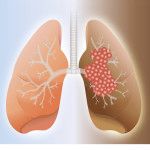
Lung cancer is the leading cause of cancer death and the second-most common cancer detected in both men and women in the U.S. Lung cancer accounts for nearly 25% of all cancer deaths in this country. According to estimates by the American Cancer Society, 235,760 patients will be diagnosed with lung cancer, and 131,880 patients will die of the disease in 2021.
ACCC Recognizes Lung Cancer Awareness Month

Lung Cancer Awareness Month, observed each November, is a reminder to educate the public about the potential signs, symptoms, and risk factors of lung cancer. It also presents an opportunity to promote the importance of lung screening, since the symptoms of lung cancer often first appear at advanced stages.

Lung cancer is the leading cause of cancer death and the second-most common cancer detected in both men and women in the U.S. Lung cancer accounts for nearly 25% of all cancer deaths in this country. According to estimates by the American Cancer Society, 235,760 patients will be diagnosed with lung cancer, and 131,880 patients will die of the disease in 2021.

Cigarette smoking, linked to approximately 80% to 90% of lung cancer deaths, is the most common cause of lung cancer. Pipes and cigars also increase the risk for lung cancer, as does having a family history of the disease, receiving radiation therapy to the chest area, and being exposed to secondhand smoke, asbestos, nickel, chromium, and soot.

There are two types of lung cancer: non-small cell lung cancer (NSCLC) and small cell lung cancer (SCLC). Non-small cell lung cancer, a slowly progressing cancer with few to no symptoms well into advanced stages, accounts for 80% to 85% of patient diagnoses. Small cell lung cancer, a rapidly growing and spreading disease, accounts for 10% to 15% of lung cancer diagnoses.

Most patients with lung cancer do not present with any symptoms until the disease is at an advanced stage. Signs and symptoms of lung cancer may include a recent, chronic cough that will not improve; shortness of breath; coughing up blood; chest pain; hoarseness; and wheezing. Warning signs that cancer cells have potentially spread to other body parts may include inexplicable bone (e.g., hips or back) pain; changes to the nervous system (e.g., chronic headaches, numbness in the arms/legs, balance problems, dizziness, or seizures); jaundice; and swollen lymph nodes.

ACCC Work in Lung Cancer

ACCC is committed to cultivating innovative tools and education to help providers integrate precision medicine into their programs and practices. With several projects addressing small-cell and non-small cell lung cancers, ACCC continues to cultivate new resources for cancer practices and programs that focus on multidisciplinary approaches to caring for patients, including:

  • Fostering Excellence in Care and Outcomes in Patients With Stage III and IV NSCLC: Growing knowledge of NSCLC subtypes and molecular biomarkers for this disease has led to changes in how non-small cell lung cancer is diagnosed and staged, resulting in more complex treatment planning and decision-making, particularly for patients diagnosed with locally advanced Stage III and metastatic Stage IV disease. Although more treatment options are now available for these patients, fragmentation in the U.S. healthcare system can often impede access to optimal care. ACCC has conducted a national, multi-phase effort to provide guidance on key issues related to the optimization of care for patients diagnosed with Stages III and IV NSCLC. To achieve this goal, the project used selection criteria to choose and offer quality improvement assistance to six ACCC cancer program members. Process improvements were made to optimize biomarker testing, monitor patients for immune-mediated adverse reactions, and engage cancer care team members to increase palliative care and reduce unnecessary emergency department use.

  • Patient-Centered Small Cell Lung Cancer Care: Insights from Patient- and Provider-Facing Surveys: New and evolving advances in lung cancer screening and treatment modalities have provided innovative options for patients with SCLC, but given the complexity of care required for this patient population, significant needs remain unmet. Using real-world data, this project will aim to address disparities in cancer care delivery, uncover barriers in care delivery, and find solutions to improve quality of life for patients with SCLC. ACCC will develop and facilitate surveys for both patients and providers to raise awareness of the patient experience, dispel myths and misconceptions, understand guideline-discordant treatment plans, and identify challenges and uncover gaps in achieving optimal care.

  • Changing Care Patterns for Patients With Early-stage Non-small Cell Lung Cancer: New research suggests there may be a potential role for epidermal growth factor receptor (EGFR) tyrosine kinase inhibitors (TKIs) in patients with early-stage, resected EGFR mutation-positive NSCLC. However, biomarker testing is not currently the standard of care for this patient population. Through this project, ACCC will create materials to provide a baseline understanding of the evolving data regarding biomarker testing and the treatment of patients with early-stage NSCLC. To accomplish this, ACCC will launch a national initiative to identify and provide guidance on key factors related to the ideal care of patients diagnosed with early-stage NSCLC. This can better enable multidisciplinary cancer care teams to understand and address existing barriers to care.

Learn more about ACCC's lung cancer-related projects and tools:
  • ACCC Lung Screening Program Tools
  • 6 Steps to Improve Care Coordination
  • Best Practices in Early-Stage NSCLC
  • Advanced NSCLC Biomarker Testing
  • Biomarker Testing Implementation Roadmap for Advanced NSCLC
  • Understanding & Improving Lung Cancer Treatment in Asian Americans & Pacific Islanders in the Community Setting
  • NSCLC Resource Library