The VCU Massey Cancer Center incorporated a legal service at their center because more work had to be done to address social determinants of health rooted in legal problems in order to offer comprehensive services that met the full gamut of its patients’ needs.
This blog post is the first of a five-part series highlighting the achievements of the 2022 ACCC Innovator Award winners before their in-depth sessions at the ACCC 39th National Oncology Conference. You can learn more about the innovations being recognized this year and the people who pioneered them by joining ACCC in West Palm Beach, Fla., on October 12-14, 2022.
While patients with cancer face many physical and psychological challenges associated with their disease and/or treatment, their social, emotional, and legal needs can lead to ongoing health disparities and reduced quality of life if left unaddressed. This scenario is especially true for cancer programs across the United States that treat underserved patients, including geographic areas comprised of low-income populations.
At Virginia Commonwealth University (VCU) Health System, VCU Massey Cancer Center, staff understood that their patients have considerable psychosocial needs because it is Virginia’s largest safety-net hospital, serving the city of Richmond and beyond. Massey’s providers see patients who have low incomes and diverse backgrounds, including racially and ethnically diverse populations. Further, the cancer center recognized that more was needed to address social determinants of health rooted in legal problems in order to offer comprehensive services that met the full gamut of its patients’ needs.
The Solution
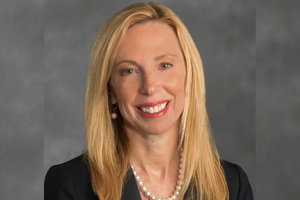
In 2014, Allison Held, JD, was on the board of CancerLINC, a local non-profit organization that connects patients with cancer and their families with legal, financial, and community resources. After reading about medical-legal partnerships in the news, Held approached fellow board member Mary Ann Hager, who was an associate director at Massey at the time. “We were already doing this work at CancerLINC—providing legal services to patients with cancer,” Held said. “But we were not integrated within a hospital, and we should be.”
To better address the needs that contribute to health disparities and that have a legal remedy, Held and her colleagues designed and implemented a comprehensive medical-legal partnership at VCU Health System in partnership with CancerLINC. “We are fully integrated into Massey’s clinical workflow,” Held explains. “We consider lawyers to be part of the clinical team to address those legal issues that affect our patients’ health and well-being.” Through this partnership, Held and her colleagues assist patients with estate planning like bedside wills, powers of attorney, and advance directives as well as insurance and employment (e.g., Family and Medical Leave Act, wage loss, etc.), housing, consumer, family, immigration, and education law issues.
The medical-legal partnership also works with local organizations like CancerLINC to support patients with cancer with other financial and community-based needs. “This assistance gives people peace of mind. The realization that their families are taken care of, so the patient can focus on getting well and being with their loved ones,” says Held.
Multidisciplinary Cancer Care
What makes this medical-legal partnership unique is that Held is now employed by the health system—she is the associate general counsel and director of the medical-legal partnership at VCU—and its budget is covered under the health system’s operating budget. “Based on my research and experience, I believed that the medical-legal partnership should be based at VCU,” Held said. “It's part of what we do as a health system, and our services are not subject to the whims of state and federal government in terms of funding for legal aid organizations.” Therefore, patients being treated at VCU receive support services from this medical-legal partnership without worry that federal or state policy changes will impact how the health system can use their funds.
Because legal services are not traditionally provided by hospitals, adding lawyers to the healthcare team can be challenging. “It’s important to ensure that clinicians understand how lawyers can help their patients and to make clear that we don’t take malpractice cases,” Held explained. In addition to providing direct services to patients, Held and her team meet with healthcare team members regularly to advise on specific areas of law that affect patients and provide substantive training on how to distinguish between social and legal needs. “It's important that we're getting in front of providers and staff to remind them of the services we provide and how we can help our patients.” Held said.
Is This Replicable?
Though medical-legal partnerships are not new to the healthcare setting and can be replicated in other cancer programs, Held emphasizes that each will look different and come with a set of challenges. “I still think many cancer programs struggle to find the funding to support these types of medical-legal partnerships,” Held says. “I think the most important piece is being able to demonstrate the value of the work that you're doing. So, tracking outcomes and showing the qualitative benefits that you're providing—not just to patients but to your hospital and community.”
Additionally, Held has not only proven the value of the medical-legal partnership to the cancer service line but expanded these services across the health system, including VCU’s children’s hospital and emergency department. And she is excited to network and share at the ACCC 39th National Oncology Conference about the successes and challenges of developing and implementing this medical-legal partnership. “We need to learn about these innovations and how to improve outcomes in our community, including addressing social determinants of health,” Held said. “We’re excited to hear about what's going on across the country at the National Oncology Conference, so we can bring these ideas back to our own institutions.”
To learn more about how Held and her team became a key member of the multidisciplinary cancer care team as well as how this partnership has grown to provide services across the VCU Health System, register and attend the National Oncology Conference.