ACCC association of cancer care centers
Join/Renew
Login
Join/Renew
Login
Education & Resources
ACCC eXchange LogInCorporate Member Sponsored ResourcesPresentations & AbstractsPresident's ThemeACCC Connect eLearning LogIn
Publications
Oncology IssuesPatient Assistance & Reimbursement GuideTrending Now in Cancer Care
Events
2026 ACCC Leadership SummitAnnual Meeting & Cancer Center Business SummitCapitol Hill DayNational Oncology ConferenceOncology Reimbursement MeetingsOncology State Society Meetings
Policy & Advocacy
2024 Policy Wrap-Up and ACCC 2025 Policy PrioritiesLetters & StatementsAccess, Payment & Reimbursement ReformWhite Bagging & Brown BaggingAdvocacy ResourcesCancer Moonshot
Membership
Join | RenewWho We AreMembership Types & BenefitsCorporate MembersACCC Member Portal FAQMember Directory
Partners
Oncology State SocietiesPartner OrganizationsCME
News
News ReleasesAdvocacy News ReleasesOncology News
About ACCC
Timeline / 50th Anniversary2025 Impact ReportACCC Innovator AwardsACCC FellowsACCC Senior Staff
Breast CancerMetastatic Breast Cancer
Gastrointestinal CancerBiliary Tract CancerColorectal CancerGastric CancerLiver Cancer
Genitourinary CancerBladder CancerProstate CancerRenal Cell Carcinoma
Gynecologic CancerOvarian Cancer
Head & Neck Cancer
Hematologic MalignanciesAcute Lymphocytic Leukemia (ALL)Acute Myeloid Leukemia (AML)Chronic Lymphocytic Leukemia (CLL)Mantle Cell Lymphoma (MCL)Multiple Myeloma (MM)Myelodysplastic Syndromes (MDS)
Lung CancerNon-Small Cell Lung Cancer (NSCLC)Small Cell Lung Cancer (SCLC)
Sarcoma
Skin CancerMelanomaNon-Melanoma Skin Cancers (NMSC)
Clinical Practice & TreatmentCancer DiagnosticsCare CoordinationEHR Integration for Biomarker TestingQuality Improvement Collaboration: Integration of Precision Medicine in Community OncologyTreatment
Financial NavigationFAN Boot CampFinancial Advocacy Network (FAN) Resource LibraryPatient Assistance & Reimbursement GuidePrior Authorization
Health Equity & Access3, 2, 1, Go! Practical Solutions for Addressing Cancer Care DisparitiesAppalachian Community Cancer AllianceOncology Advanced PractitionersPersonalizing Care for Patients of All BackgroundsSocial Drivers of Health
Patient-Centered CareAddressing Care Disparities for VeteransAdolescent and Young Adult (AYA)Care Action Plans for People with CancerDermatologic ToxicitiesEmpowering CaregiversGeriatric OncologyHealth LiteracyNutritionOncology PharmacyPatient NavigationPsychosocial Care in OncologyShared Decision-MakingSupportive CareSurvivorship Care
Practice Management & OperationsCancer Program FundamentalsLeadership Sustainment and Engagement VideosOncology Practice Transformation and Integration CenterOncology Team Resiliency
ResearchACCC Community Oncology Research Institute (ACORI)
Technology & InnovationTelehealth & Digital Medicine
ACCCBuzz Blog
CANCER BUZZ Podcast
Oncology Issues
Join/Renew
Login
Breast CancerMetastatic Breast Cancer
Gastrointestinal CancerBiliary Tract CancerColorectal CancerGastric CancerLiver Cancer
Genitourinary CancerBladder CancerProstate CancerRenal Cell Carcinoma
Gynecologic CancerOvarian Cancer
Head & Neck Cancer
Hematologic MalignanciesAcute Lymphocytic Leukemia (ALL)Acute Myeloid Leukemia (AML)Chronic Lymphocytic Leukemia (CLL)Mantle Cell Lymphoma (MCL)Multiple Myeloma (MM)Myelodysplastic Syndromes (MDS)
Lung CancerNon-Small Cell Lung Cancer (NSCLC)Small Cell Lung Cancer (SCLC)
Sarcoma
Skin CancerMelanomaNon-Melanoma Skin Cancers (NMSC)
Clinical Practice & TreatmentCancer DiagnosticsCare CoordinationEHR Integration for Biomarker TestingQuality Improvement Collaboration: Integration of Precision Medicine in Community OncologyTreatment
Financial NavigationFAN Boot CampFinancial Advocacy Network (FAN) Resource LibraryPatient Assistance & Reimbursement GuidePrior Authorization
Health Equity & Access3, 2, 1, Go! Practical Solutions for Addressing Cancer Care DisparitiesAppalachian Community Cancer AllianceOncology Advanced PractitionersPersonalizing Care for Patients of All BackgroundsSocial Drivers of Health
Patient-Centered CareAddressing Care Disparities for VeteransAdolescent and Young Adult (AYA)Care Action Plans for People with CancerDermatologic ToxicitiesEmpowering CaregiversGeriatric OncologyHealth LiteracyNutritionOncology PharmacyPatient NavigationPsychosocial Care in OncologyShared Decision-MakingSupportive CareSurvivorship Care
Practice Management & OperationsCancer Program FundamentalsLeadership Sustainment and Engagement VideosOncology Practice Transformation and Integration CenterOncology Team Resiliency
ResearchACCC Community Oncology Research Institute (ACORI)
Technology & InnovationTelehealth & Digital Medicine
ACCCBuzz Blog
CANCER BUZZ Podcast
Oncology Issues
    • Education & Resources
    • Publications
    • Events
    • Policy & Advocacy
    • Membership
    • Partners
    • News
    • About ACCC
ACCC association of cancer care centers
1801 Research Boulevard, Suite 400, Rockville, MD 20850
Tel: 301.984.9496 Fax: 301.770.1949 Email Us
Contact UsVolunteers
Advertise
Career Center
Terms and Conditions
Privacy Policy
ACCC Rebranding
Copyright © 2026 Association of Cancer Care Centers. All Rights Reserved.
Advertisement

Blog

Article

October 12, 2020

Oncology Social Workers Promote Self-Care in the Workplace

Oncology Social Workers Promote Self-Care in the Workplace

When COVID-19 struck at the start of this year, the oncology social work team at Providence Cancer Institute sought to not only meet the immediate psychosocial needs of their patients, but also to address the needs of the frontline staff caring for patients. They knew that the cancer institute’s staff would be especially vulnerable during this time of heightened, prolonged anxiety.

Krista Nelson, president-elect of the Association of Community Cancer Centers and program manager of Quality & Research in Cancer Support Services & Compassion at Providence Cancer Institute, sought to identify the most pressing needs staff had before they became too overwhelmed. “The first thing I did was set up a survey and send it around to staff, so we could best determine the most effective ways we could help support them,” says Nelson.

The results of that survey and her ongoing observations of staff members at work enabled Nelson and her team of oncology social workers to craft effective ways to meet staff members’ mental health needs despite their packed schedules. Here, we talk to Nelson about the early days of treating COVID-19 at Providence Cancer Institute and the ongoing ways she is helping her colleagues stay steady in an unstable world.

ACCCBuzz: What psychosocial support does your staff offer employees at Providence Cancer Institute?

Nelson: We have expertise in providing support in uncertainty, so we know that it’s normal to be having a hard time right now. We have offered staff members our support, and we are getting self-referrals from radiation, inpatient, clinic staff, and all specialties. We offer phone support as well as in-person support to colleagues. This was set up very quickly, and it is ongoing today.

Our behaviorist at Providence started a concierge service, mostly composed of psychologists, who are available to all caregivers. We call them “Caregivers’ Care.” We provide free 30-minute visits via video or phone to help get them the support they need.

On a smaller scale, social work staff laminate self-care sheets and place them in the bathrooms. We have also posted the song lyrics to Jolene [Dolly Parton] and Living on a Prayer [Bon Jovi] to time handwashing. And we’ve laminated little mantra cards to put on the wall above our Purell dispensers. They say things like, “I am strong,” “I have what I need,” and “I’ve got this.”

ACCCBuzz: What support do you provide your social work staff?

Nelson: We have started “virtual connecting conversations.” These are Zoom meetings that we offer to units at Providence that have been particularly impacted by COVID-19. The meetings are professionally facilitated and are offered throughout the week to enable people to connect with one another.

We’ve also created kits for social work staff that include items such as handouts entitled, “How to be a compassionate caregiver” and “How to have a difficult discussion with a stressed caregiver.” The kits provide tips on how to lead a virtual meeting and how to maintain productivity during the pandemic. We may include videos, individual meditations, and ideas that you can use for staff huddles. For example, at the beginning of a virtual meeting, caregivers may choose to say something that they are grateful for or something that brings them comfort during this time. Staff may share pets or favorite blankets. I would encourage other groups to use Zoom as an opportunity for people who are no longer meeting in person to connect.

ACCCBuzz: Can you recommend some simple self-care tips that caregivers can use on a daily basis?

Leaders and providers of cancer care should acknowledge how much everything has changed. We need to allow ourselves to grieve and nurture ourselves. I’ve found that creating a daily ritual for myself, even if I’m working from home, can help. I repeat a mantra to myself at the end of each day: “May I know that I have done my best today and that I can come tomorrow renewed. May I be healthy and live with ease. And may I be filled with happiness and well-being.” I have printed that and taped it just above my computer screen, and I say it as I close my day.

It's important to acknowledge that everybody copes in different ways. We’ve been inundated with suggestions on how to cope through the internet, blogs, and webinars. It’s valuable just to take the time to pause, connect with yourself and with your team, acknowledge how you’re doing, and take your emotional temperature. Remember that both calm and stress can be as contagious as COVID-19.


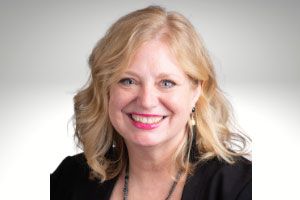
Krista Nelson, MSW, LCSW, OSW-C, BCD, is the president-elect of the Association of Community Cancer Centers. She is an oncology social worker who currently serves in clinical, research, and program management roles within Providence Health and Services. She recently joined the Cancer Support Services & Compassion team at Providence Cancer Institute. Nelson is a past president of the Board of Directors of the Association of Oncology Social Work (AOSW) and past invited director of the American Psychosocial Oncology Society (APOS).