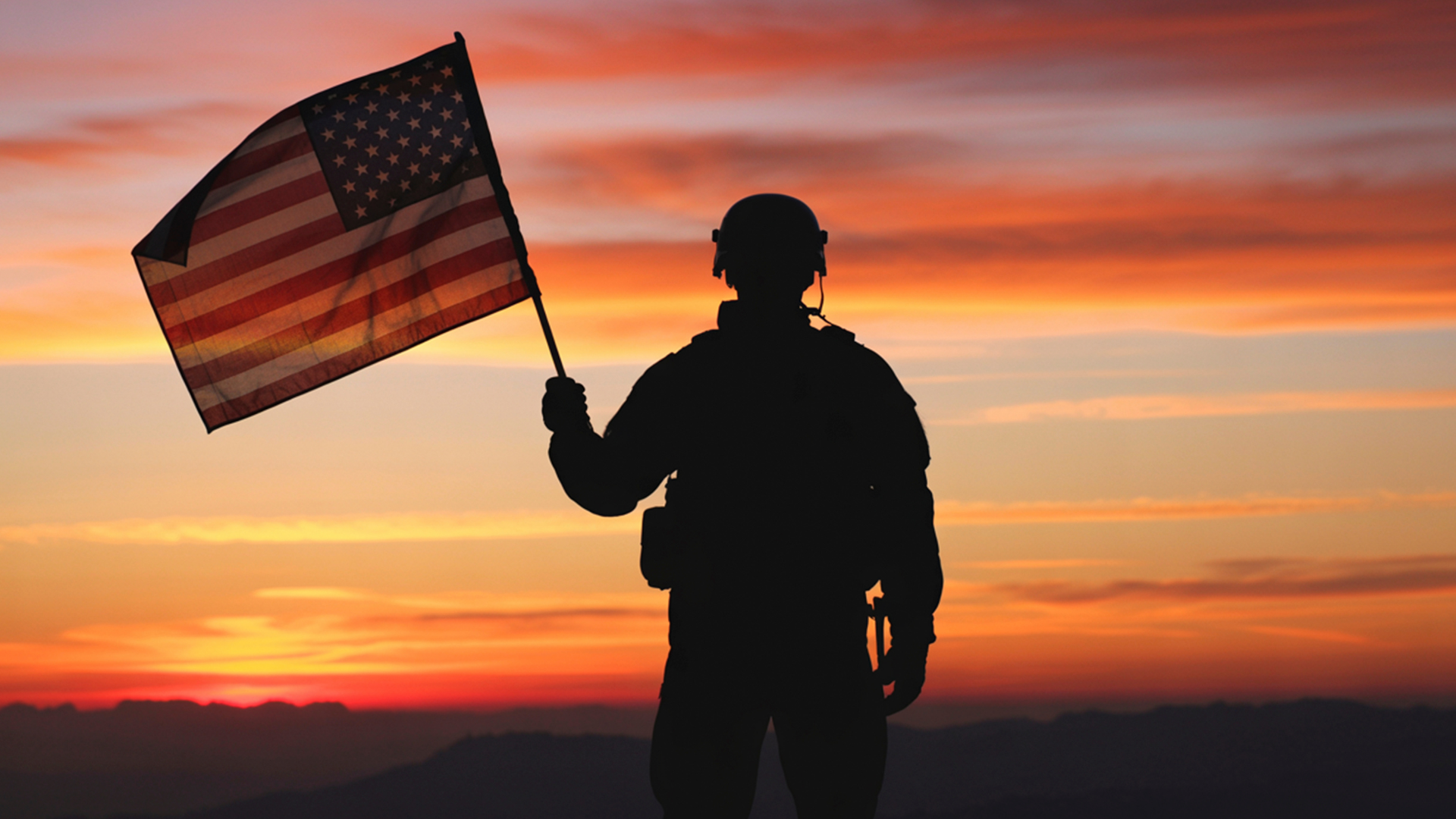
In recognition of Native American Heritage Month this November, the Association of Cancer Care Centers honors the proud and enduring legacy of military service among American Indian and Alaska Native (AI/AN) Veterans, who have historically enlisted at higher rates than any other racial or ethnic group. As of September 2023, approximately 160,000 AI/AN Veterans reside in the United States. Although nearly 41% of those with service-connected conditions utilize Veterans Affairs (VA) health care, research indicates that AI/AN Veterans are screened for certain cancers at lower rates than their peers.1 Addressing this disparity is critical, as early and routine cancer screenings remain among the most effective strategies for disease prevention and detecting cancer in its initial stages.
In October 2021, the Veterans Health Administration (VHA) and the Indian Health Service (IHS)—part of the US Department of Health and Human Services (HHS)—signed a renewed memorandum of understanding (MOU) to advance health equity for AI/AN Veterans. This agreement builds upon earlier efforts to coordinate care across federal and tribal systems, reflecting their shared commitment to improving access, quality, and outcomes for a population that has historically faced significant disparities.2
Many AI/AN Veterans are eligible for care through multiple systems, including the US Department of Veterans Affairs, the VHA Office of Tribal Health, IHS, Tribal Health Programs (THPs), and Urban Indian Organizations (UIOs), which can create logistical and administrative challenges that complicate timely access to cancer screening, diagnosis, and treatment.
These challenges are especially pronounced in rural and remote areas. Rural communities often have limited access to oncology specialists and services, and remote regions—such as tribal lands and reservations—face additional barriers related to distance, terrain, and digital connectivity.
The 2021 MOU established a framework for collaboration and coordination to leverage and share resources and investments in support of mutual goals and objectives, including the following2:
1. Access: Increase access and improve the quality of health care and services for eligible AI/AN Veterans by leveraging the strengths of VHA and IHS across national, regional, and local levels to support the delivery of timely, coordinated, and high-quality clinical care.
2. Patients: Facilitate enrollment and seamless navigation for eligible Al/AN Veterans in VHA and IHS health care systems, ensuring patients and their families understand benefits, treatment options, and available resources.
3. Information Technology: Facilitate the integration of electronic health records and other health information technology systems that impact the health care of Al/AN Veterans.
4. Resource Sharing: Improve access for patient populations through resource sharing, including technology, providers, training, human resources, services, facilities, communication, and reimbursement.
The MOU leadership team identified a series of recommended projects and initiatives designed to advance their shared objectives. Many of these efforts address multiple mutual goals (noted in parentheses) and build on existing resources within both VHA and IHS.
This integrated approach enables the agencies to prioritize operational efficiency and cost-effective care coordination. Goals include the following2:
1. Rural Native Veteran Health Care Navigator Program (RNV-HCNP) Development
Develop a state-of-the-art Rural Native Veteran Health Care Navigator Program to increase access to health care and associated resources. (Access, Patients, Resource Sharing)
2. Implementation of Virtual Mental Health Care for Rural Native Veterans
Increase access to and quality of VA mental health care for rural Native Veterans through virtual modalities. (Access, Information Technology)
3. Veterans Transportation Service: Highly Rural Transportation Grant Program
Distribute grants to Veterans Service Organizations and local government agencies so they can provide transportation services to Veterans living in highly rural areas for travel to VA or VA-authorized health care facilities. (Access, Resource Sharing)
4. VA-IHS Reimbursement Agreement for Direct Health Care Services
Allow for eligible AI/AN Veterans to receive direct care services at participating IHS, THP, or UIO facilities without preauthorization or co-payment from VA. (Resource Sharing)
Several initiatives stemming from the MOU have already been launched, with direct relevance to oncology professionals, including Veteran care navigators, telehealth and digital access, supportive services, and coverage and affordability.
Upstate Medical University in Syracuse, New York, has also begun putting these ideals into action through its partnership with the IHS and its commitment to building institutional partnerships aimed at meeting the health needs of AI/AN communities across the state.3 Together with the IHS, Upstate aims to expand educational and health-related training opportunities for AI/AN individuals in an effort to broaden the diversity of the health care workforce, through consideration of accessible methods such as distance learning.
In addition, Upstate has committed to developing a research agenda dedicated to understanding and addressing the health disparities and prevention needs prominent in AI/AN communities, consulting regularly with these populations to ensure research efforts remain relevant and culturally sensitive.
To further the education of tribal health workers and professionals, Upstate plans to provide community-based training and workshops, on-site training, and outreach worker development. In doing so, Upstate strives to both increase the effectiveness of local health programs and support their long-term sustainability.3 Upstate’s commitment to improving the health and well-being of AI/AN communities through a partnership with the IHS stands as a powerful example and reminder of the necessity of collaborative service, research, and education to make health care more equitable for all patients.
This MOU represents a meaningful step toward advancing health equity for AI/AN Veterans. By aligning federal, tribal, and community health systems, it lays the groundwork for more coordinated, culturally responsive cancer care, particularly in rural and remote regions where access has long been limited. Its focus on patient navigation, digital connectivity, and shared resources reflects a broader commitment to dismantling barriers and improving outcomes.
For cancer care providers, understanding the scope and intent of this interagency collaboration not only informs how care can be coordinated across complex systems, but also reinforces the importance of trust, cultural respect, and community engagement in caring for AI/AN Veterans with the dignity and quality they deserve.
Explore additional resources and education related to Veterans’ care on the ACCC website.
1. Cancer care for American Indian and Alaska Native Veterans. US Department of Veterans Affairs. September 6, 2023. Accessed October 15, 2025. https://news.va.gov/123417/cancer-care-american-indian-alaska-veterans
2. US Department of Veterans Affairs, Veterans Health Administration; US Department of Health and Human Services, Indian Health Service. Operational Plan Pursuant to the Memorandum of Understanding Between the United States Department of Veterans Affairs Veterans Health Administration and United States Department of Health and Human Services Indian Health Service. April 2022. Accessed October 15, 2025.
3. Upstate, Indian Health Service sign agreement to improve health, well-being of American Indian, Alaska Native communities. Upstate Medical University. December 10, 2024. Accessed November 5, 2025. https://www.upstate.edu/news/articles/2024/2024-12-10-mou.php