What does it mean to “be loud”? Sometimes it means just being heard. For adolescent and young adult (AYA) cancer patients, that can be a challenge.
What does it mean to “be loud”? Sometimes it means just being heard.
For adolescent and young adult (AYAs) cancer patients, that can be a challenge. Two powerful sessions at last week’s ACCC 33rd National Oncology Conference focused on how to “hear” the voice of AYAs and understand what patient-centered care looks like to this under-served patient population. This two-part blog series recaps key session takeaways.
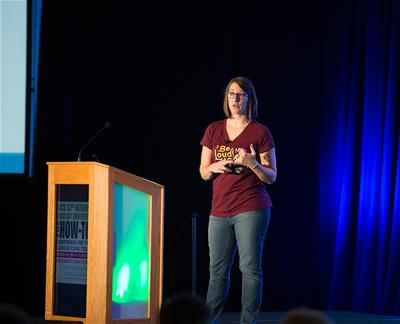
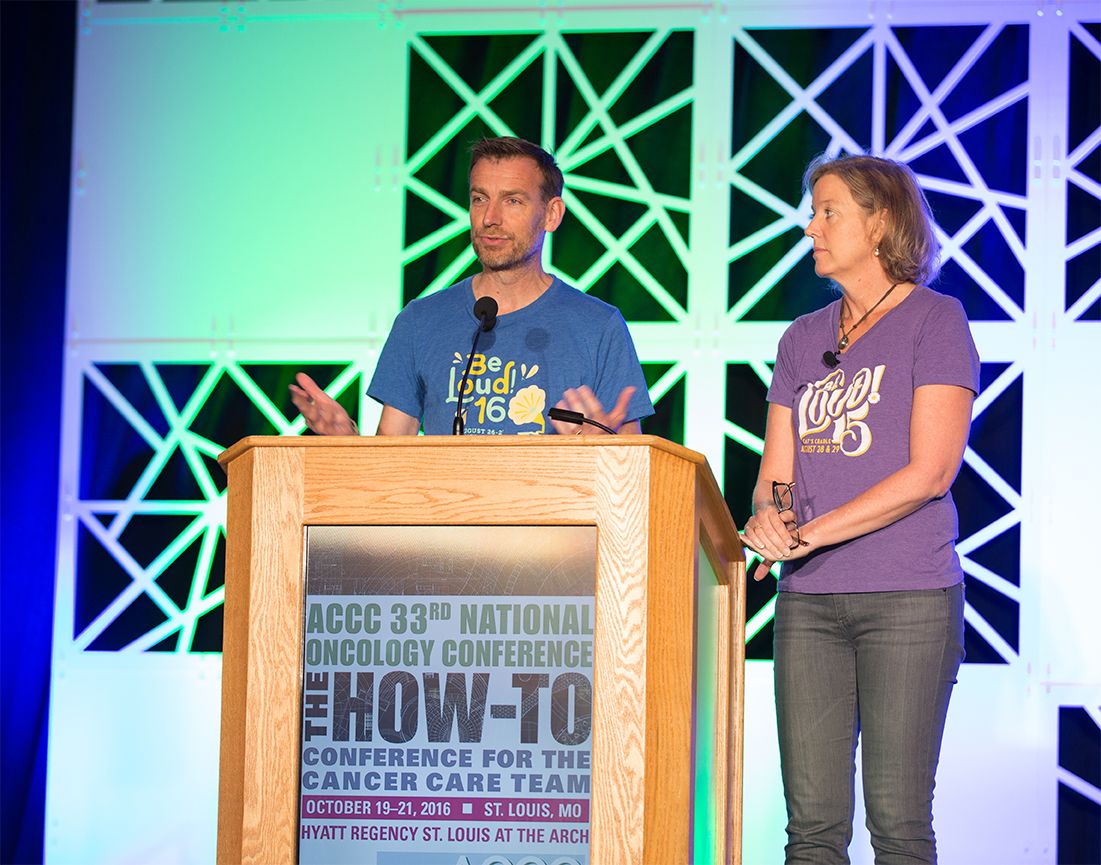
In the opening session of the conference, Lauren Lux, LCSW, UNC Lineberger Comprehensive Cancer Center, along with Niklaus and Lucy Steiner, co-founders of the Be Loud! Sophie Foundation, reminded the hundreds of conference attendees just how important it is to raise the volume about the unique and unmet needs of AYA cancer patients. In establishing the Be Loud! Sophie Foundation, the Steiners are honoring the vision of their daughter, Sophie Steiner, who passed away in 2013. The foundation’s name comes from lines of a poem Sophie wrote:

. . . Be loud
And move with grace
Explode with light
Have no fear…
Sophie’s vision was to help young cancer patients stay true to themselves in the face of overwhelming illness. The foundation has helped create the Adolescent and Young Adult Program at UNC Lineberger Comprehensive Cancer Center.
Why Be Loud?
Each year nearly 70,000 AYAs (roughly between the ages of 15 and 38) are diagnosed with cancer, Lux said. This group is:
The bottom line: AYAs have unique and unmet needs, Lux said.
How can cancer care providers better “hear” AYAs—and help these patients’ needs be addressed? The first step is establishing effective communication. Lux, who is director of the Adolescent and Young Adult Program at the UNC Lineberger Comprehensive Cancer Center, shared practical communication tips for connecting with and empowering AYAs. “You don’t have to be cool,” she reassured attendees. What you do have to be is:
A second step is to recognize how important having some control over their lives is to AYAs. “I consider myself an ‘opt in’ activity for people,” said Lux. Rather than scheduled appointments, she will drop by patients’ rooms and ask if the timing is good for them. She also encourages lots of visits from friends. The Steiners, too, stressed how important it is for AYAs to have connection with the non-medical, outside world.
Have the Sex Talk
Conversations about fertility preservation and sexual activity are not one-time events for AYAs, Lux said. Fertility preservation is a huge issue for this patient population. It is expensive and is usually not covered by insurance. AYAs need information about sex before, during, and after treatment, and these conversations should also involve their partners, she emphasized. For cancer programs, it is essential to decide who on the care team “owns” having this conversation with patients and their significant others, she said. “When no one owns it, it doesn’t happen.”
With the AYA population, the caregiver role is complex and nuanced. Helping ensure that adolescent and young adult patients are empowered to voice their choices is important, Lux said, and it’s important to empower them in their conversations with their providers.
Take Action
Lux offered some no-cost steps that cancer programs can take today to improve care for their AYA patients:
The session’s number one takeaway: Ask your AYA patients what’s important to them.
Learn more in part two: “Life, Interrupted, One AYA Patient’s Cancer Journey.”