Growing knowledge of NSCLC subtypes and molecular biomarkers for this disease has led to changes in how NSCLC is diagnosed and staged.
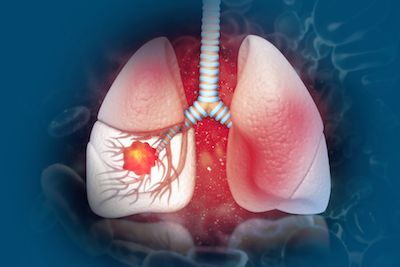
Lung cancer remains the leading cause of cancer death in the United States with non-small cell lung cancer (NSCLC) accounting for the vast majority (80-85 percent) of newly diagnosed cases. Growing knowledge of NSCLC subtypes and molecular biomarkers for this disease has led to changes in how NSCLC is diagnosed and staged. This has resulted in more complexity in treatment planning and decision-making, particularly for patients diagnosed with locally advanced stage III and metastatic stage IV disease. Although more treatment options are now available to these patients, fragmentation in the U.S. healthcare system can often impede consistent access to optimal care for all patients diagnosed with locally advanced or metastatic lung cancer.
ACCC's research on effective practices in NSCLC treatment has been accepted at numerous conferences this fall. In recognition of Lung Cancer Awareness Month, here’s a look at the posters and abstracts we've recently contributed to the oncology community.
Variable Definitions of "Unresectable" Stage III NSCLC Among Lung Cancer Specialists
Poster presented at the IASCLC 2020 North America Conference on Lung Cancer October 16
Stage III NSCLC is a heterogeneous disease that often elicits differing opinions regarding what is “unresectable” depending on the specialist and treatment setting. Using survey data, we sought to characterize opinions regarding the resectability of stage III NSCLC.
Most thoractic surgeons, medical oncologists, and pulmonologists do not consider CT or PET/CT evidence alone, or low-volume mediastinal disease to be unresectable, although a majority do consider mediastinal nodal metastases confirmed by biopsy, bulky nodal disease, or contralateral disease as unresectable. Some differences exist based on specialty and practice setting. Efforts by national organizations to standardize practice approaches and definitions of unresectability in stage III NSCLC may optimize care in this setting.
Improving Care for Patients With Stage III/IV NSCLC: Learnings for Multidisciplinary Teams at ASCO Quality Care Symposium
Abstract presented at the 2020 ASCO Quality Care Symposium October 9
Improving Care for Patients With Stage III/IV NSCLC: Learnings for Multidisciplinary Teams from the ACCC National Quality Survey
Poster presented at the IASCLC 2020 North America Conference on Lung Cancer October 16
We designed a quality metric for ideal NSCLC care that guided the development of a national survey to improve understanding of the diagnosis and management of patients with stage III/IV NSCLC across different U.S.-based practice settings. The research lays the groundwork for designing and executing process improvement plans to address the barriers identified by the survey.
The survey provides an overview of the barriers to quality care for patients with stage III/IV NSCLC, including a lack of consistent use of multidisciplinary teams, optimized diagnosis using biomarker testing, and timely, complete staging of patients in U.S. cancer programs. Multiple opportunities exist to improve the quality and delivery of care for patients with stage III/IV NSCLC by enhancing screening, diagnosis, treatment, and care coordination for better outcomes in this patient population.
Defining High-Quality NSCLC Care at US Cancer Centers
Abstract presented at the 2020 ASCO Quality Care Symposium October 9
Rapidly evolving staging systems, diagnostic procedures, and treatment options have added complexity to existing treatment algorithms for NSCLC, and fragmentation within the U.S. healthcare system impedes consistent access to equitable care. Although multiple aspects of NSCLC management are addressed by existing guidelines, several critical features, including patient education on all aspects of NSCLC (e.g., diagnosis, staging, and treatment) and access to a multidisciplinary team care navigator for information on the financial aspects of treatment, remain unaddressed. Consequently, guidance spanning the complete care pathway is lacking.
ACCC’s initiative resulted in the development of 32 quality recommendations organized into four key care areas of the patient journey: diagnosis and biomarker testing, staging and treatment planning, care coordination and patient education, and survivorship.
Improving Non-Small Cell Lung Cancer Care Delivery: Findings for Oncology Nurses and Patient Navigators From a National Quality Survey
Abstract presented at the 2020 AONN+ Annual Conference November 6
Oncology nursing and patient navigation are vital components of optimal cancer care planning, coordination, and delivery within multidisciplinary teams (MDTs). Although widely implemented in clinical practice since its inception,the design and delivery of patient navigation services in cancer care is often heterogeneous. The role and function of patient navigation within cancer care MDTs, including evidence-based interventions that can positively impact patient outcomes, need further clarification.
In 2019, ACCC and its partners implemented a multiphase initiative for advanced (stage III/IV) NSCLC. They found that programs with navigators for patients with NSCLC better promoted and coordinated shared decision-making (SDM) practices. However, there is a significant shortage of navigators across cancer programs to assist patients with NSCLC: 22% of respondents reported no nurse or lay navigator in their program
Improving Care for Patients With Stage III/IV NSCLC: Learnings for Thoracic Surgeons and Radiation Oncologists From a National Quality Survey
Presentation at the ASTRO 2020 Annual Meeting October 27
Multidisciplinary teams (MDTs) could help optimize quality of care by enhancing patient involvement in decision-making, timely care delivery, accurate staging, and appropriate treatment planning. Evolving treatment modalities for stage III and IV NSCLC warrant multidisciplinary collaborations. Thoracic surgeons (TSs), radiation oncologists (ROs), and medical oncologists (MOs) as part of MDTs could play major roles in defining unresectability, diagnosis and treatment planning, and the management of patients with inoperable stage III and stage IV NSCLC.
ACCC conducted a national survey of multidisciplinary specialists, including TSs, ROs, and MOs, to obtain insights into the care of patients with advanced NSCLC across 160 U.S. community cancer programs. Mean engagement scores in shared decision-making for TSs, ROs, and MOs ranged from 3.29 to 4.73 out of 5, demonstrating occasional or frequent engagement in shared decision-making by these key specialties, suggesting opportunities for improvement.
Improving the Staging and Diagnosis of Patients With Stage III/IV Non-Small Cell Lung Cancer: Findings for Pathology and Pulmonary Medicine From a National Quality Survey
Presentation at the CAP 2020 Virtual Meeting October 10
Systematic staging and guideline-consistent biomarker testing are critical to the evaluation, treatment, and prognosis of stage III/IV NSCLC. Pathologists and pulmonologists were among the key respondents to a national quality survey that identified barriers to ideal NSCLC care delivery that could inform process improvements. The survey revealed that a significantly higher proportion of pathologists—compared to other specialists—were unfamiliar with the science behind liquid biopsy testing and tumor mutational burden.
To further the cause of improving NSCLC care, ACCC has created a suite of tools and resources: