ACCC association of cancer care centers
Join/Renew
Login
Join/Renew
Login
Education & Resources
ACCC eXchange LogInCorporate Member Sponsored ResourcesPresentations & AbstractsPresident's ThemeACCC Connect eLearning LogIn
Publications
Oncology IssuesPatient Assistance & Reimbursement GuideTrending Now in Cancer Care
Events
2026 ACCC Leadership SummitAnnual Meeting & Cancer Center Business SummitCapitol Hill DayNational Oncology ConferenceOncology Reimbursement MeetingsOncology State Society Meetings
Policy & Advocacy
2024 Policy Wrap-Up and ACCC 2025 Policy PrioritiesLetters & StatementsAccess, Payment & Reimbursement ReformWhite Bagging & Brown BaggingAdvocacy ResourcesCancer Moonshot
Membership
Join | RenewWho We AreMembership Types & BenefitsCorporate MembersACCC Member Portal FAQMember Directory
Partners
Oncology State SocietiesPartner OrganizationsCME
News
News ReleasesAdvocacy News ReleasesOncology News
About ACCC
Timeline / 50th Anniversary2025 Impact ReportACCC Innovator AwardsACCC FellowsACCC Senior Staff
Breast CancerMetastatic Breast Cancer
Gastrointestinal CancerBiliary Tract CancerColorectal CancerGastric CancerLiver Cancer
Genitourinary CancerBladder CancerProstate CancerRenal Cell Carcinoma
Gynecologic CancerOvarian Cancer
Head & Neck Cancer
Hematologic MalignanciesAcute Lymphocytic Leukemia (ALL)Acute Myeloid Leukemia (AML)Chronic Lymphocytic Leukemia (CLL)Mantle Cell Lymphoma (MCL)Multiple Myeloma (MM)Myelodysplastic Syndromes (MDS)
Lung CancerNon-Small Cell Lung Cancer (NSCLC)Small Cell Lung Cancer (SCLC)
Sarcoma
Skin CancerMelanomaNon-Melanoma Skin Cancers (NMSC)
Clinical Practice & TreatmentCancer DiagnosticsCare CoordinationEHR Integration for Biomarker TestingQuality Improvement Collaboration: Integration of Precision Medicine in Community OncologyTreatment
Financial NavigationFAN Boot CampFinancial Advocacy Network (FAN) Resource LibraryPatient Assistance & Reimbursement GuidePrior Authorization
Health Equity & Access3, 2, 1, Go! Practical Solutions for Addressing Cancer Care DisparitiesAppalachian Community Cancer AllianceOncology Advanced PractitionersPersonalizing Care for Patients of All BackgroundsSocial Drivers of Health
Patient-Centered CareAddressing Care Disparities for VeteransAdolescent and Young Adult (AYA)Care Action Plans for People with CancerDermatologic ToxicitiesEmpowering CaregiversGeriatric OncologyHealth LiteracyNutritionOncology PharmacyPatient NavigationPsychosocial Care in OncologyShared Decision-MakingSupportive CareSurvivorship Care
Practice Management & OperationsCancer Program FundamentalsLeadership Sustainment and Engagement VideosOncology Practice Transformation and Integration CenterOncology Team Resiliency
ResearchACCC Community Oncology Research Institute (ACORI)
Technology & InnovationTelehealth & Digital Medicine
ACCCBuzz Blog
CANCER BUZZ Podcast
Oncology Issues
Join/Renew
Login
Breast CancerMetastatic Breast Cancer
Gastrointestinal CancerBiliary Tract CancerColorectal CancerGastric CancerLiver Cancer
Genitourinary CancerBladder CancerProstate CancerRenal Cell Carcinoma
Gynecologic CancerOvarian Cancer
Head & Neck Cancer
Hematologic MalignanciesAcute Lymphocytic Leukemia (ALL)Acute Myeloid Leukemia (AML)Chronic Lymphocytic Leukemia (CLL)Mantle Cell Lymphoma (MCL)Multiple Myeloma (MM)Myelodysplastic Syndromes (MDS)
Lung CancerNon-Small Cell Lung Cancer (NSCLC)Small Cell Lung Cancer (SCLC)
Sarcoma
Skin CancerMelanomaNon-Melanoma Skin Cancers (NMSC)
Clinical Practice & TreatmentCancer DiagnosticsCare CoordinationEHR Integration for Biomarker TestingQuality Improvement Collaboration: Integration of Precision Medicine in Community OncologyTreatment
Financial NavigationFAN Boot CampFinancial Advocacy Network (FAN) Resource LibraryPatient Assistance & Reimbursement GuidePrior Authorization
Health Equity & Access3, 2, 1, Go! Practical Solutions for Addressing Cancer Care DisparitiesAppalachian Community Cancer AllianceOncology Advanced PractitionersPersonalizing Care for Patients of All BackgroundsSocial Drivers of Health
Patient-Centered CareAddressing Care Disparities for VeteransAdolescent and Young Adult (AYA)Care Action Plans for People with CancerDermatologic ToxicitiesEmpowering CaregiversGeriatric OncologyHealth LiteracyNutritionOncology PharmacyPatient NavigationPsychosocial Care in OncologyShared Decision-MakingSupportive CareSurvivorship Care
Practice Management & OperationsCancer Program FundamentalsLeadership Sustainment and Engagement VideosOncology Practice Transformation and Integration CenterOncology Team Resiliency
ResearchACCC Community Oncology Research Institute (ACORI)
Technology & InnovationTelehealth & Digital Medicine
ACCCBuzz Blog
CANCER BUZZ Podcast
Oncology Issues
    • Education & Resources
    • Publications
    • Events
    • Policy & Advocacy
    • Membership
    • Partners
    • News
    • About ACCC
ACCC association of cancer care centers
1801 Research Boulevard, Suite 400, Rockville, MD 20850
Tel: 301.984.9496 Fax: 301.770.1949 Email Us
Contact UsVolunteers
Advertise
Career Center
Terms and Conditions
Privacy Policy
ACCC Rebranding
Copyright © 2026 Association of Cancer Care Centers. All Rights Reserved.
Advertisement

Blog

Article

March 11, 2022

Congress Passes Bills to Extend Telehealth and Fund Cancer Research

By Matt Devino, MPH

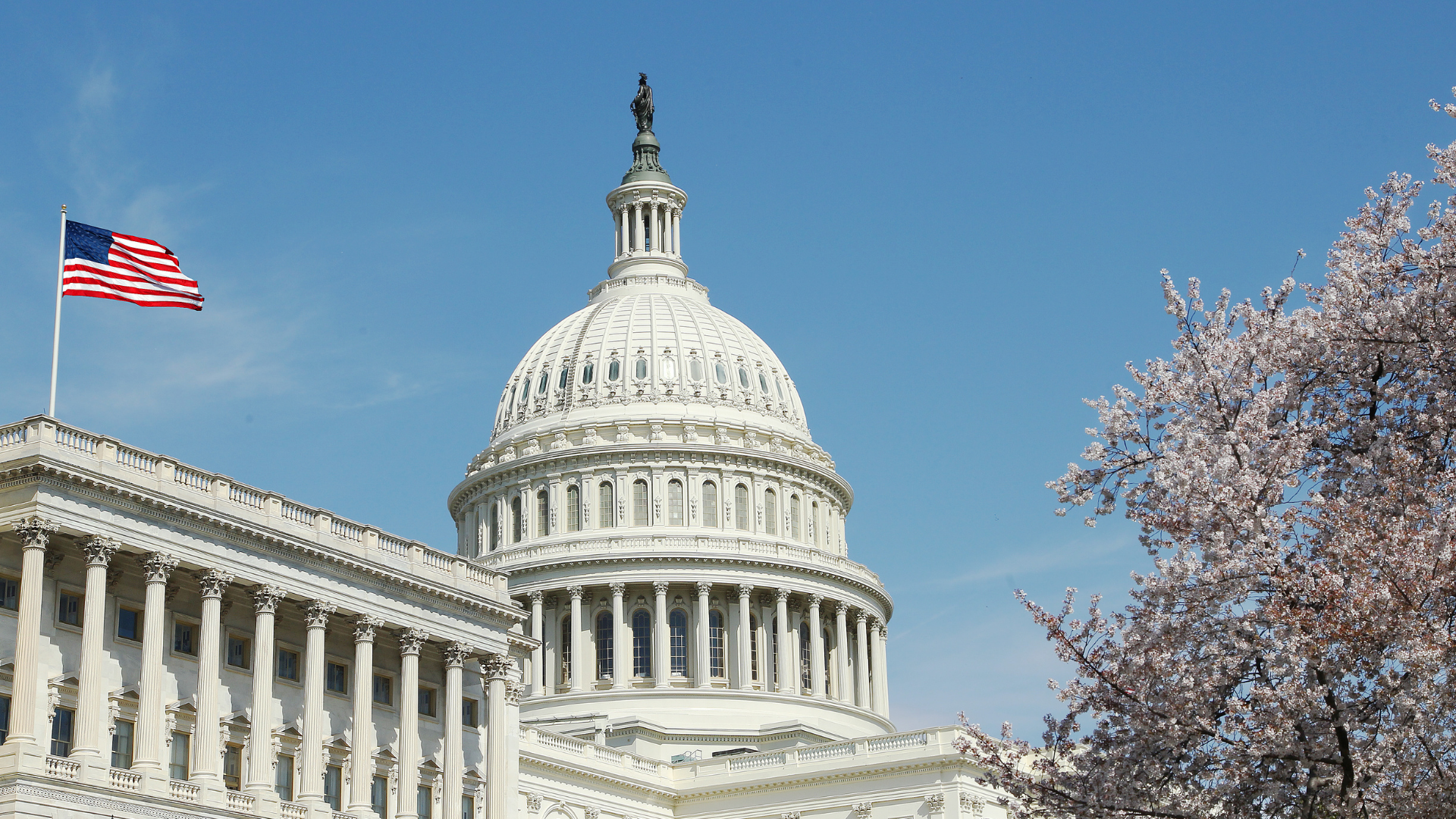
This week, Congress passed a $1.5 trillion omnibus spending package for fiscal year 2022 with broad bipartisan support. Included in the domestic appropriations are several key healthcare provisions of interest to ACCC and the cancer care community.

Congress Passes Bills to Extend Telehealth and Fund Cancer Research

This week, Congress passed a $1.5 trillion omnibus spending package for fiscal year 2022 with broad bipartisan support in both the House of Representatives and the Senate. Included in the domestic appropriations are several key healthcare provisions of interest to ACCC and the cancer care community.

Most important, the package would extend Medicare telehealth flexibilities for 151 days beyond the end of the COVID-19 public health emergency (PHE). Currently, geographic and originating site restrictions are only waived for Medicare telehealth services while the COVID-19 PHE remains in effect. Many stakeholders believe the Biden administration will allow the PHE to lapse in July, so the passage of this legislation would allow these flexibilities to continue for an additional five months through December 2022. This would give Congress more time to consider permanently expanding access to telehealth and avert an abrupt end to current policy, which would significantly reduce telehealth access for Medicare beneficiaries when the PHE terminates.

Notably, the package appropriates $1 billion for the creation of the Advanced Research Projects Agency for Health (ARPA-H) through September 2024. ARPA-H is seen by many as a cornerstone in President Biden’s healthcare agenda and a prominent piece of his Cancer Moonshot relaunch. This new agency would serve to accelerate the pace of breakthroughs in biomedical research to improve prevention, detection, and treatment for a range of diseases, including cancer. This funding falls far short of Biden’s requested $6.5 billion to establish and run the agency, which would be housed within the Department of Health and Human Services but outside the National Institutes of Health (NIH). Moreover, for the agency to be formally established, Congress must still pass authorizing legislation, which could face partisan hurdles.

Finally, the package provides $45 billion in continued funding for NIH, representing an increase of $2.25 billion over the funding level enacted for fiscal year 2021. This funding includes $6.9 billion for the National Cancer Institute (inclusive of $194 million specifically for the Cancer Moonshot), an increase of $50 million for health disparities research, $59 million for the Office of Research on Women’s Health, and increased investments to enhance diversity in the biomedical research workforce.

Notably absent from the massive spending package is additional funding for COVID-19 relief, which was removed by House Speaker Nancy Pelosi at the last minute. The Administration had requested $22.5 billion to fund treatment, vaccination, and global support efforts, but opposition by Senate Republicans and disagreement within the Democratic caucus over the specifics of this funding resulted in its complete removal from the spending package. House Democrats subsequently introduced a standalone version of a $15.6 billion COVID relief bill, but it is expected to face challenges in both the House and Senate.

The 2,741-page omnibus package now heads to President Biden’s desk, where it must be signed into law by March 15 to avert a partial government shutdown. Additional details on the healthcare provisions of the package can be found in the Division-by-Division Summary of Appropriations as well as a shorter subcommittee summary for Labor, Health and Human Services, Education, and Related Agencies.

Matt Devino, MPH, is the Director of Cancer Care Delivery and Health Policy at ACCC.