ACCC association of cancer care centers
Join/Renew
Login
Join/Renew
Login
Education & Resources
ACCC eXchange LogInCorporate Member Sponsored ResourcesPresentations & AbstractsPresident's ThemeACCC Connect eLearning LogIn
Publications
Oncology IssuesPatient Assistance & Reimbursement GuideTrending Now in Cancer Care
Events
2026 ACCC Leadership SummitAnnual Meeting & Cancer Center Business SummitCapitol Hill DayNational Oncology ConferenceOncology Reimbursement MeetingsOncology State Society Meetings
Policy & Advocacy
2024 Policy Wrap-Up and ACCC 2025 Policy PrioritiesLetters & StatementsAccess, Payment & Reimbursement ReformWhite Bagging & Brown BaggingAdvocacy ResourcesCancer Moonshot
Membership
Join | RenewWho We AreMembership Types & BenefitsCorporate MembersACCC Member Portal FAQMember Directory
Partners
Oncology State SocietiesPartner OrganizationsCME
News
News ReleasesAdvocacy News ReleasesOncology News
About ACCC
Timeline / 50th Anniversary2025 Impact ReportACCC Innovator AwardsACCC FellowsACCC Senior Staff
Breast CancerMetastatic Breast Cancer
Gastrointestinal CancerBiliary Tract CancerColorectal CancerGastric CancerLiver Cancer
Genitourinary CancerBladder CancerProstate CancerRenal Cell Carcinoma
Gynecologic CancerOvarian Cancer
Head & Neck Cancer
Hematologic MalignanciesAcute Lymphocytic Leukemia (ALL)Acute Myeloid Leukemia (AML)Chronic Lymphocytic Leukemia (CLL)Mantle Cell Lymphoma (MCL)Multiple Myeloma (MM)Myelodysplastic Syndromes (MDS)
Lung CancerNon-Small Cell Lung Cancer (NSCLC)Small Cell Lung Cancer (SCLC)
Sarcoma
Skin CancerMelanomaNon-Melanoma Skin Cancers (NMSC)
Clinical Practice & TreatmentCancer DiagnosticsCare CoordinationEHR Integration for Biomarker TestingQuality Improvement Collaboration: Integration of Precision Medicine in Community OncologyTreatment
Financial NavigationFAN Boot CampFinancial Advocacy Network (FAN) Resource LibraryPatient Assistance & Reimbursement GuidePrior Authorization
Health Equity & Access3, 2, 1, Go! Practical Solutions for Addressing Cancer Care DisparitiesAppalachian Community Cancer AllianceOncology Advanced PractitionersPersonalizing Care for Patients of All BackgroundsSocial Drivers of Health
Patient-Centered CareAddressing Care Disparities for VeteransAdolescent and Young Adult (AYA)Care Action Plans for People with CancerDermatologic ToxicitiesEmpowering CaregiversGeriatric OncologyHealth LiteracyNutritionOncology PharmacyPatient NavigationPsychosocial Care in OncologyShared Decision-MakingSupportive CareSurvivorship Care
Practice Management & OperationsCancer Program FundamentalsLeadership Sustainment and Engagement VideosOncology Practice Transformation and Integration CenterOncology Team Resiliency
ResearchACCC Community Oncology Research Institute (ACORI)
Technology & InnovationTelehealth & Digital Medicine
ACCCBuzz Blog
CANCER BUZZ Podcast
Oncology Issues
Join/Renew
Login
Breast CancerMetastatic Breast Cancer
Gastrointestinal CancerBiliary Tract CancerColorectal CancerGastric CancerLiver Cancer
Genitourinary CancerBladder CancerProstate CancerRenal Cell Carcinoma
Gynecologic CancerOvarian Cancer
Head & Neck Cancer
Hematologic MalignanciesAcute Lymphocytic Leukemia (ALL)Acute Myeloid Leukemia (AML)Chronic Lymphocytic Leukemia (CLL)Mantle Cell Lymphoma (MCL)Multiple Myeloma (MM)Myelodysplastic Syndromes (MDS)
Lung CancerNon-Small Cell Lung Cancer (NSCLC)Small Cell Lung Cancer (SCLC)
Sarcoma
Skin CancerMelanomaNon-Melanoma Skin Cancers (NMSC)
Clinical Practice & TreatmentCancer DiagnosticsCare CoordinationEHR Integration for Biomarker TestingQuality Improvement Collaboration: Integration of Precision Medicine in Community OncologyTreatment
Financial NavigationFAN Boot CampFinancial Advocacy Network (FAN) Resource LibraryPatient Assistance & Reimbursement GuidePrior Authorization
Health Equity & Access3, 2, 1, Go! Practical Solutions for Addressing Cancer Care DisparitiesAppalachian Community Cancer AllianceOncology Advanced PractitionersPersonalizing Care for Patients of All BackgroundsSocial Drivers of Health
Patient-Centered CareAddressing Care Disparities for VeteransAdolescent and Young Adult (AYA)Care Action Plans for People with CancerDermatologic ToxicitiesEmpowering CaregiversGeriatric OncologyHealth LiteracyNutritionOncology PharmacyPatient NavigationPsychosocial Care in OncologyShared Decision-MakingSupportive CareSurvivorship Care
Practice Management & OperationsCancer Program FundamentalsLeadership Sustainment and Engagement VideosOncology Practice Transformation and Integration CenterOncology Team Resiliency
ResearchACCC Community Oncology Research Institute (ACORI)
Technology & InnovationTelehealth & Digital Medicine
ACCCBuzz Blog
CANCER BUZZ Podcast
Oncology Issues
    • Education & Resources
    • Publications
    • Events
    • Policy & Advocacy
    • Membership
    • Partners
    • News
    • About ACCC
ACCC association of cancer care centers
1801 Research Boulevard, Suite 400, Rockville, MD 20850
Tel: 301.984.9496 Fax: 301.770.1949 Email Us
Contact UsVolunteers
Advertise
Career Center
Terms and Conditions
Privacy Policy
ACCC Rebranding
Copyright © 2026 Association of Cancer Care Centers. All Rights Reserved.
Advertisement

Blog

Article

September 16, 2021

ACCC Recognizes Blood Cancer Awareness Month

With projects that address acute lymphoblastic leukemia (ALL), chronic lymphocytic leukemia (CLL), B-Cell ALL, and hematology disease education, ACCC is developing new resources for cancer programs and practices that focus on multidisciplinary approaches to caring for patients with blood cancer.

ACCC Recognizes Blood Cancer Awareness Month

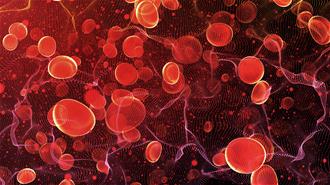
Every nine minutes, someone dies from blood cancer in the United States. The National Foundation for Cancer Research estimates that 186,400 people will be diagnosed with leukemia, lymphoma, or multiple myeloma—the three primary types of blood cancer—and approximately 57,750 people will die from the disease in 2021. In an effort to promote greater awareness of blood cancers and associated advancements in research, the U.S. Congress has designated September as Blood Cancer Awareness Month.

Leukemia, lymphoma, and multiple myeloma affect the bone marrow, lymph nodes, white blood cells, and other parts of the lymphatic system. As each type of blood cancer presents differently, each one requires unique treatments and has distinct prognoses. While some blood cancers may show no symptoms and slowly progress over the years, others may cause symptoms such as weight loss, severe fatigue, bruising or bleeding, enlarged lymph nodes, frequent infections, fever or night sweats, or pain in bones and joints.

Each year, ACCC is committed to cultivating innovative, pragmatic tools and education to help providers integrate precision medicine into their programs and practices. With projects that address acute lymphoblastic leukemia (ALL), chronic lymphocytic leukemia (CLL), B-Cell ALL, and hematology disease education, ACCC is developing new resources for cancer programs and practices that focus on multidisciplinary approaches to caring for patients with blood cancer:

  • ALL is an exceedingly rare disease, making up less than 1% of all cancers diagnosed in the U.S. In 2021, an estimated 5,690 people in the U.S. will be diagnosed with ALL, and a large portion of those patients will relapse. For these patients, prognostic factors are critical to determining treatment options. Through the Multidisciplinary Acute Lymphocytic Leukemia Care project at ACCC, three participating cancer programs received education through "Visiting Experts Workshops." The cancer programs then implemented six-month quality improvement plans to address the needs of the cancer care team and help them adopt effective practices for supporting, treating, and managing patients with ALL.
  • Minimal residual disease (MRD) testing is used to determine if a cancer treatment is working and to guide future treatment plans. ACCC’s project, Integration of MRD Testing: A Pathway for Patients with B-Cell Acute Lymphoblastic Leukemia, is laying the foundation for MRD testing in patients with B-cell ALL to create better-informed multidisciplinary cancer care teams, showcasing the importance of MRD testing and how to best integrate it into the cancer care workflow.
  • CLL, a cancer of the blood and bone marrow, affects white blood cells called lymphocytes. A slowly developing disease, CLL has a lower incidence rate compared to other cancers, which makes it challenging for providers in community settings to diagnose and treat. To optimize the delivery of care to patients diagnosed with and being treated for CLL in local communities, ACCC has launched the education project Multidisciplinary Chronic Lymphocytic Leukemia Care and has invited its cancer program members nationwide to apply to participate in quality improvement workshops. ACCC has selected three regionally diverse cancer programs to take part in the workshops, providing an opportunity for multidisciplinary cancer care teams at each participating site to review current systems concerning team coordination, communication, and quality of care for patients with CLL.
  • To better prepare multidisciplinary cancer care providers to return to normal practice after the pandemic and address the effects of COVID-19, ACCC's Returning to Practice in the Post-COVID-19 Era: Hematology Disease Education project is focused on hematologic malignancies, specifically CLL, acute myeloid leukemia (AML), and multiple myeloma (MM). The project will showcase efficiencies and solutions from cancer programs across the country in different phases of recovery, and it will address the education needs cancer programs may have to return to normal practice once the COVID-19 pandemic is under control.
  • Finally, ACCC's Bridging T Cells to Tumor Cells - Preparing Community Providers for Bispecific Antibodies (BiTE) is a national project aimed at identifying and addressing barriers to awareness, preparedness, adoption, and use of bispecific antibodies by multidisciplinary cancer care teams. With the emergence of BsAbs as a novel class of immunotherapy agents leading to major breakthroughs in the treatment of hematologic malignancies and promising applications in solid tumors, BsAbs can bridge tumor cells to cytotoxic immune cells and bypass certain limitations of conventional monoclonal antibody (mAb) treatment.


Researchers are continuously working to better understand the origins of blood cancer and what can be done to develop effective therapies and cures to eradicate the disease. Through a combination of varied education projects, ACCC is taking steps to provide opportunities to members of cancer care teams to facilitate optimal outcomes for each patient diagnosed with blood cancer.

Learn more about ACCC's related projects:
  • Multidisciplinary Acute Lymphocytic Leukemia Care
  • Integration of MRD Testing: A Pathway for Patients with B-Cell Acute Lymphoblastic Leukemia
  • Multidisciplinary Chronic Lymphocytic Leukemia Care
  • Bispecific Antibodies
  • Returning to Practice in the Post-COVID-19 Era: Hematology Disease Education