ACCCBuzz spotlights RWJBarnabas Health, Rutgers Cancer Institute of New Jersey and Cooperman Barnabas Medical Center, a recipient of the 2024 ACCC Innovator Award.
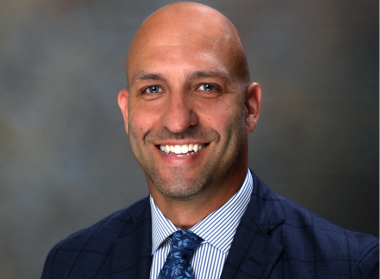
This is the fifth blog post in a 6-part series recognizing the achievements of the 2024 ACCC Innovator Award winners before their in-depth sessions at the ACCC 41st National Oncology Conference. You can learn more about the innovations being recognized this year and those who pioneered them by joining ACCC in Minneapolis, Minnesota, from October 9-11, 2024.
This year, approximately 66,440 patients in the United States will be diagnosed with pancreatic cancer. However, only 12% of these patients will survive past the 5-year mark as the disease is commonly diagnosed at later stages. A major contributor to this diagnosis landscape is the absence of a standard of care screening for the disease; and the identification of pancreatic cysts provides an exciting opportunity to improve this figure.
“Pancreas cysts are the most common identifiable precursor to pancreatic cancer, and at least 15 to 20% of the population has them,” said Russell C. Langan, MD, FACS, FSSO, associate chief surgical officer, System Integration and Quality and director of Surgical Oncology, RWJBarnabas Health, Rutgers Cancer Institute of New Jersey and Cooperman Barnabas Medical Center. “When you have a pancreatic cyst, you are potentially living with an increased risk for the development of pancreatic cancer.”
According to Dr. Langan, there are many internationally published guidelines for the surveillance of this population, however, most practitioners in the US do not understand the risk associated with a pancreatic cyst. “There are so many patients getting scanned who are identified with a pancreatic cyst, however no details of the inherent increased risk for pancreas cancer are told to them, and they are not instructed to follow-up with a specialist,” he explained. “I have treated so many patients who have developed pancreas cancer and had pancreatic cystic disease present years prior. This tells me that so many care teams really don’t understand pancreatic cyst risk. Unfortunately, when left unmonitored, a portion of pancreas cyst patients will come back years later having developed a pancreas cancer. Clearly that is a missed opportunity for the salvage of life.”
Considering this care gap, Cooperman Barnabas Medical Center and RWJBarnabas Health developed a sustainable model for pancreatic cyst surveillance. “Many large pancreas centers have pancreas cyst surveillance programs; however, we were the first in the country to harness the power of AI [artificial intelligence] to more accurately identify patients at risk and move them into surveillance,” Dr. Langan said. “After having the software running for a year and a half, we realized that we not only greatly expanded our surveillance of an at-risk population, but we also started identifying incidental cancers.” In the 2 years following program implementation, 82 pancreatic cancers were detected from incidental findings with 65% of patients being diagnosed in earlier stages as well as other malignancies including ampullary cancer, gallbladder cancer, and gastric cancer.
This initiative landed the cancer program a 2024 Association of Cancer Care Centers (ACCC) Innovator Award. Prior to the ACCC 41st National Oncology Conference this fall, ACCCBuzz spoke to Dr. Langan to learn more about their program.
ACCCBuzz: How long has RWJBarnabas Health, Rutgers Cancer Institute been an ACCC member?
Dr. Langan: We have been ACCC members since 2014.
ACCCBuzz: What is your favorite part of being an ACCC member?
Dr. Langan: The unique setup that ACCC has with the true multidisciplinary care team members. A lot of organizations that I am partnered with, and the societies I hold executive council membership on are primarily comprised of physicians. Whereas ACCC involves the entire gamut of cancer care and I think that’s awesome because that is how clinical practice is delivered.
ACCCBuzz: What makes your cancer program unique?
Dr. Langan: We have been an NCI [National Cancer Institute] designated cancer center since 1997, and we are the only one in the state of New Jersey. Additionally, every aspect of the success of this initiative is unique because of the support we got from the administration with respect to innovating and modernizing care. If you don’t have that support, there is only so far you can go as a physician.
ACCCBuzz: ACCC President Nadine J. Barrett, PhD, MA, MS, centered her theme on Reimagining Community Engagement and Equity in Cancer. What elements of your innovation reflect this theme?
Dr. Langan: Our AI pancreas cyst surveillance program is agnostic to everything. It is navigation for the general population. A lot of times, when you are talking about surveillance, or preventative care, that comes to a population of individuals with the appropriate resources to obtain that care. The program that we are running has no idea about any socioeconomic status. We are screening the general population because it is a linguistic model that will identify risk at any hospital that has this program running. Once the risk is identified, the patients are contacted and placed into the appropriate care. Also, a lot of patients from lower socioeconomic backgrounds use the emergency room [ER] for primary care. Because the software is going to capture any patient that moves through our institution, a lot of our patients are captured from the ER scans, so I think our program helps engage an underserved population.
ACCCBuzz: What can attendees expect from your session at the ACCC 41st National Oncology Conference?
Dr. Langan: They will expect to learn who is the at-risk group we intended to target because there is a large knowledge gap with practitioners in the United States. They will then learn how to get a program like this off the ground. There is a lot of structure involved with informing different care departments and collaborating with the community practitioners. Lastly, if there are health care administrators in the audience, they will learn that this program helps an organization be competitive in a tight market space.