The COVID-19 pandemic presented cancer programs and practices with extraordinary professional and personal challenges, disruptions, and opportunities in 2020.
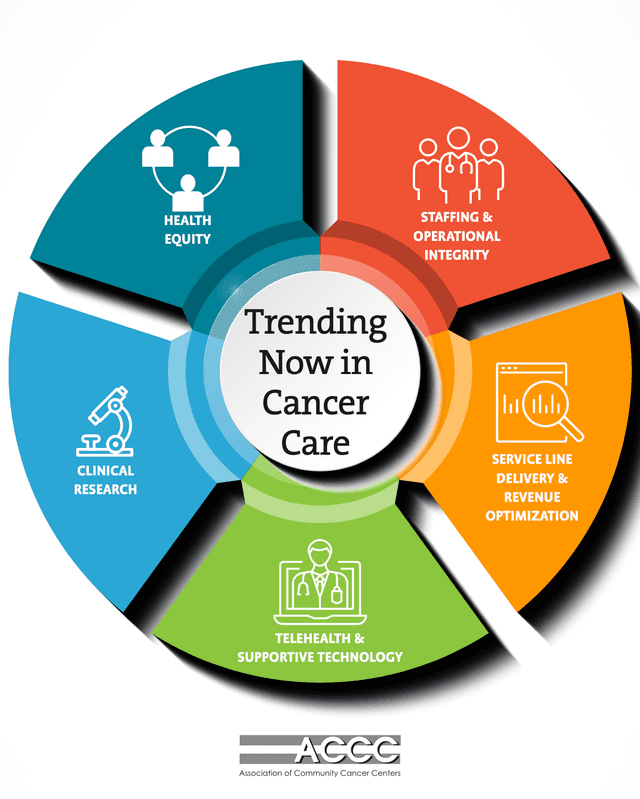
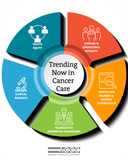
Rather than fielding its annual Trending Now in Cancer Care survey while cancer programs were experiencing unprecedented challenges due to the public health emergency, ACCC chose to facilitate conversations with its members to capture the lived experiences of the most pertinent issues impacting oncology practice and care delivery.
ACCC convened three focus groups in November-December 2020 to discuss the following topics:
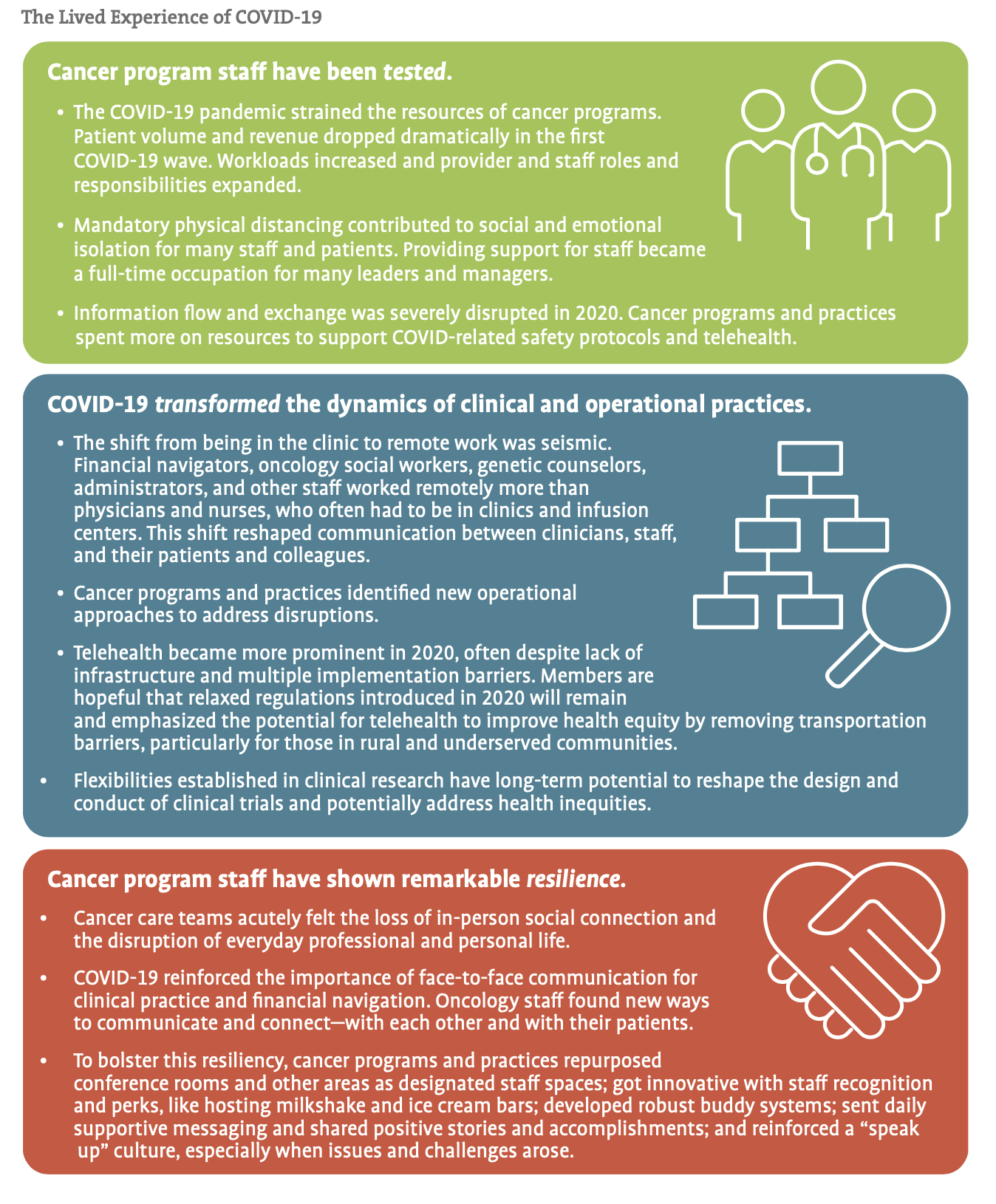
Participants revealed strains that tested institutional, professional, and personal resilience and transformed the dynamics of clinical and personal communication. But there were silver linings, from new operational approaches and workflows, telehealth innovation, and the remarkable resilience of cancer program staff.
Read Outcomes From the Focus GroupsFrom lessons learned throughout the COVID-19 pandemic, ACCC reaffirms its commitment to integrating a lens of health equity, diversity, and inclusion into all its work; developing opportunities to increase racial and ethnic minority clinical trials representation; advocating for reimbursement and coverage of telemedicine and virtual health services; and supporting the professional well-being of the cancer team so that it ultimately improves provider and patient satisfaction. To learn more, please visit the ACCC 2021-22 President's Theme page and explore the resources below.


This program is sponsored by Amgen and Bristol Myers Squibb.

Clinicians not only had fewer opportunities for hands-on clinical examination, but the absence of a second set of eyes and ears and the loss of vital details about symptoms that family members provide when they accompany patients on clinic visits made patient examination much more challenging.
Jul 20, 2021
In this episode, we focus on the mental and emotional toll that COVID-19 continues to have on cancer care professionals—while much of the public experiences a 'summer of joy' due to rising vaccinations.
Jun 29, 2021
As the COVID-19 pandemic recedes and restrictions loosen for most of the U.S., we'll discuss how patient education has become even more critical during this transition.
May 25, 2021
We’ll delve into the dramatic changes in care delivery that Montefiore Health System underwent during the pandemic, lessons learned along the way that can help pave the way forward, and how the spirit of collaboration and innovation that emerged in 2020 will remain long after the pandemic.
May 18, 2021
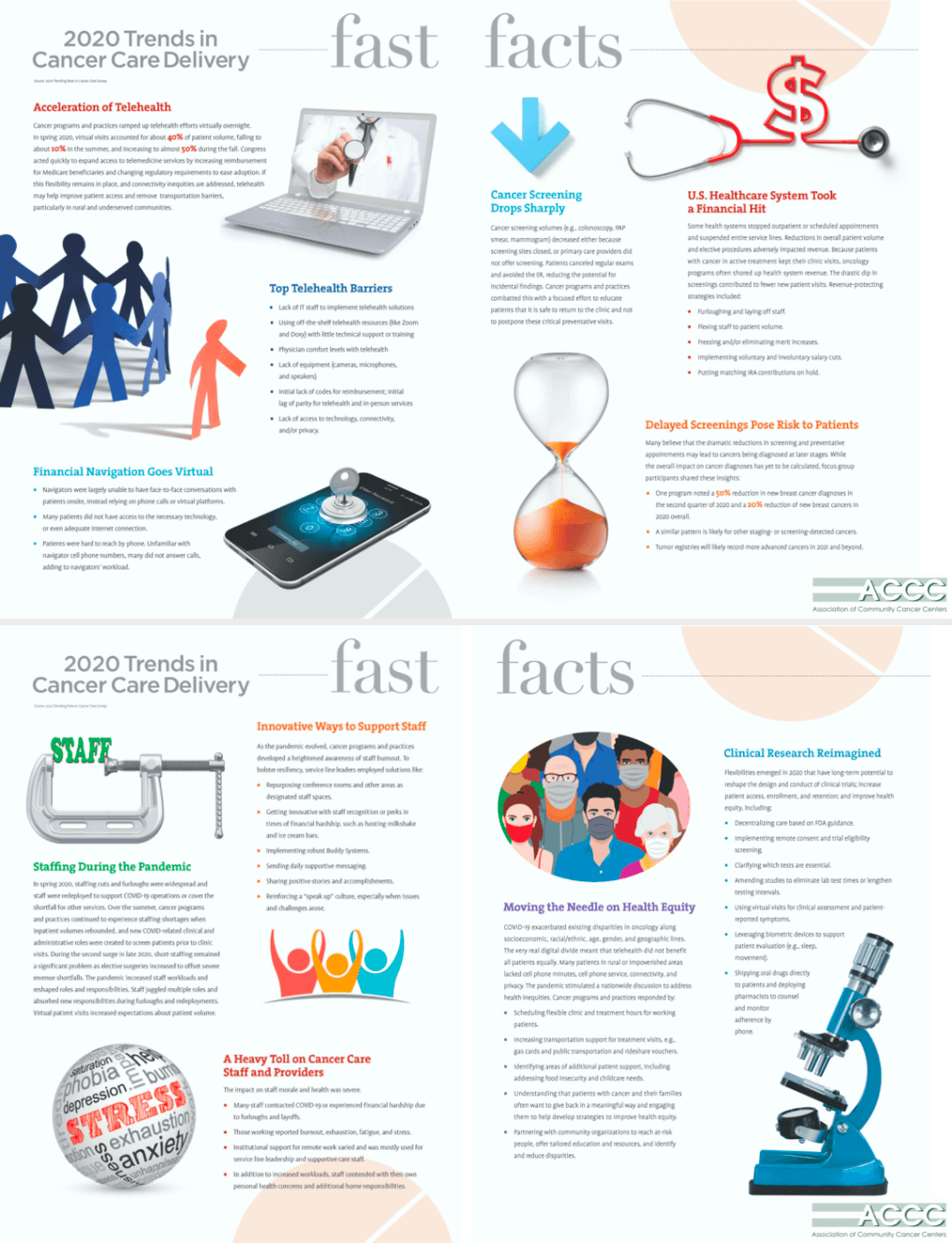
Explores the impact of the COVID-19 pandemic on the financial health of cancer programs and practices across the country, from lower patient volume and screening interventions and decreased revenue streams.

Rachel Marquez, BS, MPH
Patients with cancer who face transportation barriers often find themselves at a crossroads: They must either continue to piece together various forms of assistance to try to complete a treatment regimen and protocol or throw in the towel altogether...

Maddelynne Parker and Tammie Denyse, M. DIV., MCL
With disparate breast cancer outcomes, lack of messages of hope, and limited available support for Black women, Rev. Tammie and her late sister were inspired to co-found Carrie’s TOUCH in 2006.

Amanda Patton, MA
One important step toward supporting the health of Indigenous Peoples was the opening of the Center for Indigenous Cancer Research (CICR) at Roswell Park Comprehensive Cancer Center in January 2020. Its mission: to reduce the impact of cancer on Indigenous communities regionally, nationally, and internationally.
Alexandria Howson, PhD
Rather than fielding its annual Trending Now in Cancer Care survey while cancer programs were experiencing unprecedented challenges due to the extended public health emergency, ACCC chose to facilitate conversations with its members to capture the lived experiences of the most pertinent issues impacting oncology practice and care delivery.
Institutional strategies to address the impact of low patient volume and reduced procedures on revenue also had direct financial consequences for cancer program staff. Many programs, or the health systems of which they are part, established revenue-protecting strategies.
For more information on this project, please contact the ACCC Provider Education department.