ACCC association of cancer care centers
Join/Renew
Login
Join/Renew
Login
Education & Resources
ACCC eXchange LogInSponsored Education from ACCC Corporate PartnersACCC eLearning LogInPresentations & Abstracts
Publications
Oncology IssuesPatient Assistance & Reimbursement GuideTrending Now in Cancer CareBusiness Case Studies for Hiring New Staff
Events
2026 ACCC Leadership SummitAnnual Meeting & Cancer Center Business SummitCapitol Hill DayNational Oncology ConferenceOncology Reimbursement MeetingsOncology State Society Meetings
Policy & Advocacy
ACCC 2026 Policy PrioritiesLetters & StatementsAccess, Payment & Reimbursement ReformWhite Bagging & Brown BaggingAdvocacy ResourcesCancer Moonshot
Membership
Join | RenewWho We AreMembership Types & BenefitsCorporate MembersACCC Member Portal FAQMember Directory
Partners
Oncology State SocietiesPartner OrganizationsCME
News
News ReleasesAdvocacy News ReleasesOncology News
About ACCC
Timeline / 50th Anniversary2025 Impact ReportPresident's ThemeACCC Innovator AwardsACCC FellowsBoard of TrusteesACCC Senior Staff
Breast CancerMetastatic Breast Cancer
Gastrointestinal CancerBiliary Tract CancerColorectal CancerGastric CancerLiver Cancer
Genitourinary CancerBladder CancerProstate CancerRenal Cell Carcinoma
Gynecologic Cancer
Head & Neck Cancer
Hematologic MalignanciesAcute Lymphocytic Leukemia (ALL)Acute Myeloid Leukemia (AML)Chronic Lymphocytic Leukemia (CLL)Mantle Cell Lymphoma (MCL)Multiple Myeloma (MM)Myelodysplastic Syndromes (MDS)
Lung CancerNon-Small Cell Lung Cancer (NSCLC)Small Cell Lung Cancer (SCLC)
Sarcoma
Skin CancerMelanomaNon-Melanoma Skin Cancers (NMSC)
Clinical Practice & TreatmentCancer DiagnosticsCare CoordinationEHR Integration for Biomarker TestingQuality Improvement Collaboration: Integration of Precision Medicine in Community OncologyTreatment
Financial NavigationFAN Boot CampFinancial Advocacy Network (FAN) Resource LibraryPatient Assistance & Reimbursement GuidePrior Authorization
Health Equity & Access3, 2, 1, Go! Practical Solutions for Addressing Cancer Care DisparitiesAppalachian Community Cancer AllianceOncology Advanced PractitionersPersonalizing Care for Patients of All BackgroundsSocial Drivers of Health
Patient-Centered CareAddressing Care Disparities for VeteransAdolescent and Young Adult (AYA)Care Action Plans for People with CancerDermatologic ToxicitiesEmpowering CaregiversGeriatric OncologyHealth LiteracyNutritionOncology PharmacyPatient NavigationPsychosocial Care in OncologyShared Decision-MakingSupportive CareSurvivorship Care
Practice Management & OperationsCancer Program FundamentalsLeadership Sustainment and Engagement VideosOncology Practice Transformation and Integration CenterOncology Team Resiliency
ResearchACCC Community Oncology Research Institute (ACORI)
Technology & InnovationTelehealth & Digital Medicine
ACCCBuzz Blog
CANCER BUZZ Podcast
Oncology Issues
Join/Renew
Login
Breast CancerMetastatic Breast Cancer
Gastrointestinal CancerBiliary Tract CancerColorectal CancerGastric CancerLiver Cancer
Genitourinary CancerBladder CancerProstate CancerRenal Cell Carcinoma
Gynecologic Cancer
Head & Neck Cancer
Hematologic MalignanciesAcute Lymphocytic Leukemia (ALL)Acute Myeloid Leukemia (AML)Chronic Lymphocytic Leukemia (CLL)Mantle Cell Lymphoma (MCL)Multiple Myeloma (MM)Myelodysplastic Syndromes (MDS)
Lung CancerNon-Small Cell Lung Cancer (NSCLC)Small Cell Lung Cancer (SCLC)
Sarcoma
Skin CancerMelanomaNon-Melanoma Skin Cancers (NMSC)
Clinical Practice & TreatmentCancer DiagnosticsCare CoordinationEHR Integration for Biomarker TestingQuality Improvement Collaboration: Integration of Precision Medicine in Community OncologyTreatment
Financial NavigationFAN Boot CampFinancial Advocacy Network (FAN) Resource LibraryPatient Assistance & Reimbursement GuidePrior Authorization
Health Equity & Access3, 2, 1, Go! Practical Solutions for Addressing Cancer Care DisparitiesAppalachian Community Cancer AllianceOncology Advanced PractitionersPersonalizing Care for Patients of All BackgroundsSocial Drivers of Health
Patient-Centered CareAddressing Care Disparities for VeteransAdolescent and Young Adult (AYA)Care Action Plans for People with CancerDermatologic ToxicitiesEmpowering CaregiversGeriatric OncologyHealth LiteracyNutritionOncology PharmacyPatient NavigationPsychosocial Care in OncologyShared Decision-MakingSupportive CareSurvivorship Care
Practice Management & OperationsCancer Program FundamentalsLeadership Sustainment and Engagement VideosOncology Practice Transformation and Integration CenterOncology Team Resiliency
ResearchACCC Community Oncology Research Institute (ACORI)
Technology & InnovationTelehealth & Digital Medicine
ACCCBuzz Blog
CANCER BUZZ Podcast
Oncology Issues
    • Education & Resources
    • Publications
    • Events
    • Policy & Advocacy
    • Membership
    • Partners
    • News
    • About ACCC
ACCC association of cancer care centers
5425 Wisconsin Ave #600, Chevy Chase, MD 20815
Tel: 301.984.9496 Email Us
Contact UsVolunteers
Advertise
Career Center
Terms and Conditions
Privacy Policy
ACCC Rebranding
Copyright © 2026 Association of Cancer Care Centers. All Rights Reserved.
HomeCANCER BUZZ Podcast

Overcoming Health Disparities through Remote Patient Monitoring — [PODCAST] EP 97

October 25, 2022

Remote patient monitoring transmits health data from the patient’s home to healthcare providers. This quality improvement project evaluated a platform to remotely monitor Black and Latinx patients.

Find the CANCER BUZZ podcast on Apple Podcasts, Spotify, or wherever you get your podcasts!

Remote patient monitoring involves transmission of health data, such as vital signs, from the patient’s home to healthcare providers via a wearable device, mobile app, and/or home hub. Studies have shown promising results for this technology, including improvements in health equity and reductions in hospitalizations. This quality improvement project evaluated the Current Health platform to remotely monitor Black and Latinx patients with cancer.

Read more in "Remote Patient Monitoring: The New Frontier in Telemedicine Opportunities," in the Volume 38, Number 6 Oncology Issues.

Guest:
Ksenia Gorbenko, PhD
Assistant Professor
Icahn School of Medicine at Mount Sinai
New York, N.Y.

“…The best time to address these [patient monitoring] devices is after a discharge from the hospital, which is a time when patients might feel especially vulnerable, and they want to be looked over by their clinical team. It helps them [patients] to know that in case something changes…their care team will be alerted.”

Resources:

  • Remote Home Monitoring of Patients with Cancer During the COVID 19 Pandemic
  • Chemotherapy Care Companion: An Oncology Remote Patient Monitoring Program
  • Remote Patient Monitoring of Patients on CAR T-Cell Therapy — [PODCAST] EP 95
  • Telehealth Success Stories: Remote Symptom Monitoring Using Patient Reported Outcomes

Transcript

CANCER BUZZ: Today on CANCER BUZZ...overcoming health disparities through remote patient monitoring. Welcome back to CANCER BUZZ; I'm your host, Summer Johnson. New remote patient monitoring technology allows care teams to reach historically underserved patients. Our guest today is here to tell us about a quality improvement initiative designed to improve access to care for Black and Latinx patients with cancer. Dr. Ksenia Gorbenko is an assistant professor at the Icahn School of Medicine at Mount Sinai.

What challenge did you identify that led you to this quality improvement project?

Ksenia Gorbenko, PhD: That's a great question. So basically we knew that during the COVID-19 pandemic there was this huge expansion of telemedicine because understandably, people were trying not to go to the hospital and get COVID. And we also knew that there were fewer Black and Hispanic patients benefiting from these new interventions. So we also realized that there's this new kind of frontier for telemedicine in remote patient monitoring.

So that's basically devices that patients can wear, kind of like glorified Fitbit, and the patient data is being transferred to their provider, to their clinical teams, and their doctors. Nurses can know if there are any changes in their vitals and intervene early. So we wanted to make sure that these new technologies are being implemented equitably so all patients can benefit, not only patients with more privilege.

CANCER BUZZ: Can you explain how the remote monitoring device makes care more accessible to underserved patients?

Ksenia Gorbenko, PhD: Yeah, so basically we selected Current Health – it's a healthcare technology company, which has an FDA approved device. And we selected them because they had an internet hub because we knew that some patients, for example, those who are socioeconomically vulnerable might not have reliable internet in their home. And so having this hub that provides the internet connection to allow the data transfer to their doctor was basically a very important part for us. And then it also includes a device to measure their blood pressure and temperature.

CANCER BUZZ: What have you learned from patients participating in remote monitoring?

Ksenia Gorbenko, PhD: Yeah, so if you interesting things. So first of all, we were able to see that recruiting patients from all kinds of background is feasible. We were able to recruit a good number of black and Hispanic patients and also patients on Medicaid. So it's important to continue to try to focus on these patients. And then we also learned quite a bit in terms of what works and what doesn't for patients. We noticed that the best time to introduce the devices after a discharge from the hospital, which is the time when patients might be especially vulnerable and they want to be sort of looked over by their clinical team.

And it helps them to know that in case something changes in their status and they might not notice it on their own, their team will know, they will be alerted and they'll be able to give them a call and check in on them.

CANCER BUZZ: Dr. Gorbenko, talk to your colleagues across the country about caring for underserved populations.

Ksenia Gorbenko, PhD: I think the biggest point that we were trying to make with this commentary is basically that the pandemic has brought a lot of bad, obviously and a lot of good. And I think as we are taking stock and kind of collecting our lessons, we need to make sure that whatever great innovations we are proposing and moving forward, that they're being applied equitably and that all people can benefit from them. That we give a little bit more support to people who are traditionally disadvantaged, such as ethnic and racial minorities and people who are vulnerable socioeconomically.

CANCER BUZZ: If you'd like to learn more about this project, you can find Dr. Gorbenko’s article in the next Oncology Issues journal that's online and in your mailbox mid-November. Until next time, this is Summer Johnson.

CANCER BUZZ is a resource of the Association of Cancer Care Centers (ACCC).

The views and opinions expressed herein are those of the author(s)/faculty member(s) and do not reflect the official policy or position of their employer(s) or the Association of Cancer Care Centers.

Related Content

Bringing CAR T-Cell Therapy to the Community Setting - Mini Podcast [Ep. 242]

September 29, 2026

Embedding Local Expertise in Rural Cancer Prevention - Podcast [Ep. 241]

September 10, 2026

From Reactive to Proactive: Improving Access to Cancer Care Through Pre-Intake Navigation - [Podcast] Ep. 240

August 27, 2026

Upcoming Events

Virtual Oncology Reimbursement Meeting (ORM) | Winter 2026

Virtual Oncology Reimbursement Meeting (ORM) | Winter 2026

Virtual December 9, 2026 at 11:00 AM EST
Register Now!
2027 ACCC Leadership Summit

2027 ACCC Leadership Summit

In Person April 22, 2027 at 6:00 PM EDTWillard InterContinental Hotel, 1401 Pennsylvania Avenue Northwest, Washington, DC, USAWashington
Register Now!
DOS 2026 Fall Conference
Oncology

DOS 2026 Fall Conference

In Person Meeting & NetworkingNovember 19, 2026 at 5:30 PM EST215 Broadway N. Fargo, ND 58102Jasper Hotel, Fargo
Register Now!
RIOS Year-End Wrap-Up
Oncology

RIOS Year-End Wrap-Up

In Person Conference & ConventionDecember 1, 2026 at 6:00 PM EST1 Bannister Street, Providence, RI, USABrown University - Brown Faculty Club , Providence
Register Now!
NOS 2027 Official SABCS Review and Hematology Update
Hematology

NOS 2027 Official SABCS Review and Hematology Update

In Person Conference & ConventionFebruary 6, 2027 at 7:00 AM PST221 N Rampart Blvd, Las Vegas, NV, USAJW Marriott Las Vegas Resort & Spa, Las Vegas
Register Now!
ESHOS 2027 Official SABCS Review
Oncology

ESHOS 2027 Official SABCS Review

In Person Meeting & NetworkingFebruary 27, 2027 at 7:00 AM EST205 Lakeshore Dr, Canandaigua, NY 14424, USAHotel Canandaigua, Tapestry Collection by Hilton, Canandaigua
Register Now!
WAHO ASH Highlights & Insights
Oncology

WAHO ASH Highlights & Insights

In Person Conference & ConventionFebruary 27, 2027 at 7:00 AM CST1 West Dayton Street, Madison, WI, USAThe Madison Concourse Hotel, Madison
Register Now!
IOS 2027 Spring Hematology Conference
Hematology

IOS 2027 Spring Hematology Conference

In Person Conference & ConventionMarch 6, 2027 at 8:00 AM CST1000 Walnut St, Des Moines, IA, USAHotel Fort Des Moines, Curio Collection by Hilton, Des Moines
Register Now!
NCOA 2027 Annual Conference
Oncology

NCOA 2027 Annual Conference

In Person Conference & ConventionMarch 6, 2027 at 12:00 PM EST201 Harrison Oaks Blvd, Cary, NC 27513, USAEmbassy Suites by Hilton Raleigh-Durham/Research Triangle, Cary
Register Now!
Advertisement
Advertisement

Trending Now on
ACCCBuzz Blog

Addressing the In-Between: AYAs and Multifaceted Cancer Treatment

Addressing the In-Between: AYAs and Multifaceted Cancer Treatment

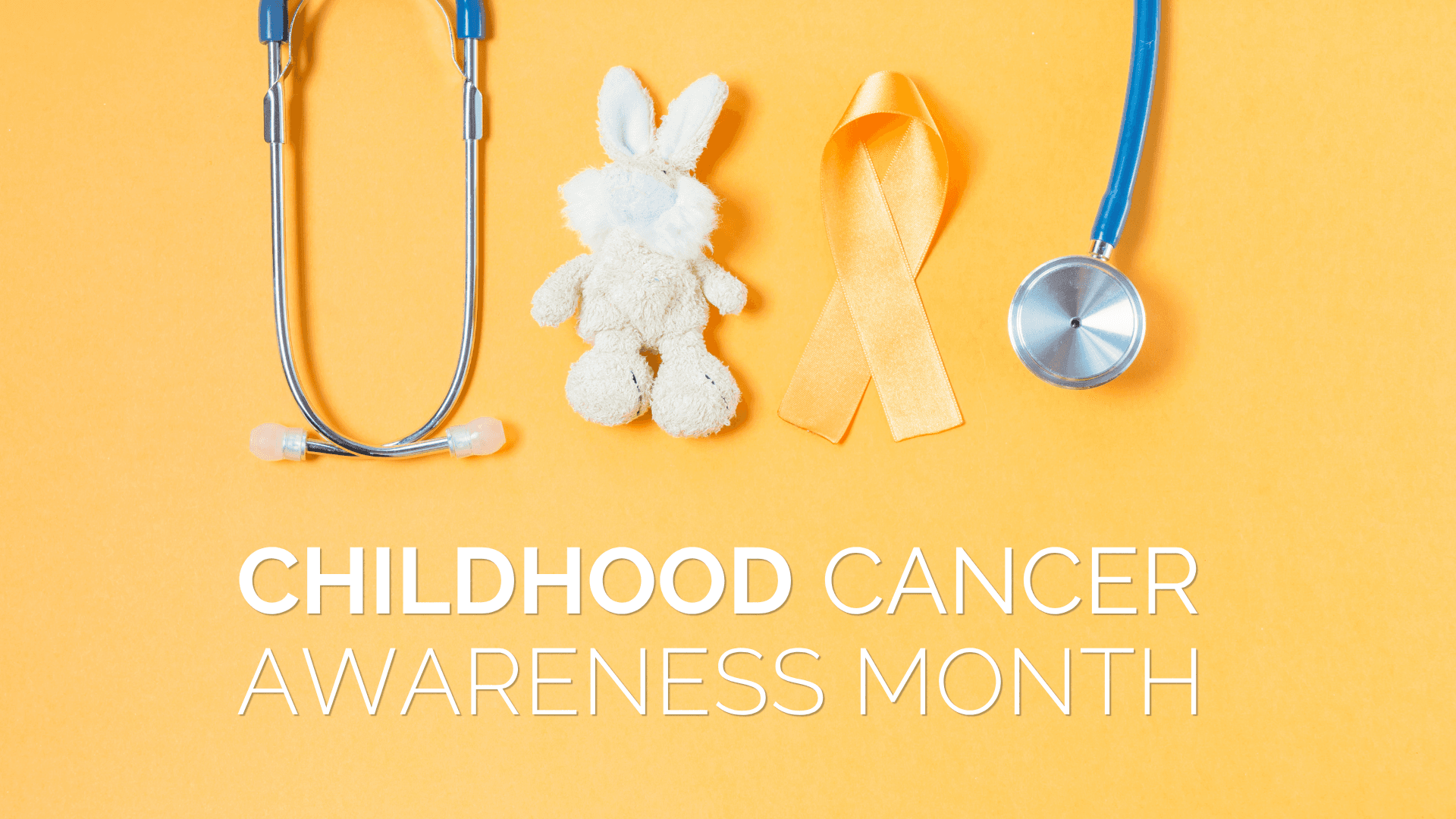
From mental health concerns to fertility preservation, adolescents and young adults with cancer require a specialized approach to treatment and survivorship care. In honor of Childhood Cancer Awareness Month, ACCC highlights a pivotal program from the University of North Carolina Lineberger Comprehensive Cancer Center and resources that meet the critical needs of these patients.

From Diagnosis to Survivorship: Understanding AML and CLL From End to End

From Diagnosis to Survivorship: Understanding AML and CLL From End to End

In recognition of Leukemia and Lymphoma Awareness Month, ACCC compiled a group of resources to help care teams navigate two of the most commonly diagnosed adult leukemias: acute myeloid leukemia and chronic lymphocytic leukemia.

Real-World Oncology Decentralized Trials - [Video Podcast] Ep. 66

August 20, 2026

The Real Cost of Cancer: Financial Toxicity, Transportation Challenges, and Access Gaps – [Video Podcast] Ep. 65

August 19, 2026

Closing the Gap in Medical Necessity Review With a Clinical Documentation Integrity Registered Nurse - [Mini Podcast] Ep. 239

August 18, 2026

Utilizing APPs to Deliver Bispecific Antibodies in the Outpatient Setting - [Mini Podcast] Ep. 238

August 7, 2026

Between the Orders and the Infusion: The Patient Experience of Bispecific Antibodies - [Podcast] Ep. 237

August 4, 2026

Gynecologic Cancer Awareness Month: Expanding Access and Improving Outcomes

Gynecologic Cancer Awareness Month: Expanding Access and Improving Outcomes

An at-home option for cervical cancer screening breaks down barriers to care and offers the same level of precision as screening in the clinic.
ACCC’s Comments on the 2026 CMS Interim Final Rule

ACCC’s Comments on the 2026 CMS Interim Final Rule

On June 1, 2026, CMS published its interim final rule (IFR), Medicaid Program; Community Engagement Requirement for Certain Individuals in the Federal Register, followed by a public comment period, during which time ACCC submitted a comment letter requesting amendments to the IFR.

View All ACCCBuzz Blogs

Join the Conversation

ACCC eXchange Digital Banner
Login