ACCC association of cancer care centers
Join/Renew
Login
Join/Renew
Login
Education & Resources
ACCC eXchange LogInSponsored Education from ACCC Corporate PartnersACCC eLearning LogInPresentations & Abstracts
Publications
Oncology IssuesPatient Assistance & Reimbursement GuideTrending Now in Cancer CareBusiness Case Studies for Hiring New Staff
Events
2026 ACCC Leadership SummitAnnual Meeting & Cancer Center Business SummitCapitol Hill DayNational Oncology ConferenceOncology Reimbursement MeetingsOncology State Society Meetings
Policy & Advocacy
ACCC 2026 Policy PrioritiesLetters & StatementsAccess, Payment & Reimbursement ReformWhite Bagging & Brown BaggingAdvocacy ResourcesCancer Moonshot
Membership
Join | RenewWho We AreMembership Types & BenefitsCorporate MembersACCC Member Portal FAQMember Directory
Partners
Oncology State SocietiesPartner OrganizationsCME
News
News ReleasesAdvocacy News ReleasesOncology News
About ACCC
Timeline / 50th Anniversary2025 Impact ReportPresident's ThemeACCC Innovator AwardsACCC FellowsBoard of TrusteesACCC Senior Staff
Breast CancerMetastatic Breast Cancer
Gastrointestinal CancerBiliary Tract CancerColorectal CancerGastric CancerLiver Cancer
Genitourinary CancerBladder CancerProstate CancerRenal Cell Carcinoma
Gynecologic Cancer
Head & Neck Cancer
Hematologic MalignanciesAcute Lymphocytic Leukemia (ALL)Acute Myeloid Leukemia (AML)Chronic Lymphocytic Leukemia (CLL)Mantle Cell Lymphoma (MCL)Multiple Myeloma (MM)Myelodysplastic Syndromes (MDS)
Lung CancerNon-Small Cell Lung Cancer (NSCLC)Small Cell Lung Cancer (SCLC)
Sarcoma
Skin CancerMelanomaNon-Melanoma Skin Cancers (NMSC)
Clinical Practice & TreatmentCancer DiagnosticsCare CoordinationEHR Integration for Biomarker TestingQuality Improvement Collaboration: Integration of Precision Medicine in Community OncologyTreatment
Financial NavigationFAN Boot CampFinancial Advocacy Network (FAN) Resource LibraryPatient Assistance & Reimbursement GuidePrior Authorization
Health Equity & Access3, 2, 1, Go! Practical Solutions for Addressing Cancer Care DisparitiesAppalachian Community Cancer AllianceOncology Advanced PractitionersPersonalizing Care for Patients of All BackgroundsSocial Drivers of Health
Patient-Centered CareAddressing Care Disparities for VeteransAdolescent and Young Adult (AYA)Care Action Plans for People with CancerDermatologic ToxicitiesEmpowering CaregiversGeriatric OncologyHealth LiteracyNutritionOncology PharmacyPatient NavigationPsychosocial Care in OncologyShared Decision-MakingSupportive CareSurvivorship Care
Practice Management & OperationsCancer Program FundamentalsLeadership Sustainment and Engagement VideosOncology Practice Transformation and Integration CenterOncology Team Resiliency
ResearchACCC Community Oncology Research Institute (ACORI)
Technology & InnovationTelehealth & Digital Medicine
ACCCBuzz Blog
CANCER BUZZ Podcast
Oncology Issues
Join/Renew
Login
Breast CancerMetastatic Breast Cancer
Gastrointestinal CancerBiliary Tract CancerColorectal CancerGastric CancerLiver Cancer
Genitourinary CancerBladder CancerProstate CancerRenal Cell Carcinoma
Gynecologic Cancer
Head & Neck Cancer
Hematologic MalignanciesAcute Lymphocytic Leukemia (ALL)Acute Myeloid Leukemia (AML)Chronic Lymphocytic Leukemia (CLL)Mantle Cell Lymphoma (MCL)Multiple Myeloma (MM)Myelodysplastic Syndromes (MDS)
Lung CancerNon-Small Cell Lung Cancer (NSCLC)Small Cell Lung Cancer (SCLC)
Sarcoma
Skin CancerMelanomaNon-Melanoma Skin Cancers (NMSC)
Clinical Practice & TreatmentCancer DiagnosticsCare CoordinationEHR Integration for Biomarker TestingQuality Improvement Collaboration: Integration of Precision Medicine in Community OncologyTreatment
Financial NavigationFAN Boot CampFinancial Advocacy Network (FAN) Resource LibraryPatient Assistance & Reimbursement GuidePrior Authorization
Health Equity & Access3, 2, 1, Go! Practical Solutions for Addressing Cancer Care DisparitiesAppalachian Community Cancer AllianceOncology Advanced PractitionersPersonalizing Care for Patients of All BackgroundsSocial Drivers of Health
Patient-Centered CareAddressing Care Disparities for VeteransAdolescent and Young Adult (AYA)Care Action Plans for People with CancerDermatologic ToxicitiesEmpowering CaregiversGeriatric OncologyHealth LiteracyNutritionOncology PharmacyPatient NavigationPsychosocial Care in OncologyShared Decision-MakingSupportive CareSurvivorship Care
Practice Management & OperationsCancer Program FundamentalsLeadership Sustainment and Engagement VideosOncology Practice Transformation and Integration CenterOncology Team Resiliency
ResearchACCC Community Oncology Research Institute (ACORI)
Technology & InnovationTelehealth & Digital Medicine
ACCCBuzz Blog
CANCER BUZZ Podcast
Oncology Issues
    • Education & Resources
    • Publications
    • Events
    • Policy & Advocacy
    • Membership
    • Partners
    • News
    • About ACCC
ACCC association of cancer care centers
5425 Wisconsin Ave #600, Chevy Chase, MD 20815
Tel: 301.984.9496 Email Us
Contact UsVolunteers
Advertise
Career Center
Terms and Conditions
Privacy Policy
ACCC Rebranding
Copyright © 2026 Association of Cancer Care Centers. All Rights Reserved.
HomeACCCBuzz Blog

NCCN Patient Advocacy Summit: Navigating the Care Continuum from Screening Through Survivorship

January 3, 2024
By Chidi Ike

For their final policy summit of 2023, the NCCN invited multidisciplinary stakeholders to Washington D.C. for a discussion focused on patients with cancer receiving comprehensive and equitable care.
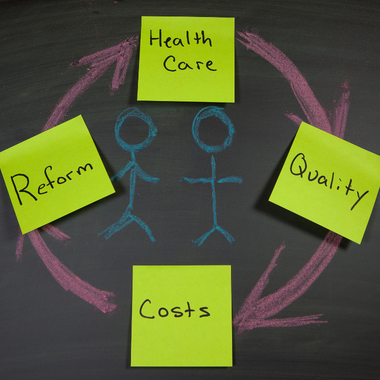
NCCN Patient Advocacy Summit: Navigating the Care Continuum from Screening Through Survivorship

This is the first blog post is on the National Comprehensive Cancer Network (NCCN) Patient Advocacy Summit: Navigating the Care Continuum from Screening Through Survivorship. This event was held virtually and in person in D.C. on Tuesday, December 5, as part of the NCCN's annual policy summit series.

For their final policy summit of 2023, the NCCN invited multidisciplinary stakeholders to Washington D.C. for a discussion focused on patients with cancer receiving comprehensive and equitable care. “Patients navigating the cancer care continuum often encounter several barriers and needs as well as issues associated with care transition, disparities across healthcare coverage and best practices in patient navigation,” said Crystal Denlinger, MD, FACP, CEO, NCCN, in delivering the summit’s opening address. “The speakers today will highlight the vital role of patient navigation and care coordination.” According to Dr. Denlinger, the issues plaguing cancer care—cost being chief among them—are far too complex to address in one day. However, she shared her hope for this meeting to serve as a springboard for health equity initiatives in 2024 and beyond.

Cancer Care in Immigrant Communities

“Today, we are going to talk about navigating social justice and equity,” said Francesca Gany, MD, MS, chief of Immigrant Health and Cancer Disparities Services for Memorial Sloan Kettering Cancer Center while delivering the summit’s keynote address. “We look at language, literacy and the digital divide, employment, housing, food security, and what it takes to establish trust.”

Dr. Gany began by highlighting the unique challenges of delivering cancer care in immigrant communities. “In New York, our foreign-born population sits at 37% and that was important to consider as we developed our patient navigation,” she said. “We have a large undocumented population, and they are often the last to come in for care, so we make sure they get screened.”

According to Dr. Gany, 50% of patients in their catchment region were struggling to make ends meet even before their cancer diagnosis. “More than 50% live below the poverty level; 14% are food insecure, and that is about the same around the country,” she explained. “Patients have to decide between coming in for treatment and feeding their family.” Of perhaps greater concern is the result of a study conducted by Dr. Gany and her team in their safety net clinic. “We found that 17% of patients with limited English proficiency did not know their own cancer diagnosis. That is—1 in 5 of our patients did not know what their cancer was, let alone be able to discuss their treatment with their providers.”

Language is a significant but underreported barrier to patients receiving cancer care. One study by the NCCN revealed linguistic disparities in cancer care access due to barriers present prior to a patient receiving an evaluation from a physician. The study found that simulated Mandarin-speaking and Spanish-speaking patient callers were provided with the next steps to access their cancer care in only 27.5% and 37.7% of the calls, respectively—remarkably less than the 93.5% of English-speaking patient callers. Given that patients with limited English proficiency remain underrepresented in cancer equity literature, additional research is needed to understand how pervasive this barrier to cancer care truly is. Dr. Gany went on to discuss another significant barrier to cancer care: food insecurity.

Food Insecurity

“More than 25% of people with cancer in the United States are food insecure,” Dr. Gany said. “This often affects people from underserved communities.” According to Dr. Gany, food insecurity leads to delays in care, reduced treatment adherence, and poorer treatment outcomes. Thus, it is it is especially important to develop strategies to tackle this issue.

“The NCCN—yay—added food insecurity on the distress survey. What is not yet known is how often we should be asking about food insecurity. We know it’s not enough to just ask on the first visit, as financial insecurity increases as care progresses,” she said. “At MSK [ Memorial Sloan Kettering Cancer Center] we ask quarterly, and we found so much food insecurity among our patients, we decided to start a food bank.” While the pantry yielded positive results, Dr. Gany said patients desired a degree of personal agency. So, the Memorial Sloan Kettering Cancer Center developed a food voucher program and established a grocery delivery service.

According to Dr. Gany, the benefits of these initiatives far outweigh the costs. The food pantry costs $63 per patient in a cohort of 12 and $52 per patient in a cohort of 50. The food voucher program costs $81 per patient per week, while the grocery delivery service costs $71 per patient. Both include weekly pantry access. “When we think about the dollars spent in cancer care in the US, and the small amount this represents commensurate to the effects, we need to think about doing this across the country,” she said.

The Digital Divide

In conclusion, Dr. Gany examined the need for cancer programs and practices around the country to address the digital divide. “MSK partnered with a tech[nology] company to refurbish and distribute devices to patients,” she said. “This partnership has provided 346 devices to patients, and we have helped 186 patients receive home internet through the Affordable Connectivity Program.” Six months following program implementation, 99% of patients reported healthcare satisfaction, while 98% reported improved provider trust, and 97% indicated they were better able to attend appointments and receive treatment. Further, there was an 80% increase in first-time patient portal users. However, perhaps it is this patient story that adequately summarizes the impact these initiatives have had on the cancer center’s patients:

RB is retired supervisor with Stage IV breast cancer, living in the Bronx. She received a laptop through the Access to Telehealth for Underserved Breast Cancer Patients program and extensive navigation on how to use her patient portal. In an email, she expressed thanks to the navigator who has worked close with her: “As I told you during the day we met, ‘You were an angel who walked into my life that day.’ I am sitting on my new laptop with all smiles and excitement. This cancer is hard to deal with, but you’ve eased some of my emotional pain.”
Related Content

Addressing the In-Between: AYAs and Multifaceted Cancer TreatmentACCCBuzz Blog

Addressing the In-Between: AYAs and Multifaceted Cancer Treatment

Jenna Pierson

September 30, 2026

From Diagnosis to Survivorship: Understanding AML and CLL From End to EndACCCBuzz Blog

From Diagnosis to Survivorship: Understanding AML and CLL From End to End

Rachel Radwan

September 28, 2026

Upcoming Events

Virtual Oncology Reimbursement Meeting (ORM) | Winter 2026

Virtual Oncology Reimbursement Meeting (ORM) | Winter 2026

Virtual December 9, 2026 at 11:00 AM EST
Register Now!
2027 ACCC Leadership Summit

2027 ACCC Leadership Summit

In Person April 22, 2027 at 6:00 PM EDTWillard InterContinental Hotel, 1401 Pennsylvania Avenue Northwest, Washington, DC, USAWashington
Register Now!
DOS 2026 Fall Conference
Oncology

DOS 2026 Fall Conference

In Person Meeting & NetworkingNovember 19, 2026 at 5:30 PM EST215 Broadway N. Fargo, ND 58102Jasper Hotel, Fargo
Register Now!
RIOS Year-End Wrap-Up
Oncology

RIOS Year-End Wrap-Up

In Person Conference & ConventionDecember 1, 2026 at 6:00 PM EST1 Bannister Street, Providence, RI, USABrown University - Brown Faculty Club , Providence
Register Now!
NOS 2027 Official SABCS Review and Hematology Update
Hematology

NOS 2027 Official SABCS Review and Hematology Update

In Person Conference & ConventionFebruary 6, 2027 at 7:00 AM PST221 N Rampart Blvd, Las Vegas, NV, USAJW Marriott Las Vegas Resort & Spa, Las Vegas
Register Now!
ESHOS 2027 Official SABCS Review
Oncology

ESHOS 2027 Official SABCS Review

In Person Meeting & NetworkingFebruary 27, 2027 at 7:00 AM EST205 Lakeshore Dr, Canandaigua, NY 14424, USAHotel Canandaigua, Tapestry Collection by Hilton, Canandaigua
Register Now!
WAHO ASH Highlights & Insights
Oncology

WAHO ASH Highlights & Insights

In Person Conference & ConventionFebruary 27, 2027 at 7:00 AM CST1 West Dayton Street, Madison, WI, USAThe Madison Concourse Hotel, Madison
Register Now!
IOS 2027 Spring Hematology Conference
Hematology

IOS 2027 Spring Hematology Conference

In Person Conference & ConventionMarch 6, 2027 at 8:00 AM CST1000 Walnut St, Des Moines, IA, USAHotel Fort Des Moines, Curio Collection by Hilton, Des Moines
Register Now!
NCOA 2027 Annual Conference
Oncology

NCOA 2027 Annual Conference

In Person Conference & ConventionMarch 6, 2027 at 12:00 PM EST201 Harrison Oaks Blvd, Cary, NC 27513, USAEmbassy Suites by Hilton Raleigh-Durham/Research Triangle, Cary
Register Now!
Advertisement
Advertisement

Trending Now on
ACCCBuzz Blog

Addressing the In-Between: AYAs and Multifaceted Cancer Treatment

Addressing the In-Between: AYAs and Multifaceted Cancer Treatment

From mental health concerns to fertility preservation, adolescents and young adults with cancer require a specialized approach to treatment and survivorship care. In honor of Childhood Cancer Awareness Month, ACCC highlights a pivotal program from the University of North Carolina Lineberger Comprehensive Cancer Center and resources that meet the critical needs of these patients.

From Diagnosis to Survivorship: Understanding AML and CLL From End to End

From Diagnosis to Survivorship: Understanding AML and CLL From End to End

In recognition of Leukemia and Lymphoma Awareness Month, ACCC compiled a group of resources to help care teams navigate two of the most commonly diagnosed adult leukemias: acute myeloid leukemia and chronic lymphocytic leukemia.

Gynecologic Cancer Awareness Month: Expanding Access and Improving Outcomes
ACCCBuzz Blog

Gynecologic Cancer Awareness Month: Expanding Access and Improving Outcomes

Jenna Pierson; Gabrielle Stearns

September 25, 2026

ACCC’s Comments on the 2026 CMS Interim Final RuleACCCBuzz Blog

ACCC’s Comments on the 2026 CMS Interim Final Rule

Rachel Radwan

September 24, 2026

Decentralized Clinical Trials in Community Oncology: Advancing Access Requires More Than TechnologyACCCBuzz Blog

Decentralized Clinical Trials in Community Oncology: Advancing Access Requires More Than Technology

September 10, 2026

Highlights From Volume 41, Number 4 Oncology IssuesACCCBuzz Blog

Highlights From Volume 41, Number 4 Oncology Issues

Gabrielle Stearns

August 20, 2026

Transforming Access to Care Through Pre-Intake NavigationACCCBuzz Blog

Transforming Access to Care Through Pre-Intake Navigation

Rachel Radwan

August 6, 2026

An APP-Led Outpatient Bispecific Antibody ClinicACCCBuzz Blog

An APP-Led Outpatient Bispecific Antibody Clinic

Rachel Radwan

August 4, 2026

Gynecologic Cancer Awareness Month: Expanding Access and Improving Outcomes

Gynecologic Cancer Awareness Month: Expanding Access and Improving Outcomes

An at-home option for cervical cancer screening breaks down barriers to care and offers the same level of precision as screening in the clinic.

ACCC’s Comments on the 2026 CMS Interim Final Rule

ACCC’s Comments on the 2026 CMS Interim Final Rule

On June 1, 2026, CMS published its interim final rule (IFR), Medicaid Program; Community Engagement Requirement for Certain Individuals in the Federal Register, followed by a public comment period, during which time ACCC submitted a comment letter requesting amendments to the IFR.

View All ACCCBuzz Blogs

Recently Heard on
CANCER BUZZ Podcast

Bringing CAR T-Cell Therapy to the Community Setting - Mini Podcast [Ep. 242]

Embedding Local Expertise in Rural Cancer Prevention - Podcast [Ep. 241]

From Reactive to Proactive: Improving Access to Cancer Care Through Pre-Intake Navigation - [Podcast] Ep. 240

Real-World Oncology Decentralized Trials - [Video Podcast] Ep. 66

View All Podcasts

Latest from Oncology Issues

August 2026
August 2026
June 2026
April 2026
February 2026
December 2025
View All Oncology Issues

Join the Conversation

ACCC eXchange Digital Banner
Login