ACCC association of cancer care centers
Join/Renew
Login
Join/Renew
Login
Education & Resources
ACCC eXchange LogInSponsored Education from ACCC Corporate PartnersACCC eLearning LogInPresentations & Abstracts
Publications
Oncology IssuesPatient Assistance & Reimbursement GuideTrending Now in Cancer CareBusiness Case Studies for Hiring New Staff
Events
2026 ACCC Leadership SummitAnnual Meeting & Cancer Center Business SummitCapitol Hill DayNational Oncology ConferenceOncology Reimbursement MeetingsOncology State Society Meetings
Policy & Advocacy
ACCC 2026 Policy PrioritiesLetters & StatementsAccess, Payment & Reimbursement ReformWhite Bagging & Brown BaggingAdvocacy ResourcesCancer Moonshot
Membership
Join | RenewWho We AreMembership Types & BenefitsCorporate MembersACCC Member Portal FAQMember Directory
Partners
Oncology State SocietiesPartner OrganizationsCME
News
News ReleasesAdvocacy News ReleasesOncology News
About ACCC
Timeline / 50th Anniversary2025 Impact ReportPresident's ThemeACCC Innovator AwardsACCC FellowsBoard of TrusteesACCC Senior Staff
Breast CancerMetastatic Breast Cancer
Gastrointestinal CancerBiliary Tract CancerColorectal CancerGastric CancerLiver Cancer
Genitourinary CancerBladder CancerProstate CancerRenal Cell Carcinoma
Gynecologic Cancer
Head & Neck Cancer
Hematologic MalignanciesAcute Lymphocytic Leukemia (ALL)Acute Myeloid Leukemia (AML)Chronic Lymphocytic Leukemia (CLL)Mantle Cell Lymphoma (MCL)Multiple Myeloma (MM)Myelodysplastic Syndromes (MDS)
Lung CancerNon-Small Cell Lung Cancer (NSCLC)Small Cell Lung Cancer (SCLC)
Sarcoma
Skin CancerMelanomaNon-Melanoma Skin Cancers (NMSC)
Clinical Practice & TreatmentCancer DiagnosticsCare CoordinationEHR Integration for Biomarker TestingQuality Improvement Collaboration: Integration of Precision Medicine in Community OncologyTreatment
Financial NavigationFAN Boot CampFinancial Advocacy Network (FAN) Resource LibraryPatient Assistance & Reimbursement GuidePrior Authorization
Health Equity & Access3, 2, 1, Go! Practical Solutions for Addressing Cancer Care DisparitiesAppalachian Community Cancer AllianceOncology Advanced PractitionersPersonalizing Care for Patients of All BackgroundsSocial Drivers of Health
Patient-Centered CareAddressing Care Disparities for VeteransAdolescent and Young Adult (AYA)Care Action Plans for People with CancerDermatologic ToxicitiesEmpowering CaregiversGeriatric OncologyHealth LiteracyNutritionOncology PharmacyPatient NavigationPsychosocial Care in OncologyShared Decision-MakingSupportive CareSurvivorship Care
Practice Management & OperationsCancer Program FundamentalsLeadership Sustainment and Engagement VideosOncology Practice Transformation and Integration CenterOncology Team Resiliency
ResearchACCC Community Oncology Research Institute (ACORI)
Technology & InnovationTelehealth & Digital Medicine
ACCCBuzz Blog
CANCER BUZZ Podcast
Oncology Issues
Join/Renew
Login
Breast CancerMetastatic Breast Cancer
Gastrointestinal CancerBiliary Tract CancerColorectal CancerGastric CancerLiver Cancer
Genitourinary CancerBladder CancerProstate CancerRenal Cell Carcinoma
Gynecologic Cancer
Head & Neck Cancer
Hematologic MalignanciesAcute Lymphocytic Leukemia (ALL)Acute Myeloid Leukemia (AML)Chronic Lymphocytic Leukemia (CLL)Mantle Cell Lymphoma (MCL)Multiple Myeloma (MM)Myelodysplastic Syndromes (MDS)
Lung CancerNon-Small Cell Lung Cancer (NSCLC)Small Cell Lung Cancer (SCLC)
Sarcoma
Skin CancerMelanomaNon-Melanoma Skin Cancers (NMSC)
Clinical Practice & TreatmentCancer DiagnosticsCare CoordinationEHR Integration for Biomarker TestingQuality Improvement Collaboration: Integration of Precision Medicine in Community OncologyTreatment
Financial NavigationFAN Boot CampFinancial Advocacy Network (FAN) Resource LibraryPatient Assistance & Reimbursement GuidePrior Authorization
Health Equity & Access3, 2, 1, Go! Practical Solutions for Addressing Cancer Care DisparitiesAppalachian Community Cancer AllianceOncology Advanced PractitionersPersonalizing Care for Patients of All BackgroundsSocial Drivers of Health
Patient-Centered CareAddressing Care Disparities for VeteransAdolescent and Young Adult (AYA)Care Action Plans for People with CancerDermatologic ToxicitiesEmpowering CaregiversGeriatric OncologyHealth LiteracyNutritionOncology PharmacyPatient NavigationPsychosocial Care in OncologyShared Decision-MakingSupportive CareSurvivorship Care
Practice Management & OperationsCancer Program FundamentalsLeadership Sustainment and Engagement VideosOncology Practice Transformation and Integration CenterOncology Team Resiliency
ResearchACCC Community Oncology Research Institute (ACORI)
Technology & InnovationTelehealth & Digital Medicine
ACCCBuzz Blog
CANCER BUZZ Podcast
Oncology Issues
    • Education & Resources
    • Publications
    • Events
    • Policy & Advocacy
    • Membership
    • Partners
    • News
    • About ACCC
ACCC association of cancer care centers
5425 Wisconsin Ave #600, Chevy Chase, MD 20815
Tel: 301.984.9496 Email Us
Contact UsVolunteers
Advertise
Career Center
Terms and Conditions
Privacy Policy
ACCC Rebranding
Copyright © 2026 Association of Cancer Care Centers. All Rights Reserved.
HomeACCCBuzz Blog

The Role of Community Partners in Serving AYA Patients

April 1, 2021
By Lilibeth Torno, MD

Poor access to care among AYA patients is not only evident in low clinical trial enrollment. The struggle to access much-needed care continues when treatment concludes. Most AYA cancer survivors must learn to navigate follow-up medical care on their own.
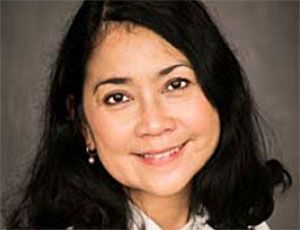
The Role of Community Partners in Serving AYA Patients

Advancements in the clinical care of children diagnosed with cancer have led to tremendously improved outcomes in recent years. Researchers estimate that more than 80 percent of current pediatric patients will become long-term childhood cancer survivors.1,2 This improvement is largely attributable to patient participation in clinical trials.


However, unlike the dramatic improvements in survival noted in young children and the elderly in recent years, survival rates among adolescent and young adult (AYA) patients with cancer (i.e., people who are diagnosed between the ages of 15 to 39 years) have plateaued. Contributing factors to this lack of progress include lower rates of AYA enrollment in clinical trials, differences in disease biology, different responses to the current standards of therapy, insurance lapses/lack of access to care, lack of screening, low suspicion for cancer, side effects and dose reductions in chemotherapy, adherence/compliance issues, and psychosocial barriers that are specific to this group of patients.3


Large national research studies have largely been unsuccessful in recruiting AYA patients with cancer, especially those from communities of color. By developing sustainable clinical trial recruitment and retention interventions for AYA patients and survivors, we can help ensure communities of color benefit equally from the treatment progress we make. Taking into account observed disparities when developing interventions to improve outcomes in at-risk subgroups is essential. For example, focusing on the disparities brought on by late-stage disease at diagnosis and by the paucity in clinical trial enrollment among AYA patients may open potential avenues for targeted interventions.


Disparities in Survivor Access to Care


Poor access to care among AYA patients is not only evident in low clinical trial enrollment. The struggle to access much-needed care continues when treatment concludes. Most AYA cancer survivors must learn to navigate follow-up medical care on their own—most likely at a time when education, employment, and familial independence are top of mind. A recent nationwide survey of cancer survivors revealed that younger and minority survivors were more likely to express concern about and had a greater number of unmet needs regarding their physical health, financial/insurance issues, and emotional/lifestyle issues.4 Non-engagement or disengagement with healthcare is especially high among marginalized groups, individuals in low socioeconomic strata, ethno-cultural racial minorities, and individuals with limited technological proficiency.5


Additional health disparities emerge for racial and ethnic minorities related to patient factors, such as misconceptions and preferences related to cancer treatment, systemic factors such as access to care, physician-patient communication and not feeling heard by care providers, and physician or systemic beliefs and biases. These factors result in higher rates of negative health outcomes for some AYA patients.


How Community-Based Organizations Help


Researchers within the cancer survivor community have suggested that interventions to remedy barriers to clinical trial enrollment and access to quality care among communities of color should include advocacy, education, and empowerment training.6 Developing clinical trial interventions through partnerships with community-based organizations (CBOs) and other groups that serve underrepresented communities may be another effective way of approaching the problem.

CBOs have demonstrated that they can play a critical role in addressing both educational and practical treatment barriers for individuals affected by a given disease.6 CBOs have a strong cultural understanding of the clients they serve, from which they can develop effective, targeted methods of communicating important health information. CBOs can also offer culturally acceptable support for the unmet psychosocial or financial needs of a given patient population.6 Exploring the role of community partners in bridging treatment gaps can be an effective way of increasing the clinical trial recruitment and retention of AYA patients in communities of color.


Numerous clinical, community, state, and federal organizations exist for childhood cancer survivors, including the CHOC Children’s After Cancer Treatment Survivorship program (ACTS), Cancer Kinships, Mental Health Services Oversight and Accountability Commission (MHSOAC), California Department of Education, and the Workforce Innovation and Opportunity Act (WIOA). These organizations help childhood and AYA cancer survivors access a wide variety of educational, clinical, and social support services regarding the long-term effects of cancer. For example, because of the WIOA, both federal and state governments fund local agencies to provide programs such as vocational rehabilitation, which provides counseling, guidance, training, job placement, and services to support job retention. Organizations such as the Public Law Center and Legal Aids of Orange County provide free legal services to low socioeconomic and marginalized groups.


Unfortunately, communities of color and low-income AYA cancer survivors consistently under-utilize these resources compared to their white and high-income counterparts, further driving health disparities. A good example of this racial divide is evident in the current COVID-19 pandemic, during which cross-cultural barriers have prevented full access to mental health and other services among minority populations, as has been historically highlighted in the literature.7,8 People do not access these programs because they are not aware of them, and the organizations that operate them often do not have the means to reach their intended audience. Nonprofit community-based organizations rely on health fairs and organizational partners to spread the news about their services in their communities. The pandemic has exposed the inherent flaws of this outreach methodology, which has left many organizations requesting no-cost extensions for many of their grants due to their inability to reach their communities.


From clinical trials to survivorship care, enabling equal access to these resources for all patients is crucial for them to receive the very best care and support. Approaching these goals through a new paradigm of healthcare through community collaborations can give AYA patients a better shot at obtaining good outcomes and quality post-treatment care.


References


1. Howlader N, Ries LA, Mariotto AB, Reichman ME, et al. Improved estimates of cancer-specific survival rates from population-based data. J Natl Cancer Inst. 2010;102(20):1584-1598.

2. Pew Research Center. Asian Americans: A Diverse and Growing Population. Available online at: https://www.pewresearch.org/topics/asian-americans/. Last accessed March 31, 2021.

3. Moke DJ, Tsai K, Hamilton AS, Hwang A, et al. Emerging cancer survival trends, disparities, and priorities in adolescents and young adults: A California cancer registry-based study. JNCI Cancer Spectrum. 2019;3(2):pkz031.

4. Ford JS, Tonorezos ES, Mertens AC, Hudson MM, et al. Barriers and facilitators of risk-based health care for adult survivors of childhood cancer: A report from the Childhood Cancer Survivor Study. 2020;126(3):619-627.

5. Barakat LP, Schwartz LA, Szabo MM, Hussey HM, et al. Factors that contribute to post-treatment follow-up care for survivors of childhood cancer. J Cancer Surviv. 2012;6(2):155-162.

6. Casillas J, Goyal A, Bryman J, Alquaddoomi F, et al. Development of a text messaging system to improve receipt of

survivorship care in adolescent and young adult survivors of childhood cancer. J Cancer Surviv. 2017;11(4):505-516.

7. Leong FTL, Kalibatseva Z. Cross-cultural barriers to mental health services in the United States. Cerebrum. 2011:5.

8. Herrick CA, Brown HN. The underutilization of mental health services by Asian-Americans residing in the United States. Issues Ment Health Nurs. 1998;19(3):225-240.


Lilibeth Torno, MD, is a children’s specialist in pediatric oncology at the Children’s Hospital of Orange County (CHOC) and the clinical director of the After Cancer Treatment Survivorship (ACTS) Program and outpatient services at the Hyundai Cancer Institute at CHOC Children’s. Dr. Torno is involved in a number of research projects in association with the Children’s Oncology Group (COG), and she is the clinical investigator in several COG bone and soft tissue cancer treatment studies. Dr. Torno is also involved in researching cancer survivorship and educating cancer survivors about the long-term impact of their cancers and treatments. To further this interest, Dr. Torno is involved in the Childhood Cancer Survivorship Study. In this multi-center study, Dr. Torno and others are looking at long-term health and quality of life in childhood cancer survivors. Dr. Torno is also in the process of developing an educational curriculum for survivors ages 15 and older. In the future, she hopes to create a curriculum for younger children.
Related Content From ACCC:
  • The In-Betweeners: A Focus on Young Adults with Cancer
  • 2019 ACCC Innovator Award Winner: Telemedicine Improves Access to Supportive Group Psychotherapy for Young Adults with Cancer
  • Life, Interrupted: One AYA Patient's Cancer Journey
  • Improving Fertility Preservation Discussions for Adolescent and Young Adult Male Oncology Patients

Related Content

Decentralized Clinical Trials in Community Oncology: Advancing Access Requires More Than TechnologyACCCBuzz Blog

Decentralized Clinical Trials in Community Oncology: Advancing Access Requires More Than Technology

September 10, 2026

Highlights From Volume 41, Number 4 Oncology IssuesACCCBuzz Blog

Highlights From Volume 41, Number 4 Oncology Issues

Gabrielle Stearns

August 20, 2026

Transforming Access to Care Through Pre-Intake Navigation

Upcoming Events

ACCC 43rd National Oncology Conference

ACCC 43rd National Oncology Conference

In Person October 21, 2026 at 8:00 AM EDT450 Summer St, Boston, MA 02210, USAOmni Boston Hotel at the Seaport, Boston
Register Now!
ACCC Oncology Reimbursement Meeting | Reno

ACCC Oncology Reimbursement Meeting | Reno

In Person November 4, 2026 at 8:00 AM EST255 North Virginia Street, Reno, NV, USAWhitney Peak Hotel Reno, Tapestry Collection by Hilton,
Register Now!
ACCC Oncology Reimbursement Meeting | Providence

ACCC Oncology Reimbursement Meeting | Providence

In Person November 10, 2026 at 8:00 AM EST5 Avenue of the Arts, Providence, RI, USARenaissance Providence Downtown Hotel,
Register Now!
TxSCO 2026 Annual Conference
Oncology

TxSCO 2026 Annual Conference

In Person Conference & ConventionSeptember 18, 2026 at 6:00 PM CDT501 Gaylord Trail, Grapevine, TX, USAGaylord Texan Resort & Convention Center, Grapevine
Register Now!
KYSCO 2026 Fall Oncology Review
Oncology

KYSCO 2026 Fall Oncology Review

In Person Conference & ConventionSeptember 19, 2026 at 7:00 AM EDT500 S 4th St, Louisville, KY, USAThe Seelbach Hilton Louisville, Louisville
Register Now!
ESHOS Horizons 2026
Oncology

ESHOS Horizons 2026

In Person Conference & ConventionSeptember 19, 2026 at 7:30 AM EDT1 Liberty Street, New York, NY, USAConvene at One Liberty Plaza, New York
Register Now!
MSOS 2026 Bozeman Meeting
Oncology

MSOS 2026 Bozeman Meeting

In Person Meeting & NetworkingSeptember 22, 2026 at 5:30 PM EDT5 W Mendenhall St suite 102, Bozeman, MT 59715, USA Urban Kitchen, Bozeman
Register Now!
MSCO 2026 Fall Conference
Oncology

MSCO 2026 Fall Conference

In Person Conference & ConventionSeptember 22, 2026 at 5:00 PM CDT1500 Park Pl Blvd, Minneapolis, MN, USADoubleTree by Hilton Hotel Minneapolis - Park Place, Minneapolis
Register Now!
HSCO 2026 September Dinner Symposium
Oncology

HSCO 2026 September Dinner Symposium

In Person Conference & ConventionSeptember 23, 2026 at 5:30 PM HST3660 Waialae Ave, Honolulu, HI, USA3660 On The Rise, Honolulu
Register Now!
RIOS Fall Meeting
Oncology

RIOS Fall Meeting

In Person Conference & ConventionSeptember 25, 2026 at 5:30 PM EDT139 Mathewson Street, Providence, RI, USAHotel Providence, Providence
Register Now!
Advertisement
Advertisement

Trending Now on
ACCCBuzz Blog

Decentralized Clinical Trials in Community Oncology: Advancing Access Requires More Than Technology

Decentralized Clinical Trials in Community Oncology: Advancing Access Requires More Than Technology

Decentralized clinical trial approaches, including remote consent, telehealth, local laboratory and imaging services, and more, can help reduce some of the many barriers that prevent eligible patients from participating in trials. But as the participants in ACCC’s Advancing Decentralized Clinical Trials in the Community Setting Roundtable Series emphasized, implementing DCT elements is not simply a matter of adopting new technology. Doing so successfully requires thoughtful workflows and oversight structures that consider equity, scalability, and sustainability.

Highlights From Volume 41, Number 4 Oncology Issues

Highlights From Volume 41, Number 4 Oncology Issues

From precision medicine to psychosocial care to navigation for a diverse population, the latest issue Oncology Issues brings insights into not just institutional and administrative barriers to treatment, but areas of care that directly impact the lived experience of those navigating the cancer care continuum.

ACCCBuzz Blog

Transforming Access to Care Through Pre-Intake Navigation

Rachel Radwan

August 6, 2026

An APP-Led Outpatient Bispecific Antibody ClinicACCCBuzz Blog

An APP-Led Outpatient Bispecific Antibody Clinic

Rachel Radwan

August 4, 2026

Advancing Critical Priorities at the State Level: Louisiana, Iowa, and Washington Awarded for Their Efforts at 2026 ASCO Annual MeetingACCCBuzz Blog

Advancing Critical Priorities at the State Level: Louisiana, Iowa, and Washington Awarded for Their Efforts at 2026 ASCO Annual Meeting

Rachel Radwan

July 29, 2026

Designing a Safe, Fully Outpatient CAR T-Cell Program in the CommunityACCCBuzz Blog

Designing a Safe, Fully Outpatient CAR T-Cell Program in the Community

Rachel Radwan

July 27, 2026

Local Staff, Lasting Impact: A New Model for Rural Cancer PreventionACCCBuzz Blog

Local Staff, Lasting Impact: A New Model for Rural Cancer Prevention

Rachel Radwan

July 16, 2026

A Pharmacist-Led Strategy to Improve Care With Oncolytic Virus TreatmentsACCCBuzz Blog

A Pharmacist-Led Strategy to Improve Care With Oncolytic Virus Treatments

Rachel Radwan

July 14, 2026

Transforming Access to Care Through Pre-Intake Navigation

Transforming Access to Care Through Pre-Intake Navigation

The University of Texas MD Anderson Cancer Center in Houston, Texas, developed a novel Pre-Intake Navigation (PIN) program, which identifies and resolves early financial and insurance barriers, enabling patients to access timely, high-quality cancer care with less anxiety and fewer delays. PIN shifts financial navigation from a late-stage, reactive task to an early, standardized, patient‑centered process embedded in the call center workflow.

An APP-Led Outpatient Bispecific Antibody Clinic

An APP-Led Outpatient Bispecific Antibody Clinic

Understanding both the benefits to be had from offering BsAb therapy to its community and the scope of this undertaking, Vanderbilt-Ingram Cancer Center took a novel approach with its APP-led BsAb step-up dosing clinic, which won the program a 2026 ACCC Innovator Award.

View All ACCCBuzz Blogs

Recently Heard on
CANCER BUZZ Podcast

Embedding Local Expertise in Rural Cancer Prevention - Podcast [Ep. 241]

From Reactive to Proactive: Improving Access to Cancer Care Through Pre-Intake Navigation - [Podcast] Ep. 240

Real-World Oncology Decentralized Trials - [Video Podcast] Ep. 66

The Real Cost of Cancer: Financial Toxicity, Transportation Challenges, and Access Gaps – [Video Podcast] Ep. 65

View All Podcasts

Latest from Oncology Issues

August 2026
August 2026
June 2026
April 2026
February 2026
December 2025
View All Oncology Issues

Join the Conversation

ACCC eXchange Digital Banner
Login