In the rapidly advancing field of immuno-oncology, T-cell redirecting bispecific antibodies—engineered to simultaneously bind 2 different antigens—are an innovative and emerging platform in cancer immunotherapy.¹ The application of bispecific antibodies may soon expand beyond hematologic malignancies to treat solid tumors, including small cell lung, prostate, and gastrointestinal cancers. As the use of bispecific antibodies continues to expand, addressing barriers such as treatment-related toxicities and other practical considerations is essential for their successful implementation in community cancer care.
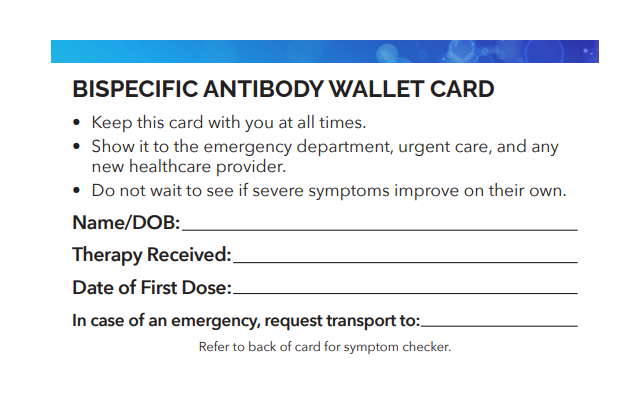
Use the Bispecific Antibody Wallet Card to keep important treatment and emergency information readily available. The card includes space to record the patient’s therapy and first dose date, instructions for healthcare providers, and a symptom checker outlining when to contact the oncology team or seek emergency care.
Explore a quick guide developed to support the operationalization of bispecific antibodies (BsAbs) in the community oncology setting. Receive suggestions for how each member of the multidisciplinary care team can be involved in building organizational capacity to treat eligible patients with BsAbs.
Successful implementation of bispecific therapies requires teams to understand and manage treatment-related toxicities. In this webinar, explore practical strategies for CRS management, review evolving dosing and response patterns, and receive guidance for safely integrating BsAbs into clinical practice.
ACCC and SITC gathered experts Allison Betof Warner, MD, PhD, of Stanford University School of Medicine; Syed Haider, MD, of Aurora St. Luke's Medical Center; and Robert Richards, MS, MBA, of Penn Medicine, to review the 3 areas of focus: Education, Coordination, and Facilitation in the Expanding Access to Cellular and Bispecific Therapies Report.
This educational recording reviews the basics of bispecific antibodies, their clinical applications, and FDA-approved treatments. It also provides practical strategies for managing adverse events, patient education and the financial and operational factors essential for successful integration into clinical practice.
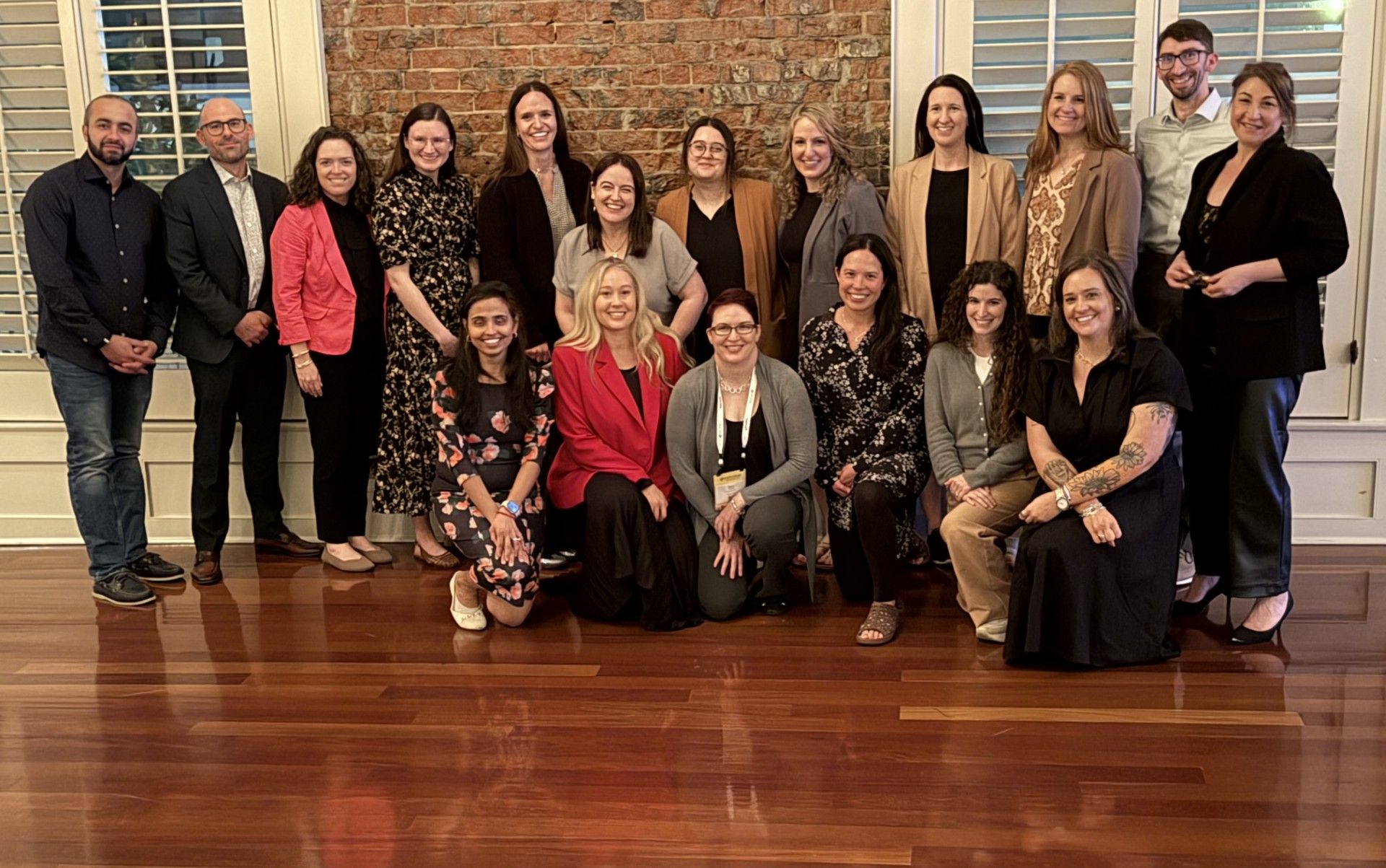
During the HOPA 2026 annual conference, ACCC brought together a small group of oncology pharmacists for a practical, candid conversation about challenges with the implementation of bispecific antibodies that was deeply grounded in real-world experience and what it takes to operationalize care.

ACCC is committed to helping cancer care team members, patients, and caregivers understand how bispecific antibody treatments fit within the cancer care continuum, how they differ from CAR T-cell therapy, and the education and resources available to patients and their families.
In this episode, CANCER BUZZ speaks with Laura Kuzma, MSW, admin administrative director of FirstHealth Cancer Center and Oncology Services at FirstHealth Moore Regional Hospital, about the real-world lessons she has learned about governance considerations, ramp-up strategies, and workflows. She shares the importance of proactively building workflows, readiness plans, and cross-team communication pathways to safely operationalize BsAb therapy.
Learn about the latest promising breakthroughs in immunotherapy, the challenges facing their widespread use, and what your cancer team needs to know about the future of cancer treatment.
Explore insights gained from a landscape analysis and focus group discussions detailing how community oncology programs can address barriers, build capacity, raise awareness, and embrace collaboration to integrate BsAb therapy into clinical practice.
Read an overview of bispecific antibodies (BsAbs) and the results of an ACCC survey of multidisciplinary providers which assessed their understanding of—and readiness for—using BsAbs in the treatment of patients with cancer.
Read this comprehensive guide developed between the Society for Immunotherapy of Cancer (SITC) and the ACCC for best practices and strategies to implement a sustainable immunotherapy program.
Community cancer providers may use this checklist whether their program is referring patients to academic centers or treating patients in-house. Refer to the section of the checklist that is pertinent to your situation.